Apple's $2,000 Foldable Isn't a Price. It's a Statement.
Gurman's number for the foldable iPhone Ultra isn't just a data point — it's Apple telling you exactly who this phone is for.
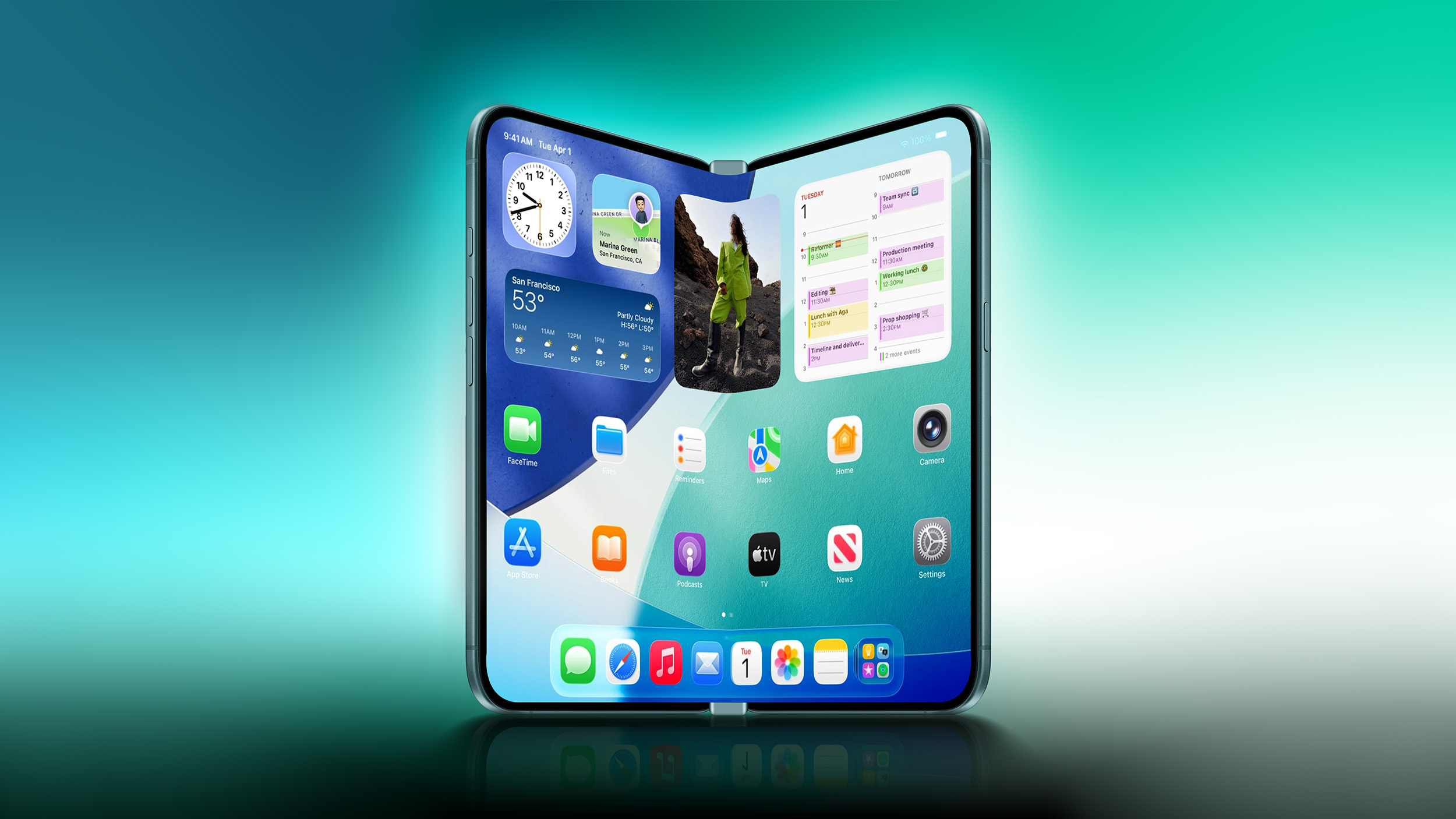
Two thousand dollars is not a price. It's a filter.
Mark Gurman, via MacRumors, is reporting that Apple's foldable iPhone — almost certainly landing as the iPhone Ultra — will cross the $2,000 threshold. Whether that's the floor or just where the storage configs start climbing doesn't really matter. The number is out there now, and it's doing exactly what Apple intended it to do.
It's separating people.
The Ceiling Test
Apple has been inching toward this moment for years. The Pro Max already sits at $1,199 base. The fully loaded iPhone 17 Pro Max touches $1,999. So $2,000-plus for a foldable isn't a leap — it's a step. A deliberate, calculated step over a psychological line that Apple has been approaching with the patience of a company that knows it can.
The question worth asking isn't whether Apple can charge this. It obviously can. The question is what it reveals about the strategy.
Foldables have existed for years. Samsung has been iterating on the Galaxy Z Fold since 2019. Google entered with the Pixel Fold. Neither broke through. Both were expensive, both were niche, both were treated — even by their fans — as interesting experiments rather than the phone. Apple watched all of this. It saw the category prove itself technically and fail commercially. And now it's arriving late, on purpose, with a price that signals it has no interest in competing for the curious. It wants the convinced.
That's a different product than what Samsung built. Samsung's foldable was an argument. Apple's will be a conclusion.
What $2,000 Actually Buys
The honest version of this story is that nobody knows yet what the iPhone Ultra delivers for that number. The form factor is the obvious headline — a phone that unfolds into something closer to a small tablet. But form factor alone doesn't hold a $2,000 price for long. The Galaxy Fold taught us that.
What Apple will need to justify this is the thing it's actually good at: making the hardware and software feel like one decision, not two. The hinge has to disappear. The crease — the foldable industry's persistent embarrassment — has to be genuinely unnoticeable. The camera system has to be Pro Max-grade or better. And the software has to make the larger canvas feel inevitable, not optional.
If it does those things, $2,000 looks reasonable in about eighteen months. If it doesn't, no amount of Ultra branding saves it.
There's also the matter of that name. Ultra is doing real work here. Apple already uses Pro and Pro Max. Ultra lives above both — it's the M-series chip tier, the Apple Watch tier, the tier reserved for things Apple wants you to treat as categorically different. Attaching it to the foldable isn't just marketing. It's a promise about where this device sits in the lineup permanently. This isn't a one-cycle experiment. Apple is building a franchise.
The watch press spent years wondering when Apple would make a truly aspirational object. Turns out it was always going to be the phone.
Two thousand dollars is the price of admission. Whether the show is worth it is the only thing left to find out.
Keep reading tech.
Hide My Email Has Been Showing Your Email
Apple's privacy flagship has a hole in it. They've known for over a year.

Sony Killed the Disc. Sony Is Also Killing the Store.
Two announcements, one company, and a quiet admission that "ownership" was always their word to define.

Apple Went to the Highest Court It Could Find. That Tells You Everything.
When a contempt ruling sends you to the Supreme Court, you're not defending a policy anymore — you're defending a worldview.
From the other desks.

800 Horsepower, One Ton of Doubt
Lamborghini built the most powerful SUV it's ever made. It's also slower than what it replaced.
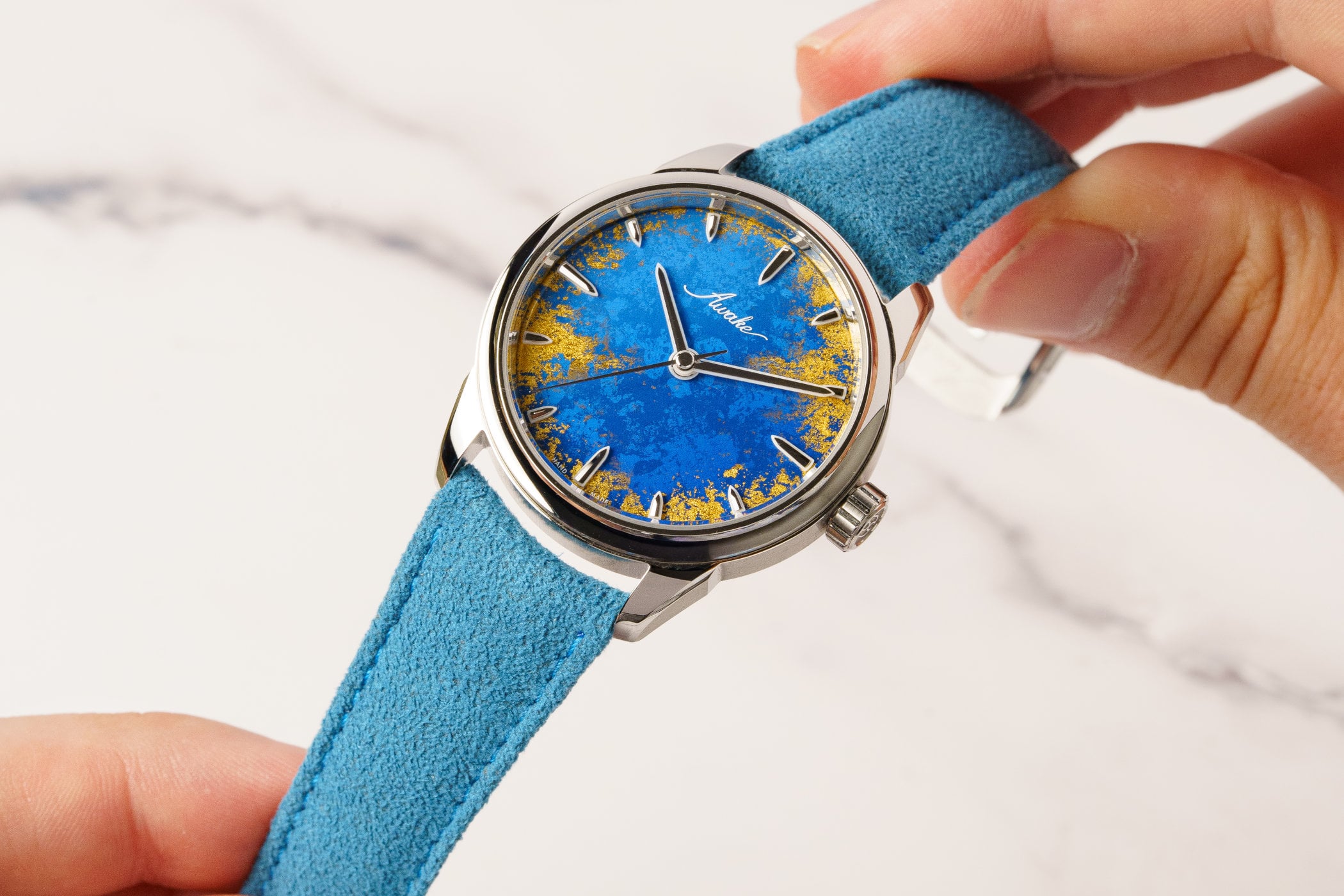
Gold Leaf on a Lacquer Dial, and the Weight of What That Costs
Awake's Frosted Leaf Royal Blue asks a question Vietnamese craft has never quite had to answer at this price.
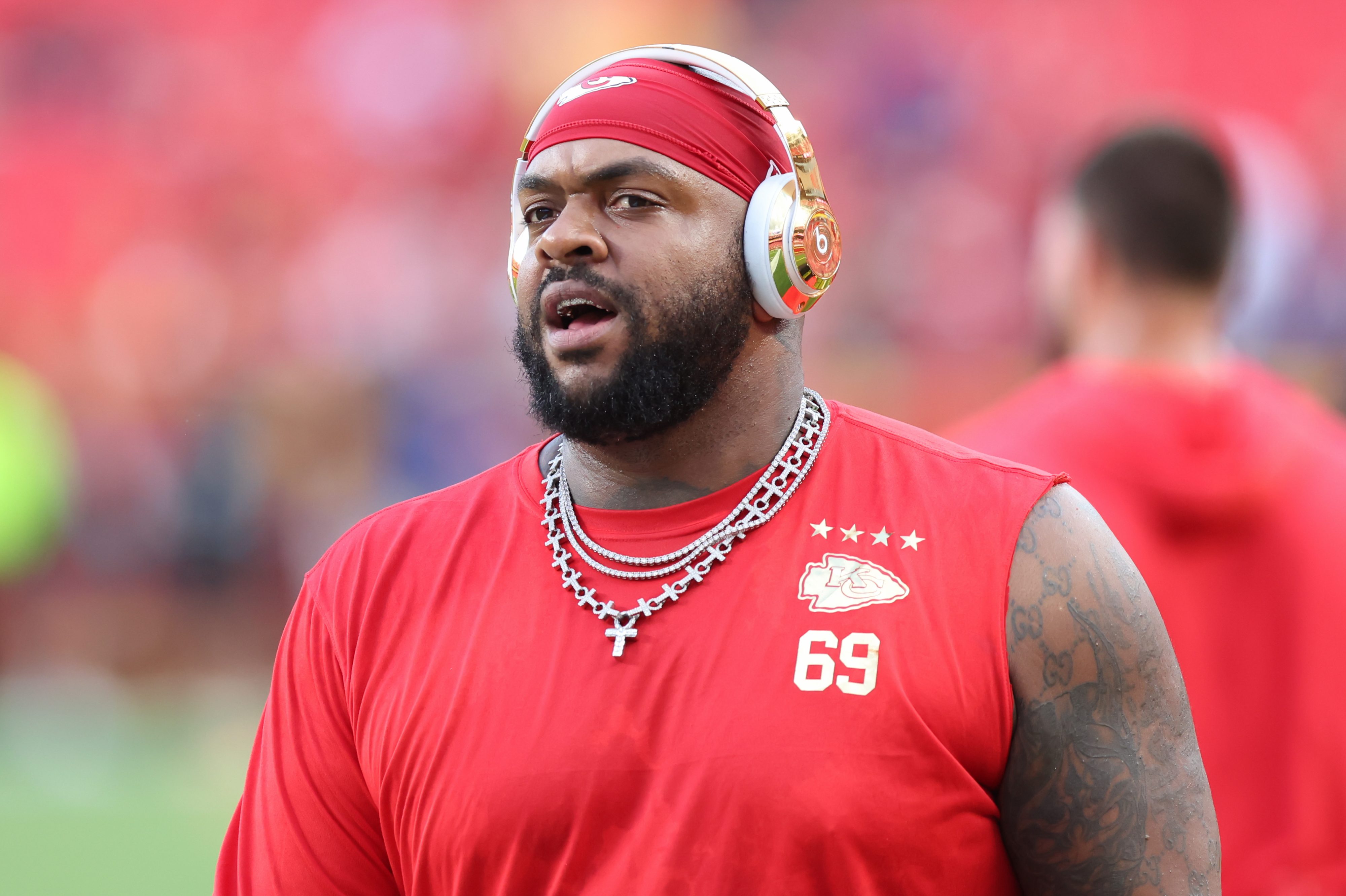
ESPN Named Him. Then Unnamed Him. Nobody's Explaining the Gap.
A retraction without a reckoning is just a deleted link.