The Car That Refuses to Lose
Most hypercars are investments in the sense that a bonfire is an investment — spectacular, then gone. Pagani figured out something different.
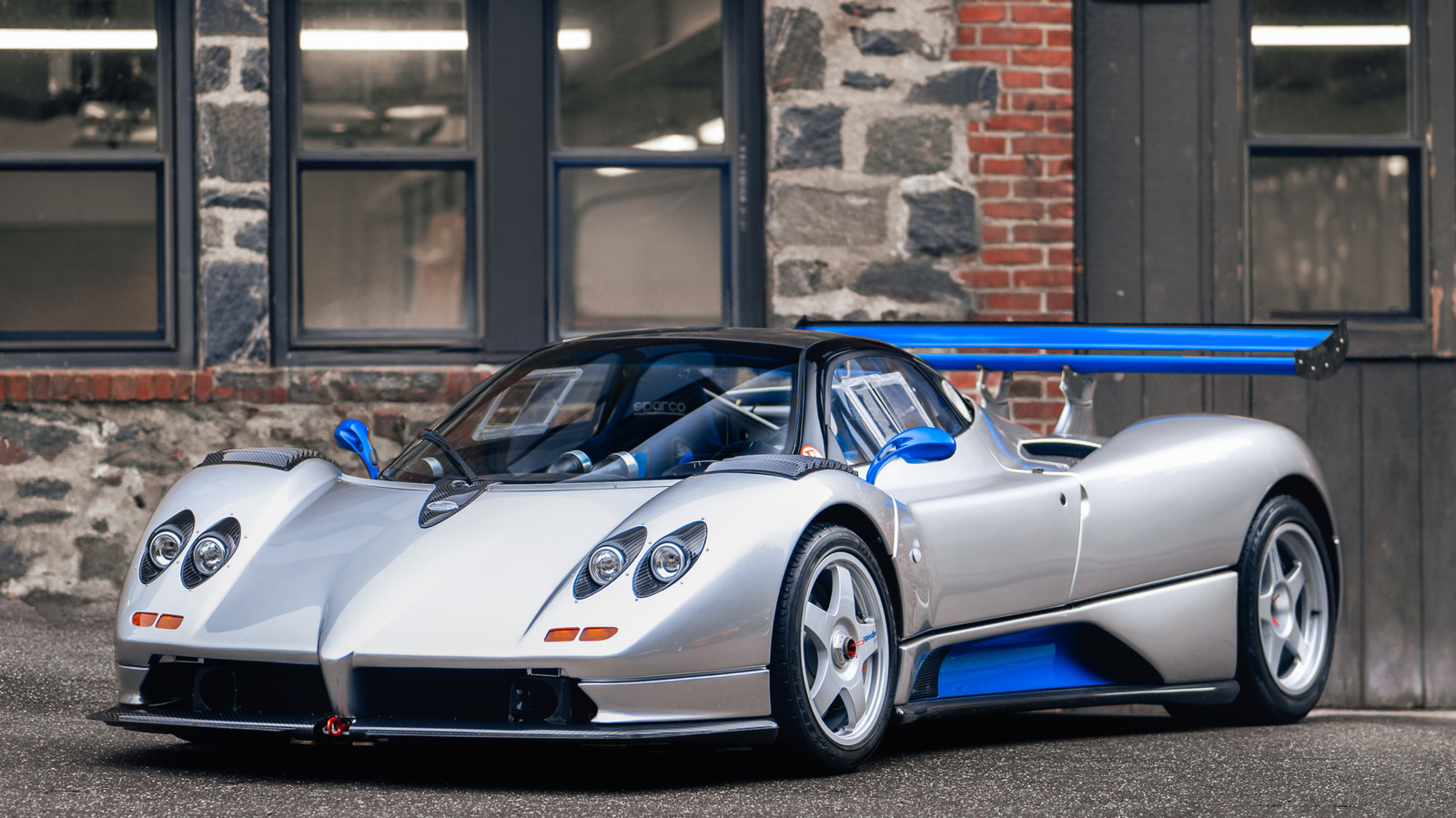
There's a version of this story where I tell you about depreciation curves and auction records and percentage gains since delivery. That version exists. It's accurate. It's also missing the point.
The point is that Horacio Pagani built something so singular that the market doesn't know how to price it down.
Most cars — even the expensive, rare, supposedly collectible ones — follow a familiar arc. They peak at launch, slide in the first few years while the hype metabolizes, then either stabilize or keep falling depending on whether anyone still cares. The hypercar market is littered with examples. Cars that cost half a million new and found their floor somewhere embarrassing. Cars that were supposed to be the next great thing and turned out to be the next cautionary tale.
Pagani doesn't do that.
What Actually Happens
When a Zonda or a Huayra changes hands, it tends to go for more than it left the factory for. Sometimes meaningfully more. This isn't a rumor passed around at concours events — it's a pattern that's held across models and across decades. The cars appreciate. Not always, not guaranteed, but consistently enough that people who bought them as drivers ended up with assets.
The reasons aren't mysterious once you look at them clearly. Production numbers are genuinely small — not artificially small, not marketing-small, but actually small. Pagani is a workshop, not a factory. Every car is built by hand in a way that makes that phrase mean something. The waiting list is real. The customization is real. No two cars are identical in a way that matters to the people who care about these things.
And then there's the thing that's harder to quantify: Pagani builds cars that feel irreplaceable. Not because they're the fastest. Not because they're the most technologically advanced. Because they feel like they came from one person's obsession rather than a committee's consensus. You can feel the handwriting in them.
The Flex That Compounds
Here's what makes Pagani unusual in the hypercar world: the people who buy them tend to actually use them. These aren't warehouse queens. They show up at events. They get driven. The ownership community is small enough to be real — people know each other, know the cars, know the history of specific chassis.
That culture protects value in ways that pure scarcity can't. A rare car nobody cares about is just an expensive thing to store. A rare car with a living, breathing community around it is something else. It has gravity.
So when someone buys a Pagani, they're buying into something with a track record. Not just of performance or craftsmanship, but of holding. The car earns its keep in a way that almost nothing else at that price point manages to do.
What This Actually Means
I'm not telling you to buy a Pagani as an investment. That's not the right frame. The people who've done best with these cars bought them because they wanted them — because the carbon fiber and the titanium and the engine note and the sheer audacity of the thing spoke to something in them that had nothing to do with balance sheets.
The appreciation was the bonus. The car was the reason.
That's actually the lesson here, and it applies well beyond hypercars. The things that hold their value tend to be the things that were made with genuine conviction — not to hit a market, not to satisfy a trend, but because someone believed in them completely. You can feel that in a Pagani the same way you can feel it in a watch that took three years to make or a jacket that's been resoled twice.
Conviction is durable. Hype isn't.
Horacio Pagani has been building the same car for thirty years, just better each time, and the world keeps deciding it's worth more than it was before. That's not a depreciation story. That's a belief system with a combustion engine.
Keep reading cars.

800 Horsepower, One Ton of Doubt
Lamborghini built the most powerful SUV it's ever made. It's also slower than what it replaced.

£11,990 Draws a Line Under Every Excuse You Had Left
Dacia just made the cheapest new car in Britain electric — and that's not a footnote, it's a verdict.
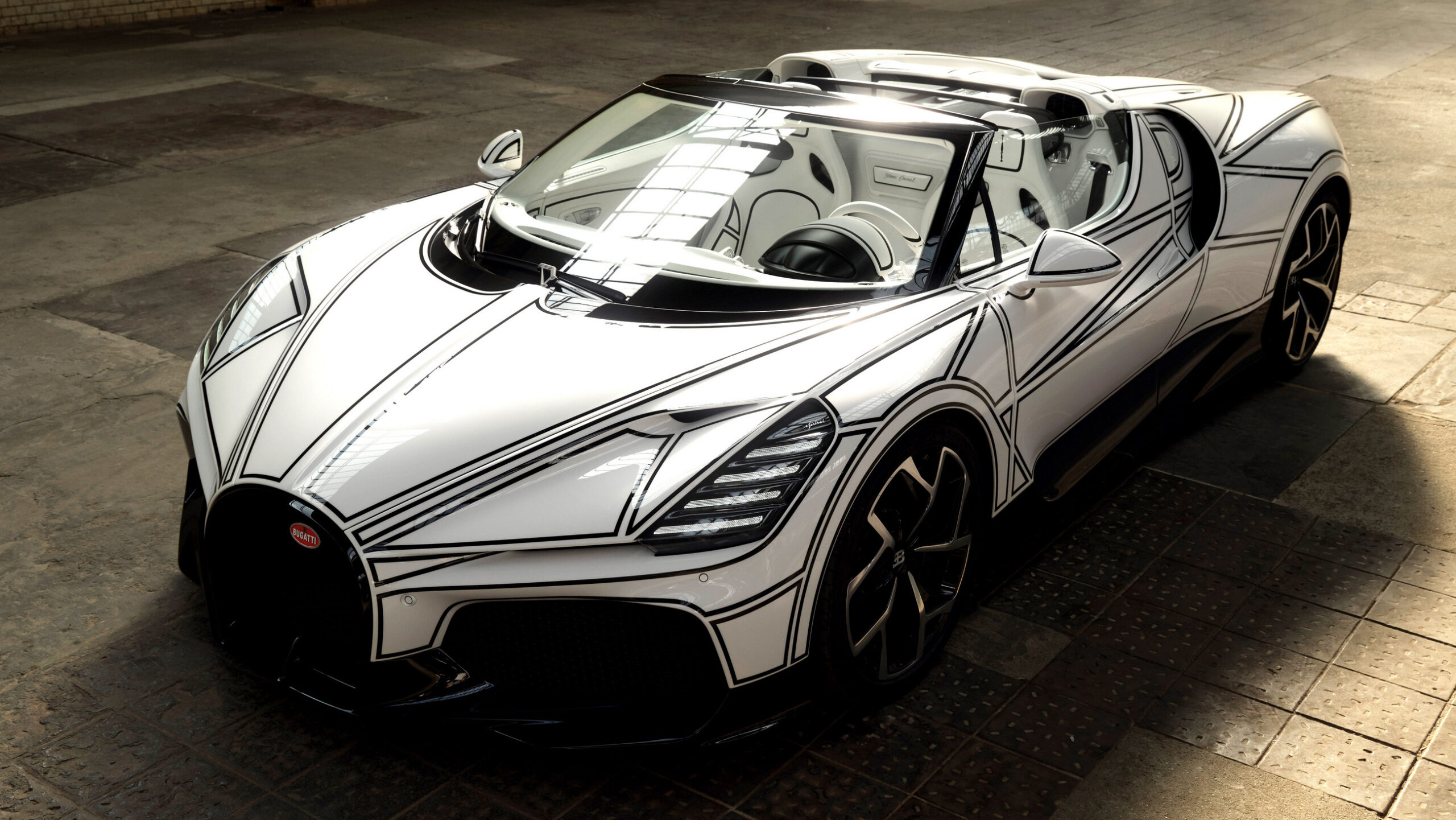
Blanc Éternel Hides Its Speed Behind a Gas Cap
Bugatti built a 261-mph roadster and made sure you'd notice the porcelain first.
From the other desks.

Gold Leaf on a Lacquer Dial, and the Weight of What That Costs
Awake's Frosted Leaf Royal Blue asks a question Vietnamese craft has never quite had to answer at this price.

ESPN Named Him. Then Unnamed Him. Nobody's Explaining the Gap.
A retraction without a reckoning is just a deleted link.

Hide My Email Has Been Showing Your Email
Apple's privacy flagship has a hole in it. They've known for over a year.