Apple Keeps Shipping Hardware. OpenAI Keeps Hiring the People Who Know How.
Paul Meade ran Apple's Vision Pro and smart glasses program for years. Now he's building AI devices for the competition.
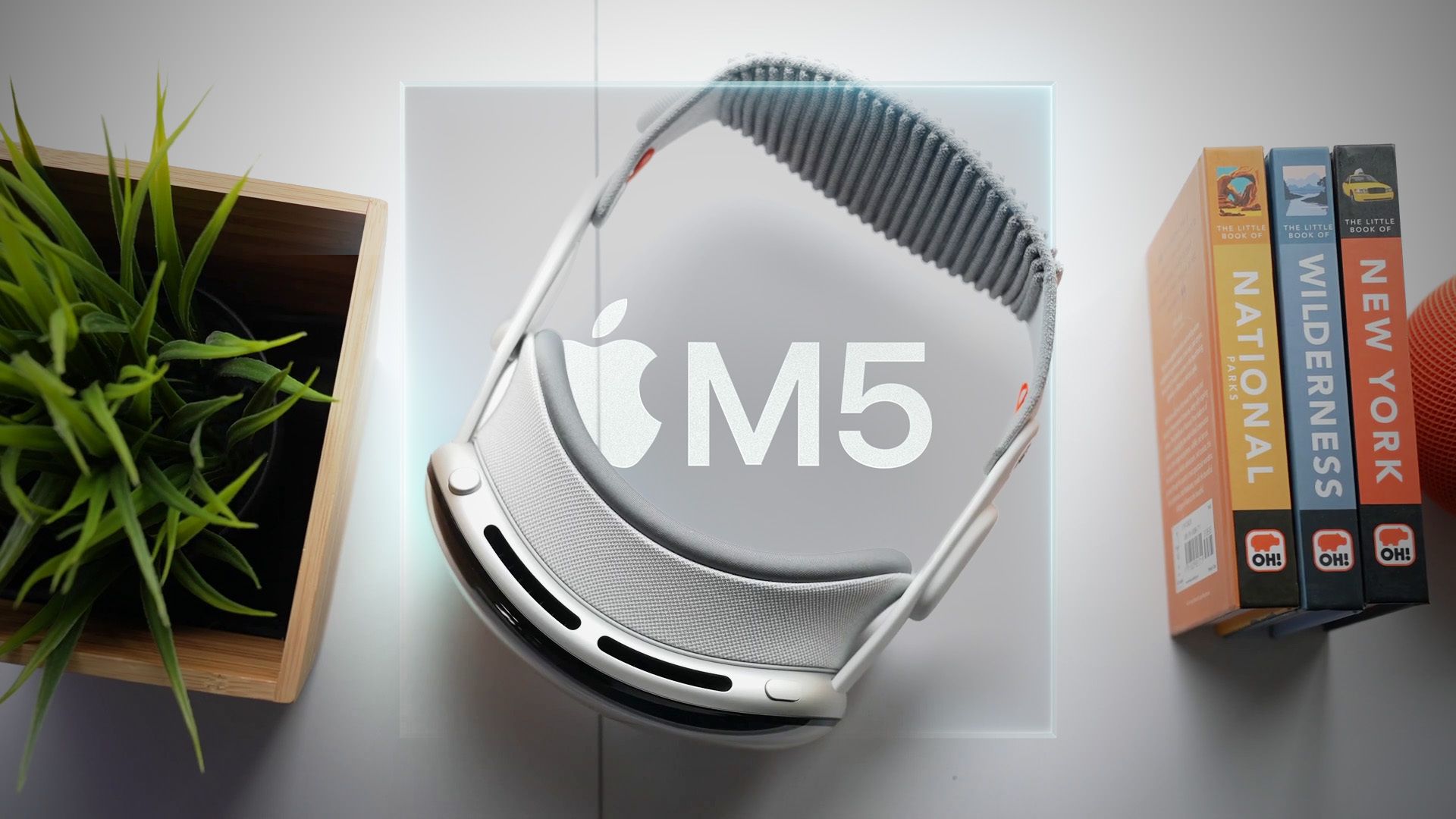
There's a version of this story where it's just a résumé update. Senior executive leaves after a long run, takes a new role, the org chart gets reshuffled, life goes on. Apple has survived departures before. It will survive this one.
But that's not really the story.
The Person Matters
Paul Meade wasn't a peripheral figure. According to reporting from Bloomberg, cited by both MacRumors and Engadget, Meade stepped into leadership of Apple's Vision Products Group after the previous chief moved over to oversee Siri's AI overhaul. Before that, he was running Vision Pro hardware engineering. Before that, he was on iPad and iPhone. He joined Apple in 2010 and had been working in the Vision Products Group since 2017. That's not a guy who wandered in from a competitor and wandered back out. That's institutional knowledge, accumulated over years, on the exact hardware category Apple is betting its next decade on.
And now he's leaving — reportedly by next week — to join OpenAI's hardware unit and work on AI devices.
Fletcher Rothkopf, who leads product design for Vision Pro and smart glasses, is reportedly taking over. Maybe Rothkopf is exceptional. Maybe this transition is smoother than it looks from the outside. But the optics of losing the person running your most speculative, most expensive, most symbolically loaded hardware project — to the company that currently owns the cultural conversation about what AI can be — those optics don't get better with a successor announcement.
What OpenAI Is Actually Building
This is the part worth sitting with. OpenAI isn't poaching a Vision Pro exec because they want to understand headsets. They're building a hardware division. They want to put AI into physical objects. The exact territory Apple has been trying to claim.
Apple spent years and enormous resources developing Vision Pro. The device exists. It's real. It costs thousands of dollars and it asks a lot of the people who wear it. The question the market has been quietly asking is whether Apple can iterate fast enough — and whether the internal conviction is there to see it through.
When your Vision Pro chief leaves to go build AI hardware somewhere else, that question gets louder.
This isn't the first Apple executive to land at OpenAI, either. The pattern is becoming visible enough that you can't attribute it to coincidence or better compensation packages alone. Something is pulling people toward that company — toward the sense, maybe, that the most consequential hardware problems are being defined there right now, not in Cupertino.
Apple has always been the place where hardware and software meet with intention. That reputation is real and it was earned. But OpenAI is now recruiting on the premise that the next great hardware challenge is theirs to define — and they're finding takers inside the one company that used to be the only answer to that pitch.
The Vision Pro still ships. The smart glasses are still in development. The org chart will be updated. But the person who understood both, deeply, just decided his next chapter belongs somewhere else — and that's not a footnote.
Keep reading tech.

Hide My Email Has Been Showing Your Email
Apple's privacy flagship has a hole in it. They've known for over a year.

Sony Killed the Disc. Sony Is Also Killing the Store.
Two announcements, one company, and a quiet admission that "ownership" was always their word to define.
Apple Went to the Highest Court It Could Find. That Tells You Everything.
When a contempt ruling sends you to the Supreme Court, you're not defending a policy anymore — you're defending a worldview.
From the other desks.

800 Horsepower, One Ton of Doubt
Lamborghini built the most powerful SUV it's ever made. It's also slower than what it replaced.

Gold Leaf on a Lacquer Dial, and the Weight of What That Costs
Awake's Frosted Leaf Royal Blue asks a question Vietnamese craft has never quite had to answer at this price.

ESPN Named Him. Then Unnamed Him. Nobody's Explaining the Gap.
A retraction without a reckoning is just a deleted link.