Apple Maps Blinked
Ads are coming to Apple Maps this summer, and the search bar was never really yours.
There's a version of Apple's brand promise that goes something like: we charge more so we don't have to sell you. That promise just got a little smaller.
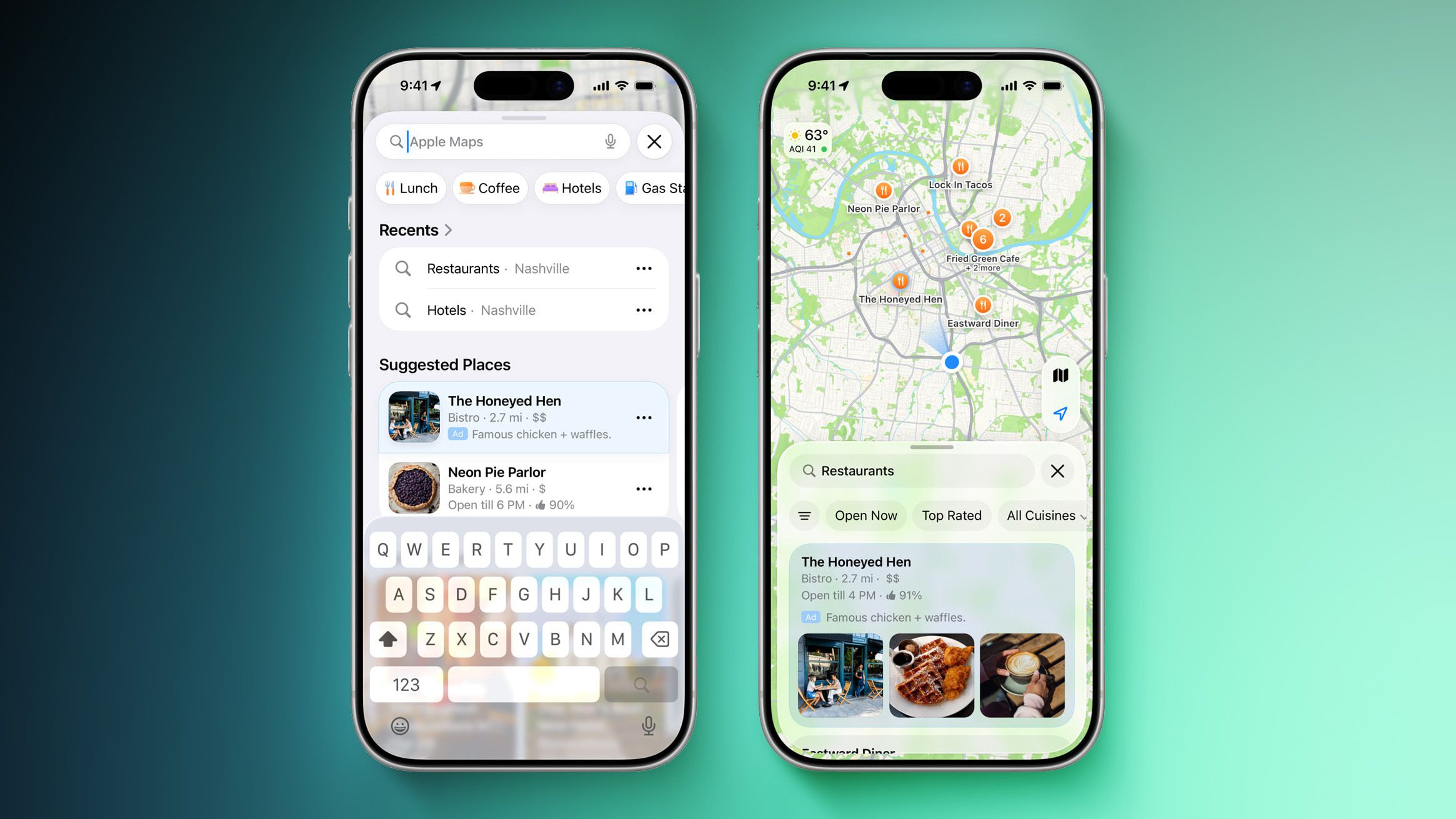
According to coverage at MacRumors, Apple is rolling out ads in Apple Maps as early as this summer. Signs of them have already appeared in the iOS 26.5 beta. The placement isn't subtle — ads will surface in the search interface, appearing first in results depending on what you're looking for. There's also a new Suggested Places feature coming, which recommends locations based on trending spots nearby and the user's recent searches. Ads will appear there too.
And there's no opt-out.
The Search Bar Was Always the Asset
Here's the thing nobody wants to say plainly: a navigation app is a search engine with a map attached. The moment you type something into that bar — a restaurant, a gas station, a hotel — you've generated intent data with a physical address attached. That's not a feature. That's inventory.
Apple knew this. They just waited long enough to say it out loud.
The comparison to App Store ads is instructive. The MacRumors piece notes that the Maps ads will work similarly — no way to turn them off, just part of the landscape now. App Store search ads have been around long enough that most users have stopped noticing them, which is exactly the point. Friction becomes wallpaper. Wallpaper generates revenue. Revenue becomes a line item in an earnings call. The cycle is extremely well-documented.
What makes Maps different is the context. When you search the App Store, you're in a store. You expect commerce. When you open Maps, you're trying to get somewhere — or figure out where to go. The search bar feels like a tool, not a storefront. Apple has spent years reinforcing that feeling. The privacy messaging, the on-device processing, the whole aesthetic of the thing. And now a sponsored result will sit above your actual answer.
Premium Platforms and the Gravity of Scale
I've watched enough of these transitions to recognize the shape of them. A platform reaches sufficient scale. The user base becomes too valuable to leave unmonetized. Someone in a room decides the brand equity can absorb it. The feature ships quietly.
What's worth sitting with here isn't the betrayal — that word is too dramatic for an ad in a maps app. It's the admission. That even a platform built on the premise of charging you directly, so it doesn't have to charge advertisers instead, eventually finds the two aren't mutually exclusive. You paid for the phone. You pay for the subscription. And this summer, you'll also be the audience.
The Suggested Places feature is actually the more interesting tell. Recommendations based on trending nearby locations and your recent searches — that's a discovery surface, and discovery surfaces are where advertising feels most native, most defensible. 'We're not interrupting you, we're helping you find things.' It's a better story than 'we put a sponsored result above the coffee shop you were looking for.'
But it's the same business model wearing a friendlier jacket.
Apple Maps took years to become genuinely useful. That it's now useful enough to sell against is, in a bleak way, a mark of how far it's come.
Keep reading tech.

Hide My Email Has Been Showing Your Email
Apple's privacy flagship has a hole in it. They've known for over a year.

Sony Killed the Disc. Sony Is Also Killing the Store.
Two announcements, one company, and a quiet admission that "ownership" was always their word to define.
Apple Went to the Highest Court It Could Find. That Tells You Everything.
When a contempt ruling sends you to the Supreme Court, you're not defending a policy anymore — you're defending a worldview.
From the other desks.

800 Horsepower, One Ton of Doubt
Lamborghini built the most powerful SUV it's ever made. It's also slower than what it replaced.

Gold Leaf on a Lacquer Dial, and the Weight of What That Costs
Awake's Frosted Leaf Royal Blue asks a question Vietnamese craft has never quite had to answer at this price.

ESPN Named Him. Then Unnamed Him. Nobody's Explaining the Gap.
A retraction without a reckoning is just a deleted link.