Apple Watches You Tap So It Can Tell You What to Download
Personalized app recommendations arrived. So did the data collection powering them.

Photo · Daring Fireball
There's a version of this story where Apple's new App Store personalization is just a nice feature. Tailored recommendations, little notes explaining why a specific app showed up for you, collections shaped around your behavior. Genuinely useful, if you've ever opened the App Store and felt like you were browsing a shelf nobody organized.
Then there's the other version.
What Apple Built
Apple announced Personalized Collections at WWDC — recommendations tuned to individual users, surfaced across the Apps tab, the Games tab, and the Search tab, with what the company calls "App Notes" explaining the logic behind each suggestion. According to TechCrunch's coverage, these features started rolling out this week. The pitch is discovery: your App Store, shaped around you.
The mechanism behind it is where the conversation gets uncomfortable. Security researchers Mysk, flagged in Daring Fireball's coverage, reported that the App Store is logging every tap you make to compile these recommendations. Nine-to-five Mac characterized the analytics capture as "extremely extensive." Not a vague background signal — every tap.
The Part That Doesn't Change
Here's the thing about personalization in tech: the feature and the surveillance are not separate products. They are the same product. The recommendation doesn't exist without the data collection. You cannot have one and refuse the other. This isn't a revelation — it's the premise of every algorithmic feed built in the last fifteen years — but Apple has spent considerable effort positioning itself as the company that doesn't do this. The privacy framework. The App Tracking Transparency prompts. The whole posture.
So when the App Store starts logging every tap to build your interest profile, it doesn't feel like a neutral product update. It feels like a contradiction arriving quietly, dressed as convenience.
To be precise about what the sources establish: the data collection is happening. The researchers documented it. What Apple does with that data, how long it's retained, whether it leaves the device or stays local — the sources don't fully resolve that. And that ambiguity is itself the story. A company that built its brand on telling you exactly what's being tracked hasn't been loudly transparent about the infrastructure underneath its newest discovery feature.
Maybe the data stays on-device. Maybe the personalization engine is genuinely private in ways that matter. But if that were the clean answer, you'd expect Apple to have led with it — the way they lead with everything else that flatters the privacy story.
The researchers found something. Apple hasn't made the explanation easy to find. That gap is where trust lives or doesn't.
Convenience has always had a price. Apple just spent years making you think it was the one company charging something different.
Keep reading tech.

Draw the Line, Then Move It
Washington weaponized AI export controls and discovered, almost immediately, that weapons need a consistent hand.
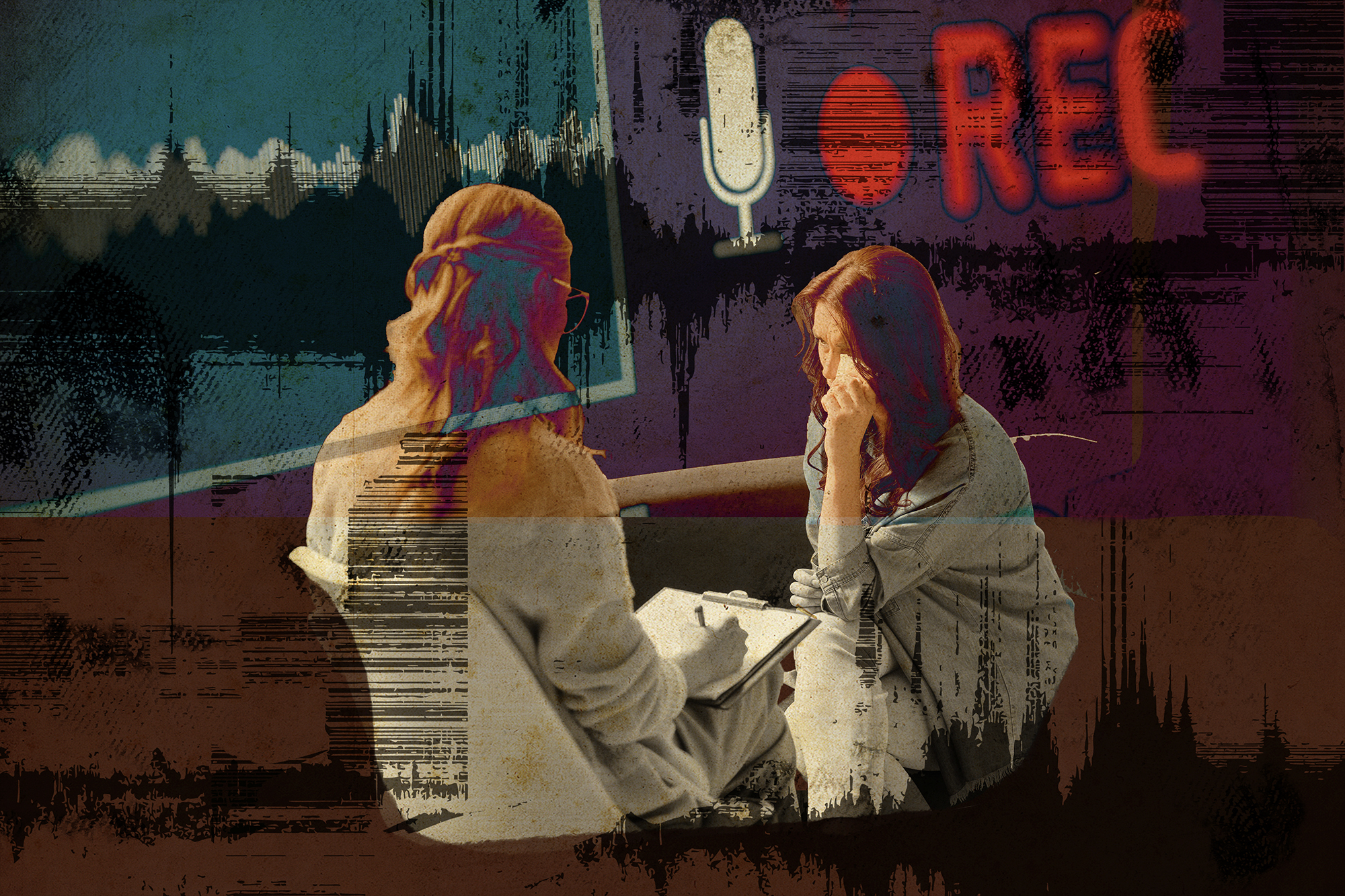
Someone Is Taking Notes on Your Breakdown
AI is recording mental health visits. The consent form is buried in the onboarding.

Half of America Uses the Thing. Almost None of Them Trust It.
The numbers on AI adoption and AI skepticism don't cancel each other out — they're the same sentence.
From the other desks.

Rust at $450,000 a Panel
Icon 4x4 built a brand-new truck that looks like it's been sitting in a field since the Carter administration — and the price tag is the least surprising part of the story.
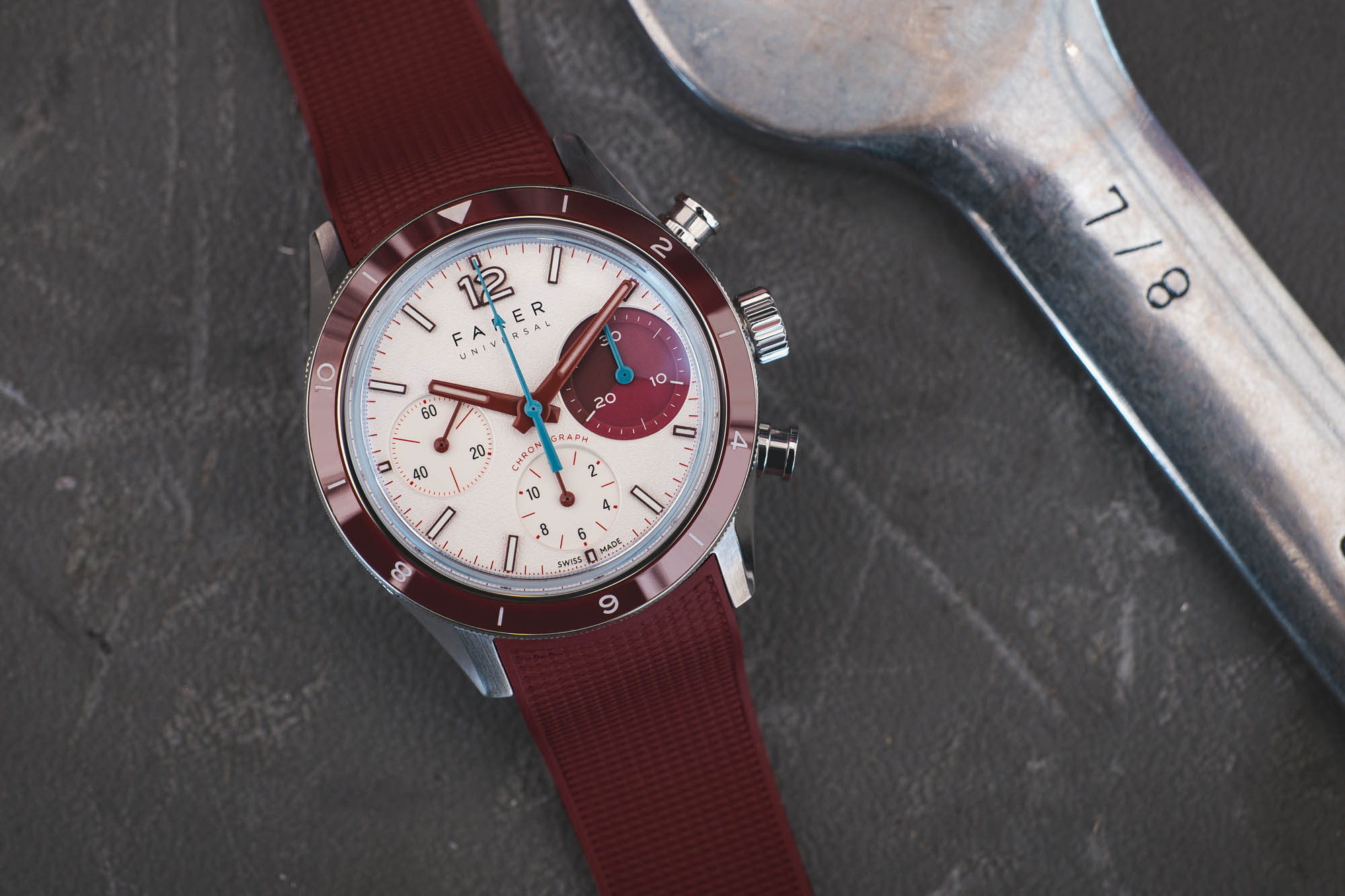
Farer Painted Three Watches in Racing Livery and Asked You to Feel Something
When vintage motorsport aesthetics become design language rather than archive recovery, the romance has to earn its keep.

Owen Wilson Showed Up. Nobody Looked.
When a 26-year-old golfer outdraws a movie star, the sport has a choice: notice what it has, or keep waiting for someone easier to sell.