Apple's Best AI Demo Isn't for You
The clearest argument for Apple Intelligence isn't in the keynote. It's in the accessibility notes.
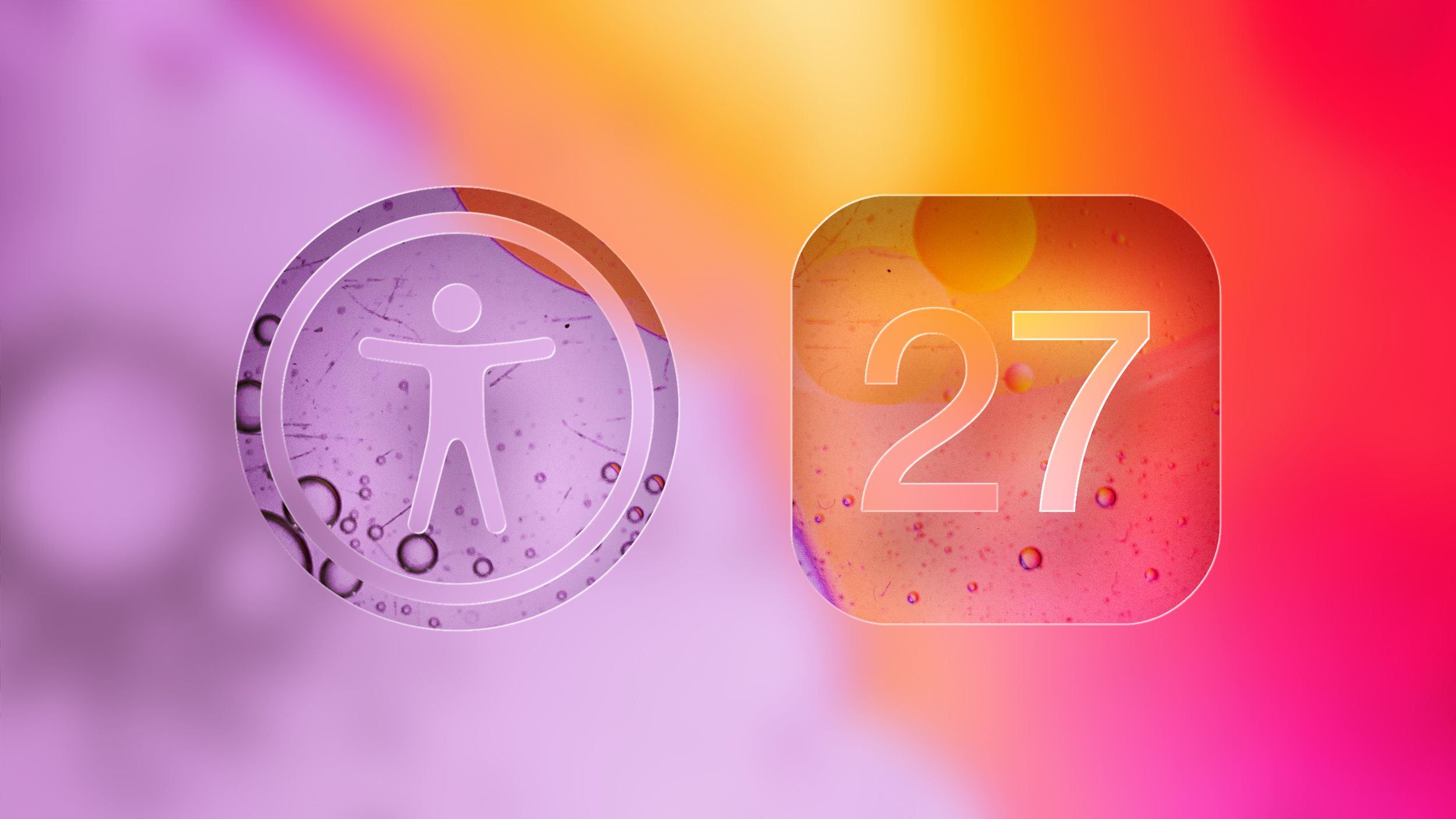
Every year around Global Accessibility Awareness Day, Apple drops a press release and tech writers dutifully file their pieces and everyone moves on. This year, something shifted — not in the announcement itself, but in what the announcement reveals about where Apple Intelligence is actually earning its keep.
Look at the features themselves. VoiceOver can now produce detailed descriptions of images across the system — photographs, scanned bills, personal records. Point an iPhone camera at something, press the Action button, ask a question about what it sees, ask a follow-up in plain language. Magnifier brings those same AI-powered visual descriptions into its high-contrast interface. Voice Control gets natural language input. And Vision Pro — the headset that, depending on who you ask, is either the future or a very expensive paperweight — now lets power wheelchair users control it with their eyes.
That last one. Sit with it for a second.
The Hierarchy of Use Cases
The standard tech-industry framing of AI goes something like this: we build it for everyone, and accessibility is a downstream benefit. A nice story. Good for the press release. What Apple is demonstrating here — whether intentionally or not — is something closer to the inverse. These are use cases where the AI capability isn't a feature enhancement. It's the entire difference between a tool that works and one that doesn't.
For a sighted person, a richer image description in VoiceOver is a neat trick. For someone who isn't, it's the gap between understanding a document and not. Natural language voice input isn't a convenience shortcut when your hands don't work the way the interface assumes they do. And eye-tracking wheelchair control via Vision Pro isn't a novelty — it's mobility.
Six Colors noted the timing directly, pointing out that these announcements arrived in the run-up to Global Accessibility Awareness Day and may signal a wider AI focus heading into WWDC. That framing is worth taking seriously. Apple doesn't schedule things accidentally. Previewing this now, in this context, is a statement about what they want people to associate Apple Intelligence with before the summer's bigger reveal.
What the Hype Cycle Missed
The last eighteen months of AI coverage have been obsessed with the wrong question: can these models do something impressive enough to justify the investment? The benchmarks, the chatbot comparisons, the debates about whether the responses are good enough — all of it aimed at a user who is already well-served by existing technology and is essentially being asked to upgrade a convenience.
The accessibility use cases don't have that problem. There's no incumbent convenience to beat. The bar isn't "is this better than what I was doing before" — it's "does this work at all."
Apple has spent years building accessibility infrastructure that the majority of its users never touch and never think about. Now Apple Intelligence is being threaded through that infrastructure in ways that make the AI demonstrably useful rather than demonstrably impressive, which, after two years of the industry confusing those two things, feels almost radical.
I've watched enough product cycles to know that a company can announce the right thing for the wrong reasons and still produce something that matters. Whatever Apple's motivations — differentiation, regulation, genuine conviction, all three — the output here points toward AI being most coherent when it's solving for someone the old interface never accounted for in the first place.
The best argument for Apple Intelligence isn't a smarter emoji suggestion. It's a wheelchair moving because someone looked at a corner of a screen.
Keep reading tech.
Hide My Email Has Been Showing Your Email
Apple's privacy flagship has a hole in it. They've known for over a year.

Sony Killed the Disc. Sony Is Also Killing the Store.
Two announcements, one company, and a quiet admission that "ownership" was always their word to define.
Apple Went to the Highest Court It Could Find. That Tells You Everything.
When a contempt ruling sends you to the Supreme Court, you're not defending a policy anymore — you're defending a worldview.
From the other desks.
800 Horsepower, One Ton of Doubt
Lamborghini built the most powerful SUV it's ever made. It's also slower than what it replaced.
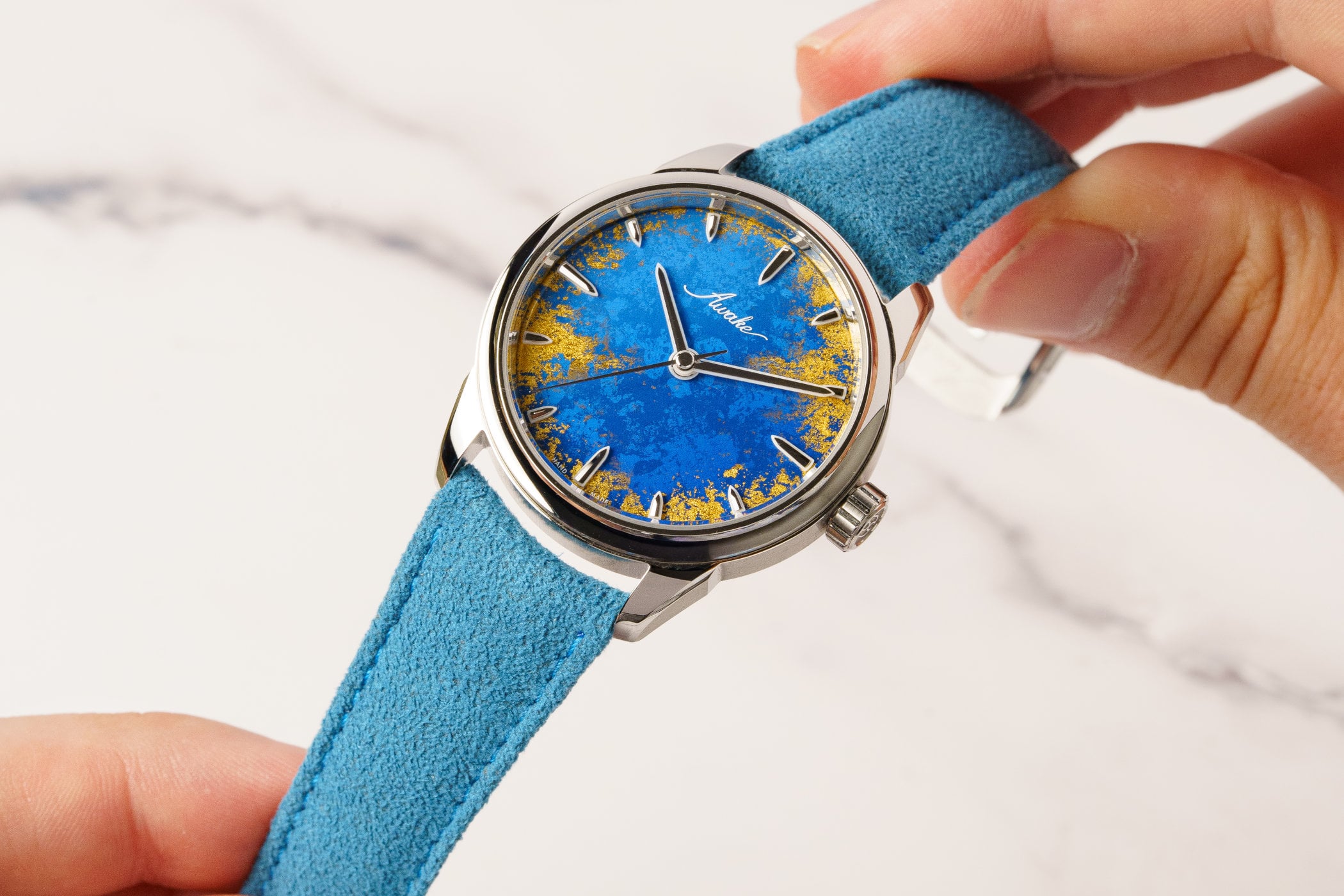
Gold Leaf on a Lacquer Dial, and the Weight of What That Costs
Awake's Frosted Leaf Royal Blue asks a question Vietnamese craft has never quite had to answer at this price.
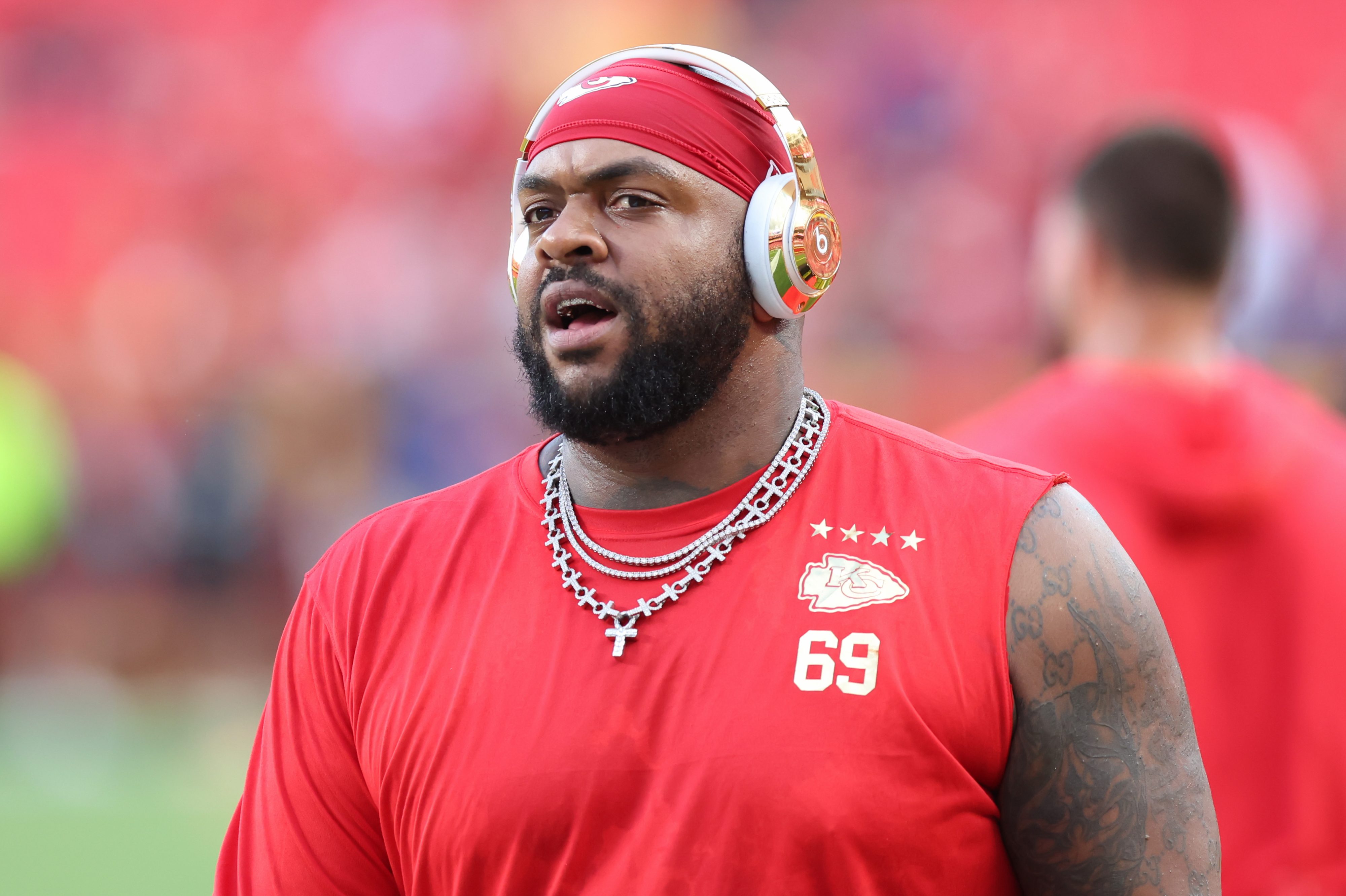
ESPN Named Him. Then Unnamed Him. Nobody's Explaining the Gap.
A retraction without a reckoning is just a deleted link.