Dbrand Sold the Apology. The Case Was Incidental.
The Companion Cube was cancelled before most people got to hold one — and somehow that was always the plan.

Photo · The Verge
There's a business model here, and it's not selling phone cases.
Dbrand announced its Portal-themed Companion Cube accessory for the Steam Machine in November, opened preorders on June 22nd, watched it become — by their own account, per The Verge — the second-fastest selling product in fifteen years of operation. Then Valve's legal team called. Then the product disappeared. Then came the refunds, the statement, the mea culpa. As Android Authority flagged, Dbrand's own words were pretty direct about it: we built the idea into something real without ever asking Valve if we could.
That's not an accident. That's a strategy wearing an accident's clothing.
The Permission Economy
Here's what the coverage across The Verge, Engadget, Tom's Hardware, 9to5Google, and Android Authority collectively reveals, if you read it as a pattern rather than a story: Dbrand didn't fail to ask Valve for permission because they forgot. They didn't forget. Companies that have been operating for fifteen years and move product fast enough to set internal sales records don't forget to clear IP rights on a flagship launch. They made a calculation — that the sales velocity, the press cycle, and the brand heat generated by a brief, dramatic run would outperform whatever a licensing conversation might have produced, which might have been nothing, or a long wait, or a diluted product.
Tom's Hardware reported that after Valve contacted them, Dbrand asked for a licensing deal. That's the tell. You don't ask for a license after you've been told to stop unless you built the whole thing hoping the conversation would happen eventually, just on your terms instead of theirs.
Engadget called it plainly: Dbrand didn't do its homework. But that framing is almost too generous. Homework implies there was something to learn. Dbrand knows exactly how IP law works. What they did wasn't ignorance. It was a bet.
The Apology as Content
The cancellation statement, the refund announcement, the candid admission — these aren't damage control. They're the product. The Companion Cube case generated coverage, goodwill, and brand positioning that a normal product launch, properly licensed and quietly shipped, never would have. The company gets to be the edgy outfit that almost pulled it off, that was honest about it, that gave everyone their money back without being asked twice. That's a reputation, and reputations compound.
The people who preordered didn't get a case. They got a story about the time Valve shut down the coolest Steam Machine accessory anyone had seen. Dbrand got fifteen years of brand equity in a week-long news cycle.
None of the coverage seems particularly outraged, which is itself part of the pattern. 9to5Google noted with a certain dry affection that users will not, in fact, find companionship — the kind of wry framing that signals the press has decided this is charming rather than cynical. And maybe it is charming. But charm is also a product.
The question nobody is quite asking: if the Companion Cube had sold slowly, would the apology have been so warm? Or does the contrition only land because the demand was undeniable, which means Valve is now negotiating from a position where they know exactly how much money they left on the table?
Dbrand built a machine that runs on consequences. They're very good at making the consequences feel like the point.
Keep reading tech.

Hide My Email Has Been Showing Your Email
Apple's privacy flagship has a hole in it. They've known for over a year.

Sony Killed the Disc. Sony Is Also Killing the Store.
Two announcements, one company, and a quiet admission that "ownership" was always their word to define.
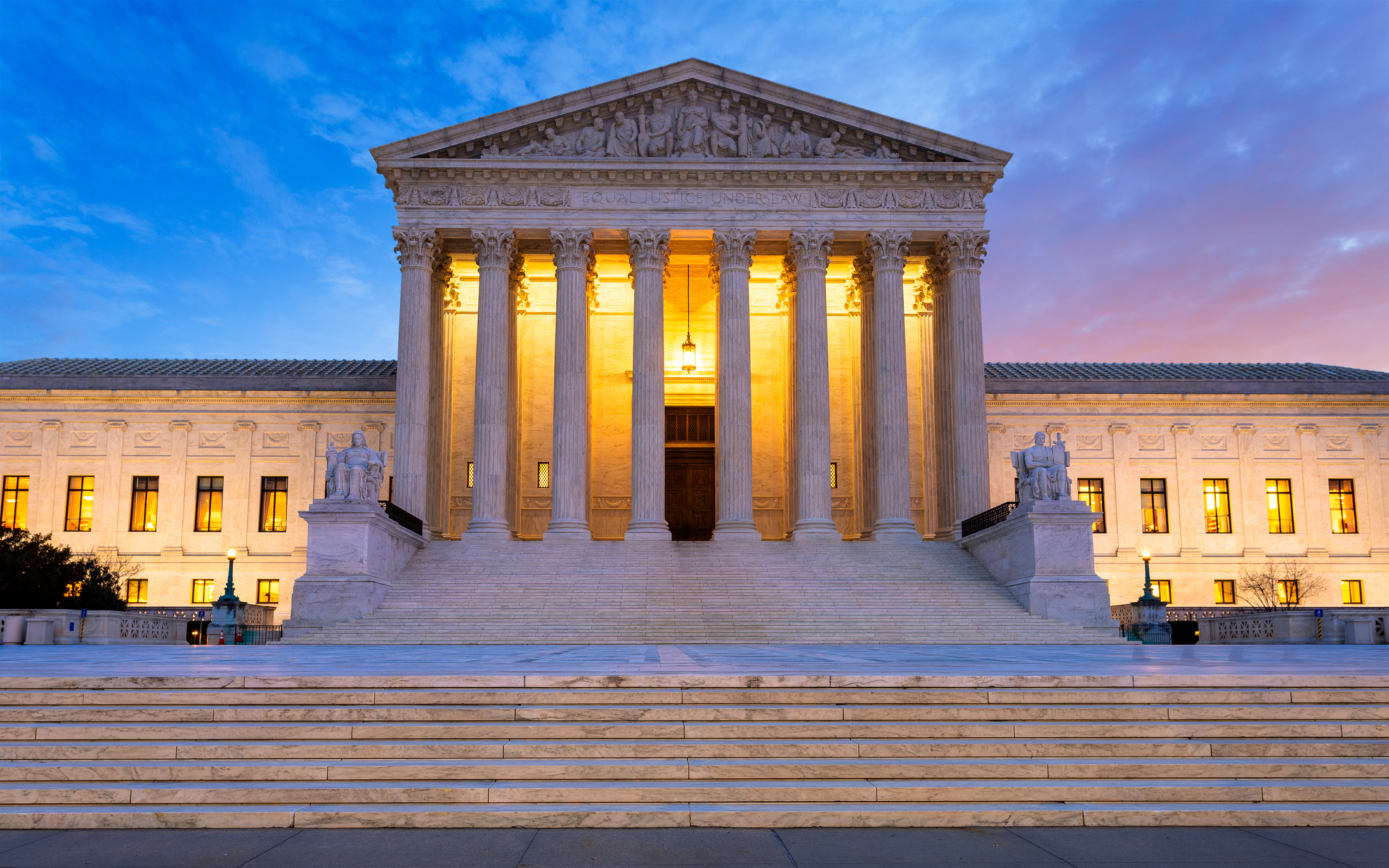
Apple Went to the Highest Court It Could Find. That Tells You Everything.
When a contempt ruling sends you to the Supreme Court, you're not defending a policy anymore — you're defending a worldview.
From the other desks.

800 Horsepower, One Ton of Doubt
Lamborghini built the most powerful SUV it's ever made. It's also slower than what it replaced.

Gold Leaf on a Lacquer Dial, and the Weight of What That Costs
Awake's Frosted Leaf Royal Blue asks a question Vietnamese craft has never quite had to answer at this price.

ESPN Named Him. Then Unnamed Him. Nobody's Explaining the Gap.
A retraction without a reckoning is just a deleted link.