Five Justices Drew a Line Around Your Phone. The Question Is How Long It Holds.
The Supreme Court just ruled that police need a warrant for your location data — a victory that arrives about a decade after it should have.
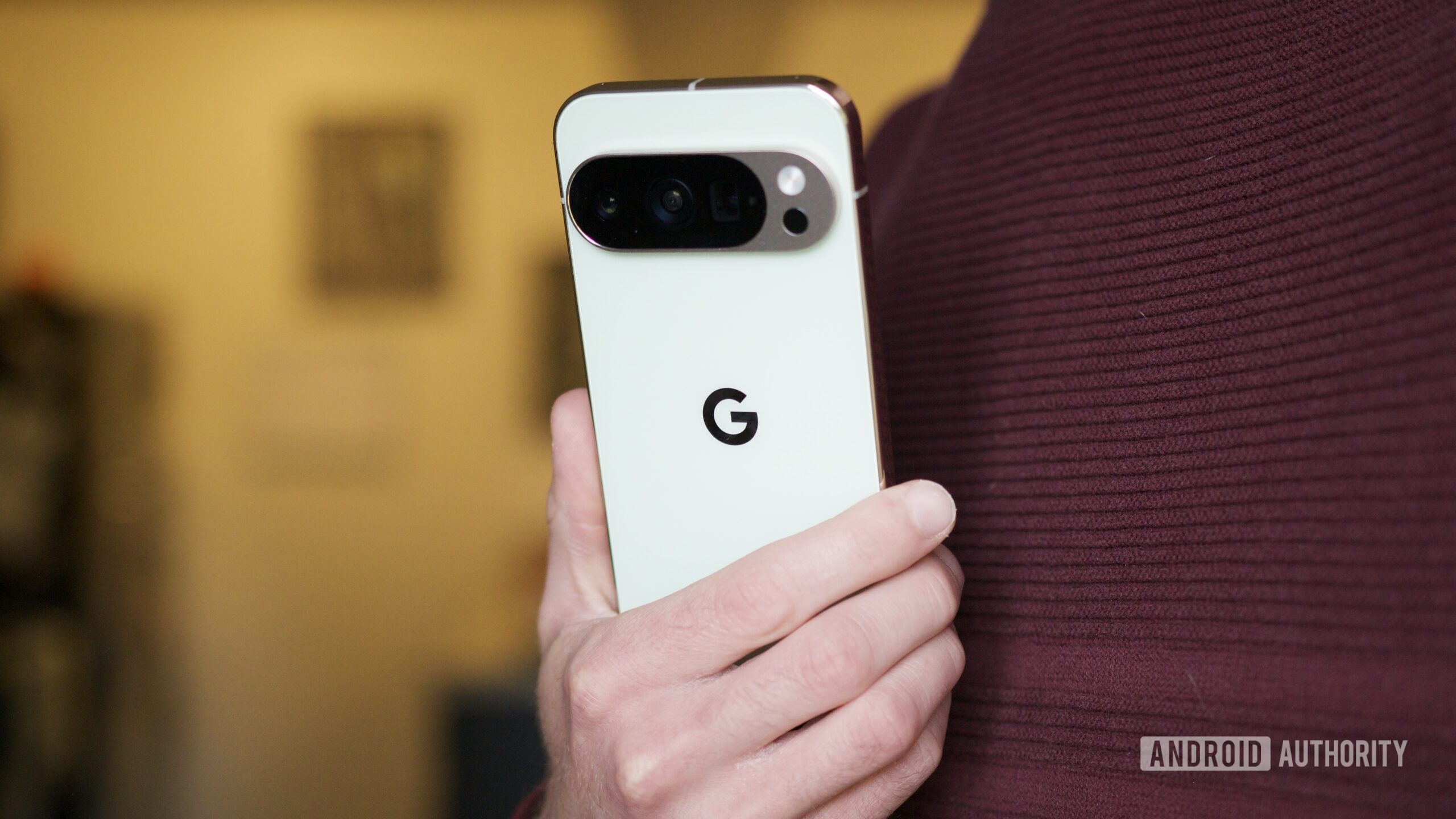
Photo · Android Authority
There's a version of this story where we celebrate. The Supreme Court ruled that law enforcement needs a warrant to access phone location data, and three separate outlets covered it with something approaching relief. Android Authority called it a rare win. A writer at 9to5Google admitted to being pleasantly surprised. The Register framed it as the Fourth Amendment clogging the pipeline on bulk location grabs. That's the feel-good read.
Here's the other one: the fact that we needed the Supreme Court to confirm that you have a reasonable expectation of privacy in data that tracks everywhere you've been, every day, is not a win. It's a diagnosis.
The Amendment Was Written for a Different Kind of Door
The Fourth Amendment was designed to protect people from unreasonable searches. That was always the idea — the government can't just rifle through your life without cause. What nobody anticipated was a world where your phone passively broadcasts your location to carriers in a near-continuous stream, and where that data sits in a database someone else controls, technically owned by a third party.
That third-party framing is the loophole that's been doing a lot of work for a long time. The logic ran something like: if you handed your information to a company, you assumed the risk of that company sharing it. The Supreme Court just said that logic doesn't hold when the information is this comprehensive, this intimate, and this involuntary. You don't really choose to generate location data. You choose to have a phone. Those are not the same choice.
The ruling lands as a genuine doctrinal correction. But corrections that arrive after years of unchecked practice have a funny way of leaving the old practice's fingerprints everywhere.
Reactive Is Not the Same as Protected
What strikes me across all three of these pieces is the shared undertone of surprise. Not outrage — surprise. As though a ruling in favor of ordinary people's privacy is the upset, and the house winning would have been expected. That tells you something about where the baseline has drifted.
The Fourth Amendment has spent the last several decades playing catch-up. New technology arrives, law enforcement finds the angle, courts eventually push back, and by the time the ruling comes down, the practice being ruled against has already shaped thousands of cases, informed countless investigations, and established informal norms that don't disappear just because a majority of justices finally said enough. The ruling matters. The lag matters more.
Bulk location data grabs — what The Register described as vacuuming up location data for an area — were apparently common enough to be worth noting as a specific concern. That's not a rogue tactic. That's a method. And it was a method that operated in legal gray long enough to become routine.
What a Win Looks Like When You're Already Behind
None of the three pieces I read was cynical about the ruling itself. They weren't wrong to treat it as meaningful — it is. Requiring warrants for location history is a real constraint, and constraints backed by constitutional precedent carry weight that agency guidelines or legislative promises don't.
But the optimism in the coverage sits uneasily next to the timeline. Smartphones have been in most American pockets for well over a decade. Location tracking at scale has been technically possible and commercially routine for most of that time. The legal framework just caught up. In the interim, the data existed. It was accessed. It shaped outcomes.
Privacy law in this country has always been reactive. It responds to the technology that's already won, the practice that's already spread, the harm that's already happened. That's not a flaw in this ruling — it's a flaw in the model.
The court drew a line. Good. Now ask yourself what's already on the other side of it.
Keep reading tech.

Hide My Email Has Been Showing Your Email
Apple's privacy flagship has a hole in it. They've known for over a year.

Sony Killed the Disc. Sony Is Also Killing the Store.
Two announcements, one company, and a quiet admission that "ownership" was always their word to define.
Apple Went to the Highest Court It Could Find. That Tells You Everything.
When a contempt ruling sends you to the Supreme Court, you're not defending a policy anymore — you're defending a worldview.
From the other desks.

800 Horsepower, One Ton of Doubt
Lamborghini built the most powerful SUV it's ever made. It's also slower than what it replaced.

Gold Leaf on a Lacquer Dial, and the Weight of What That Costs
Awake's Frosted Leaf Royal Blue asks a question Vietnamese craft has never quite had to answer at this price.

ESPN Named Him. Then Unnamed Him. Nobody's Explaining the Gap.
A retraction without a reckoning is just a deleted link.