Fitbit Air Costs $99 and Has No Screen. That's Not a Compromise.
The fitness tracker that does less is winning by doing exactly that.
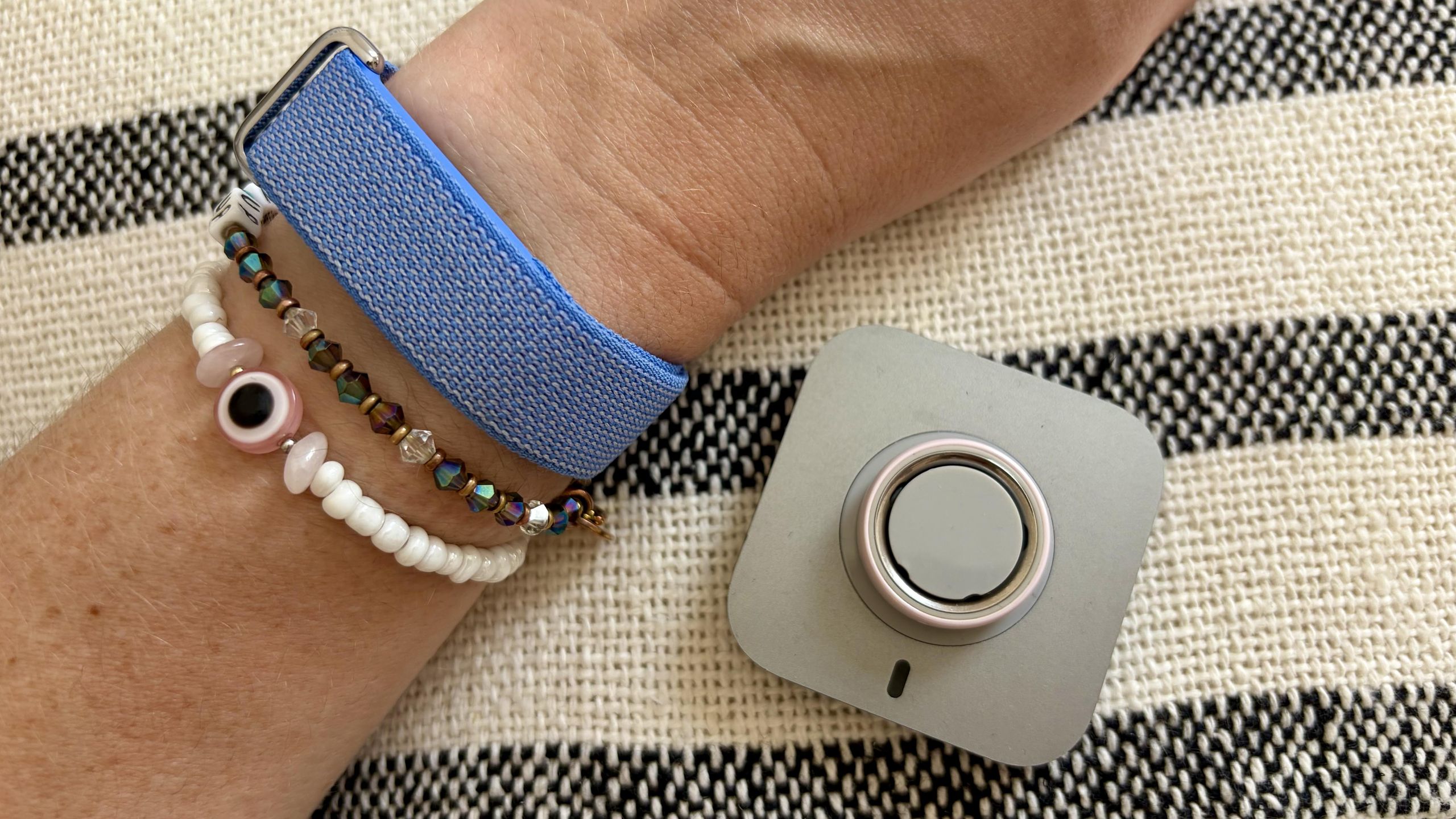
Photo · Latest from Tom's Guide
There's a version of progress where you add a screen, add a subscription, add a notification layer, and call it an upgrade. The wearable industry has been running that play for years. Then the Fitbit Air shows up at $99 with no screen and no monthly fee, and suddenly the reviewers are confused — not because it's bad, but because it keeps winning comparisons it was never supposed to win.
One writer at Tom's Guide wore the Fitbit Air alongside the $349 Oura Ring 4 for a week, specifically to compare sleep tracking. The price gap alone should have ended the conversation early. It didn't. The Air held its own — discreet, accurate, and apparently unbothered by the company it was keeping.
The Less-Is-More Bet
Strip away the screen and what you have is a band that tracks health metrics, lasts a while on a charge, and asks nothing of you between workouts. No glances. No taps. No micro-decisions about whether to dismiss or engage with whatever just buzzed your wrist. Another Tom's Guide reviewer called it the best no-fuss, subscription-free fitness tracker available right now — which, depending on how tired you are of the alternative, might be the most compelling sentence written about wearables in months.
The subscription piece matters more than it looks. The Oura Ring 4 costs $349 upfront and then keeps billing you. The Fitbit Air is $99, full stop. For anyone who's done the quiet math on how much their sleep data costs per year, that arithmetic lands hard.
None of this is accidental. The no-screen form factor isn't a budget concession — it's a design position. The argument is that constant feedback loops aren't always feedback; sometimes they're just noise with better branding.
The Competitive Response
The market seems to agree that something is shifting. Android Authority reported that Luna Band — a rival in the same screenless, subscription-free space — has locked in a launch date. It's bringing voice-based controls, which is a different kind of interface bet: still no screen, but a different answer to the question of how you interact with the thing on your wrist.
Two products converging on the same form factor philosophy at roughly the same moment isn't a coincidence. It's a signal. The ring-and-watch segment has been pulling attention and column inches for years, but it's also been pulling wallets in directions that require ongoing justification. When the recurring charge hits and the data dashboard still can't tell you why you feel tired, the value proposition gets slippery.
The Fitbit Air doesn't promise to solve your sleep. It just tracks it, quietly, and gets out of the way — which turns out to be a harder thing to build than it sounds, and a harder thing to argue against than the industry expected.
Boring, done right, is a competitive advantage. The wearable companies charging $30 a month are starting to find that out.
Keep reading tech.

Hide My Email Has Been Showing Your Email
Apple's privacy flagship has a hole in it. They've known for over a year.

Sony Killed the Disc. Sony Is Also Killing the Store.
Two announcements, one company, and a quiet admission that "ownership" was always their word to define.

Apple Went to the Highest Court It Could Find. That Tells You Everything.
When a contempt ruling sends you to the Supreme Court, you're not defending a policy anymore — you're defending a worldview.
From the other desks.

800 Horsepower, One Ton of Doubt
Lamborghini built the most powerful SUV it's ever made. It's also slower than what it replaced.

Gold Leaf on a Lacquer Dial, and the Weight of What That Costs
Awake's Frosted Leaf Royal Blue asks a question Vietnamese craft has never quite had to answer at this price.

ESPN Named Him. Then Unnamed Him. Nobody's Explaining the Gap.
A retraction without a reckoning is just a deleted link.