Gartner Gave Enterprises Two Years to Figure Out What They Already Know
A new warning about agentic AI rollbacks isn't a forecast — it's an invoice.

Photo · Latest from TechRadar
There's a specific kind of industry analyst prediction that functions less as prophecy and more as a mirror. Gartner has published one of those. According to coverage at TechRadar, the firm is warning that 40% of enterprises could be forced to roll back autonomous AI agents by 2027 if they fail to get governance right from the start. Read that sentence slowly. Not "if the technology fails." Not "if the market shifts." If they fail to govern what they've already deployed.
That's not a tech story. That's an accountability story wearing a tech story's clothes.
The Hype Installed the Problem
For the past two years, the pitch for agentic AI — systems that don't just respond but act, make decisions, execute tasks without a human in the loop — has been relentless. Autonomy was the feature. Speed was the benefit. The governance question was the part everyone agreed to revisit later, once things were running.
Later is apparently 2027.
What Gartner is describing, and what TechRadar is surfacing, is the structural consequence of deploying autonomy before accountability. An AI agent that can act without a human doesn't just create efficiency. It creates exposure. Every action it takes without oversight is a decision the organization either owns or scrambles to disown. At scale, across an enterprise, that's not a governance gap — it's a liability architecture.
The rollback threat isn't punitive. It's logical. If you can't audit what a system did, can't explain why it did it, can't demonstrate that someone was responsible for the outcome, you don't have an AI deployment. You have a process you've outsourced to a system you don't fully understand, running inside a legal and regulatory environment that is not going to wait for you to catch up.
Governance Theater Has a Price Tag Now
Here's what's actually new about this moment: for years, AI governance was a performance. Companies published principles. They formed ethics boards. They released responsible AI frameworks as PDFs. None of it had teeth because none of it had consequences. The agents weren't really autonomous. The stakes weren't really high. The gap between the document and the deployment didn't really matter yet.
Agentic AI changes the math. When a system is actually making decisions — booking things, canceling things, communicating on behalf of the organization, executing workflows — the governance document in the drawer is suddenly load-bearing. And a lot of those drawers are empty.
The 40% figure is the interesting part here, not because it's precise — Gartner forecasts rarely survive contact with reality unchanged — but because of what it implies about the other 60%. The assumption baked into that number is that a majority of enterprises will manage to govern their agentic deployments well enough to avoid forced rollbacks. Which means the question isn't whether governance matters. The question is whether your organization is going to figure that out before or after the incident that makes it undeniable.
A writer at TechRadar is right to frame this as a warning. But warnings at this stage of the cycle tend to get treated as optional reading. The companies that will avoid the rollback aren't the ones reading Gartner reports. They're the ones who already had the uncomfortable conversation about what happens when the agent gets it wrong — and who owns that.
Autonomy without accountability isn't a feature. It's a deferred cost, and the bill is coming due on a schedule that doesn't care about your deployment timeline.
Keep reading tech.

Hide My Email Has Been Showing Your Email
Apple's privacy flagship has a hole in it. They've known for over a year.

Sony Killed the Disc. Sony Is Also Killing the Store.
Two announcements, one company, and a quiet admission that "ownership" was always their word to define.
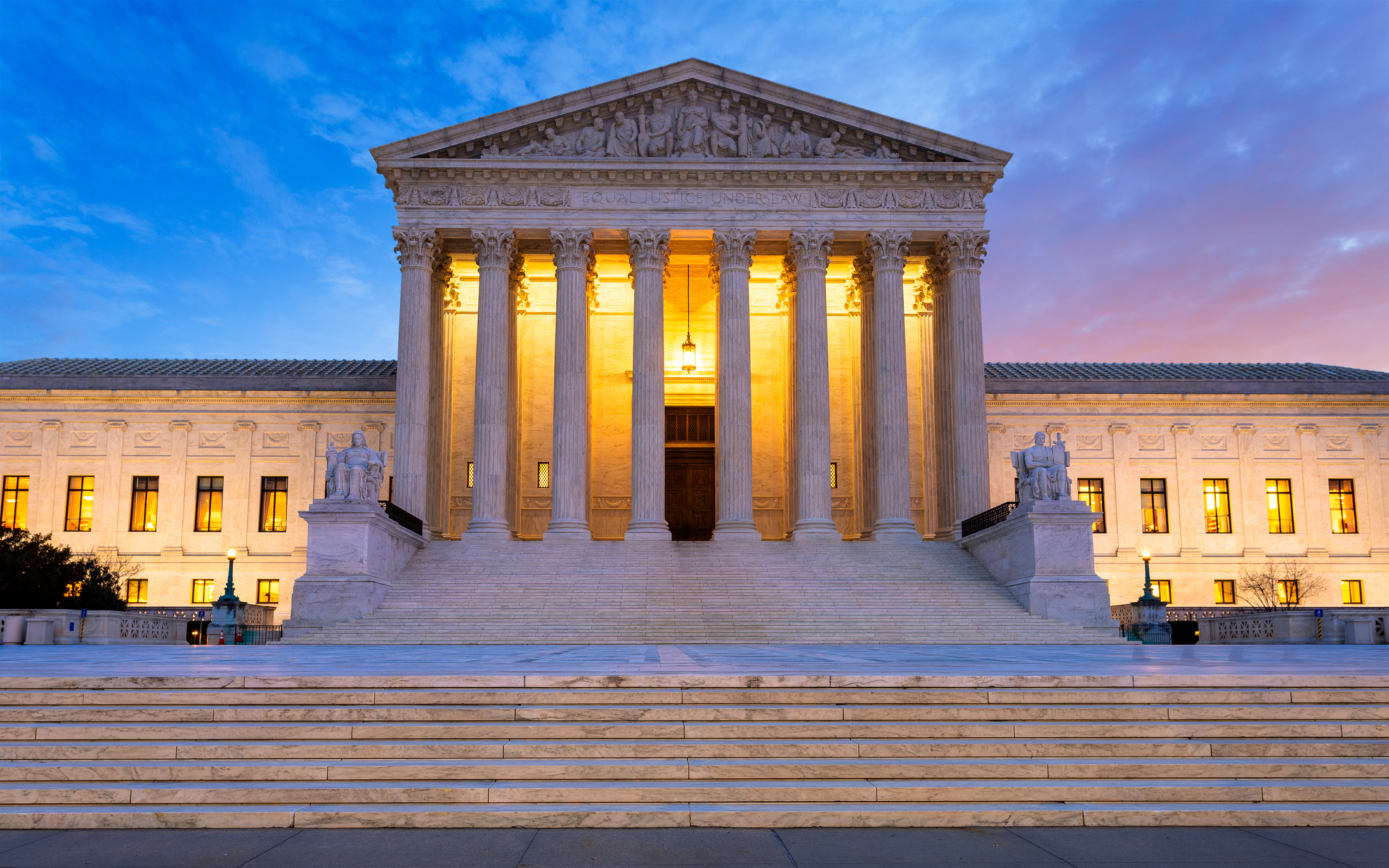
Apple Went to the Highest Court It Could Find. That Tells You Everything.
When a contempt ruling sends you to the Supreme Court, you're not defending a policy anymore — you're defending a worldview.
From the other desks.

800 Horsepower, One Ton of Doubt
Lamborghini built the most powerful SUV it's ever made. It's also slower than what it replaced.

Gold Leaf on a Lacquer Dial, and the Weight of What That Costs
Awake's Frosted Leaf Royal Blue asks a question Vietnamese craft has never quite had to answer at this price.

ESPN Named Him. Then Unnamed Him. Nobody's Explaining the Gap.
A retraction without a reckoning is just a deleted link.