Google Fit Is Dead. Google Health Is the Same Admission With Better Branding.
A screenless tracker, a sunset app, and a rebrand that quietly confesses Google never wanted to own your health — just process it.
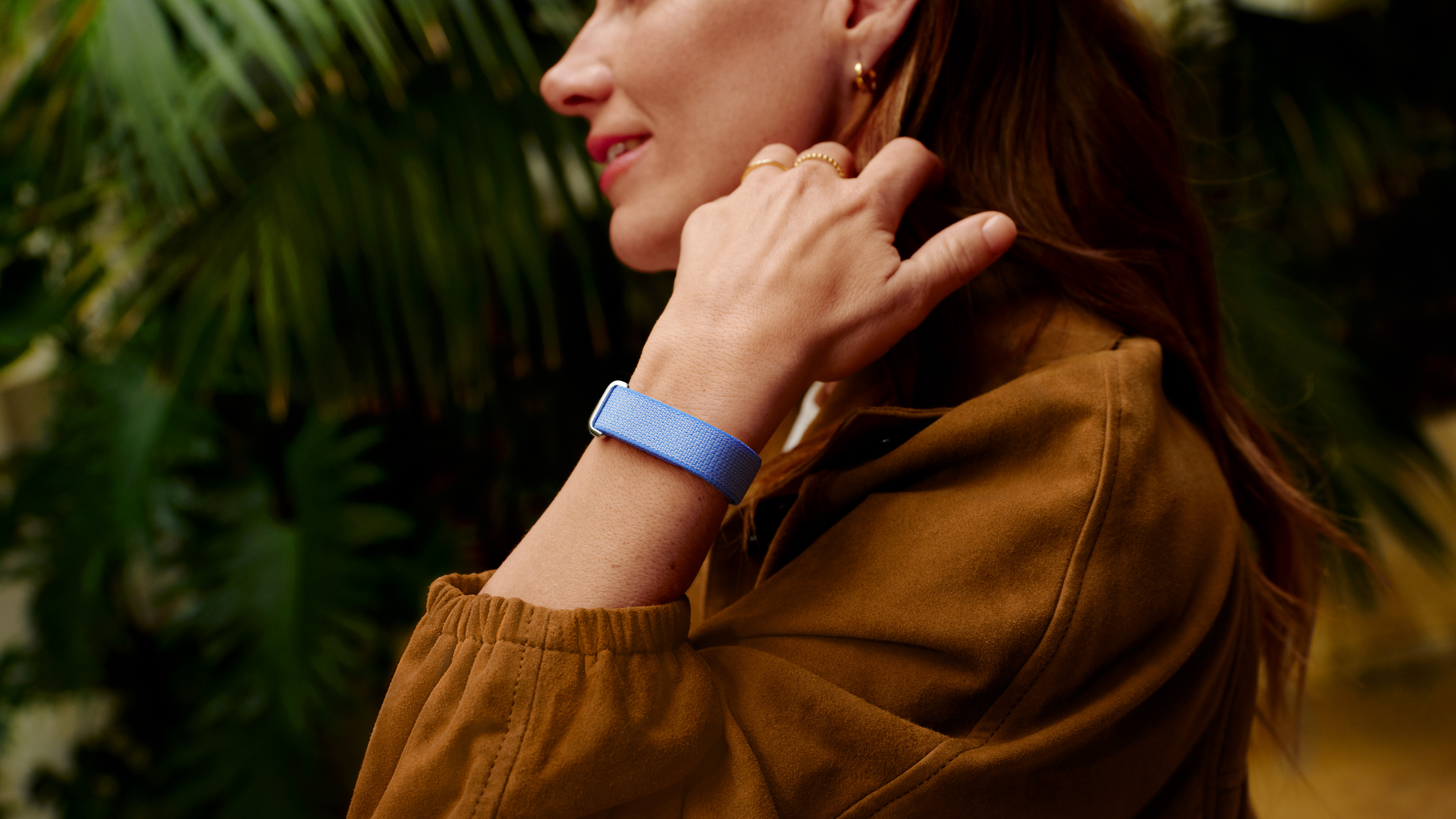
Photo · Ars Technica - All content
Here's a tell: when a company kills one of its own apps to launch a rebranded version of a different app it bought from someone else, that's not a strategy. That's a correction.
Google announced the Fitbit Air — $100, no screen, Whoop in the general vicinity — and simultaneously said Google Fit will shut down by year's end, with the Fitbit app absorbing everything under the new name Google Health. Two moves that look like a product launch. One move that's actually a concession.
The Screen Isn't Missing. The Ambition Is.
The Fitbit Air is the hardware story everyone will tell. Screenless, Gemini-powered, tracking the usual constellation of metrics — continuous heart rate, A-fib monitoring, SpO2, sleep stages, heart rate variability. TechCrunch noted the Whoop comparison immediately, which is the right comparison to make, and also the one Google probably wishes you wouldn't make, because Whoop has spent years building the thing Google is now building a $100 version of. There's a Stephen Curry edition, per 9to5Google, which is either clever or desperate depending on how many units they need to move.
The more interesting signal is what didn't change. According to 9to5Google, the rest of the Fitbit lineup — Sense 2, Versa 4 — stays exactly where it was. Google didn't rearchitect anything. It added a new device at the bottom and left the rest untouched. That's not a portfolio strategy. That's a company that doesn't know which direction it's running yet.
Infrastructure, Not Ownership
The rebrand is where you find the real story. Google Fit — Google's own fitness app, Google's own brand, Google's own health vision — is gone. In its place: Google Health, which is just the Fitbit app wearing a different name. WIRED described it as your one-stop shop for health and fitness, which is the kind of phrase that sounds like progress and means something closer to consolidation.
Read it plainly: Google spent years trying to build its own health identity with Google Fit, then acquired Fitbit, and has now concluded that the acquired brand is worth more than the homegrown one. That's not a sin — it's just honest. But honesty this late has a price. The people who built their routines around Google Fit are getting a migration tool coming later this year, which is the tech industry's way of saying we haven't finished fixing the thing we broke yet.
What Google seems to be settling into is infrastructure. Not the app you open every morning to understand your body, but the platform underneath the app you open every morning. Google Health becomes the connective tissue — Gemini doing the interpretation, the hardware collecting the signal, the ecosystem doing the integration. That's a viable business. It's just not the one Google kept implying it wanted.
Whoop built a community around the data. Apple built an identity around the watch. Google built a search engine, then an ad network, then a phone, then a tablet, then a speaker, then a wearable, then another wearable, then a health app, then another health app. The Fitbit Air and the Google Health rebrand are what you get when a company finally stops trying to be the thing and decides to be the place where the thing lives.
There's nothing wrong with that. Platforms are worth building. The $100 price point is real competition. The Gemini integration is at least interesting. But if you've watched Google's health ambitions cycle through enough rebrands, enough sunsets, enough "one-stop shops," you learn to read the announcement for what it isn't saying.
They're not trying to know you. They're trying to store you.
Keep reading tech.

Hide My Email Has Been Showing Your Email
Apple's privacy flagship has a hole in it. They've known for over a year.

Sony Killed the Disc. Sony Is Also Killing the Store.
Two announcements, one company, and a quiet admission that "ownership" was always their word to define.

Apple Went to the Highest Court It Could Find. That Tells You Everything.
When a contempt ruling sends you to the Supreme Court, you're not defending a policy anymore — you're defending a worldview.
From the other desks.

800 Horsepower, One Ton of Doubt
Lamborghini built the most powerful SUV it's ever made. It's also slower than what it replaced.

Gold Leaf on a Lacquer Dial, and the Weight of What That Costs
Awake's Frosted Leaf Royal Blue asks a question Vietnamese craft has never quite had to answer at this price.

ESPN Named Him. Then Unnamed Him. Nobody's Explaining the Gap.
A retraction without a reckoning is just a deleted link.