Healthcare Consent Forms Are Written for the Hospital, Not for You
A writer at The Markup tried to say no to data sharing. The form wouldn't allow it.
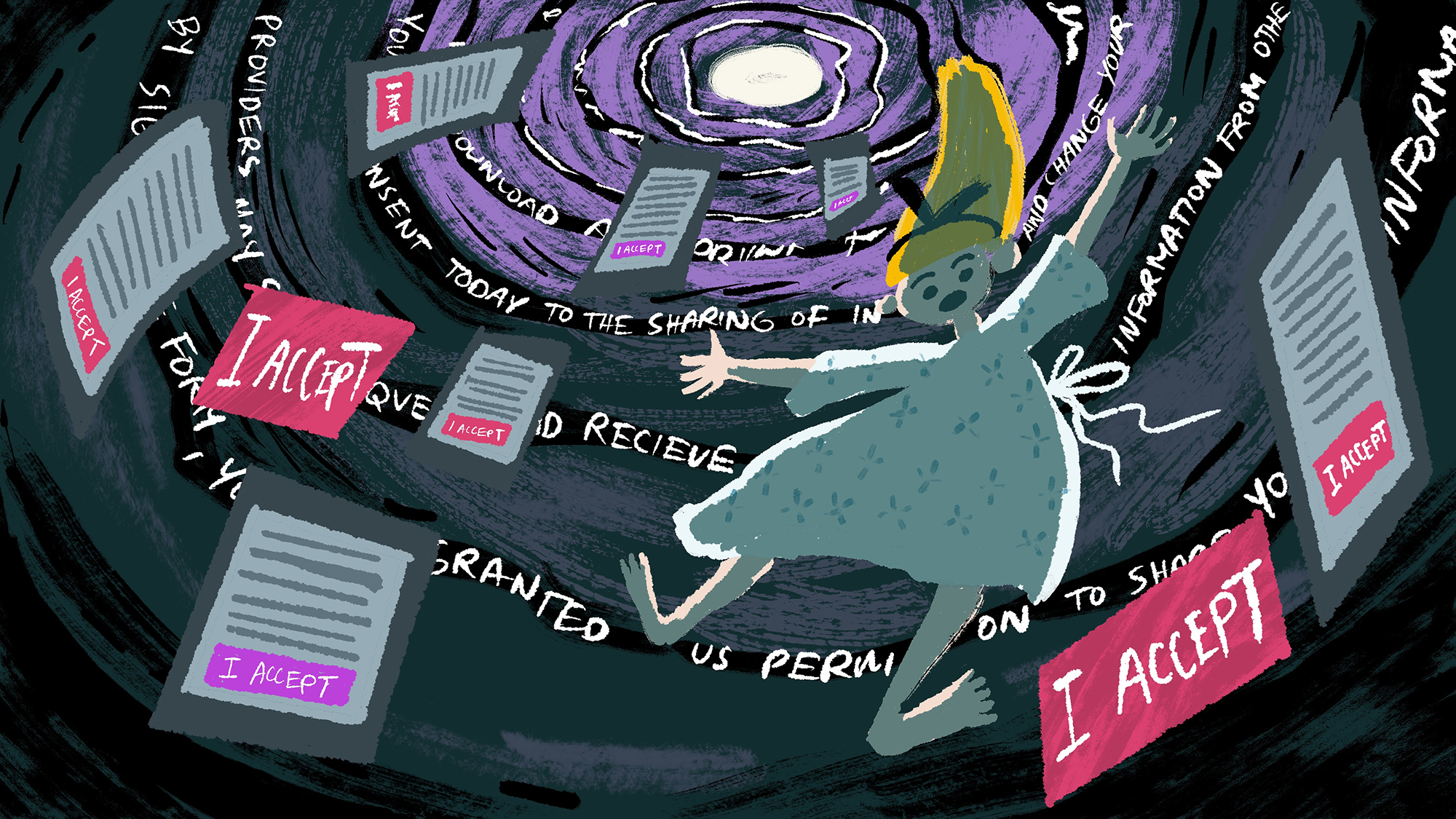
Photo · The Markup
There's a particular kind of institutional gaslighting where the document acknowledges your rights and then structurally eliminates them. That's what a writer at The Markup ran into trying to complete a standard healthcare intake form — one that explicitly described an opt-out option, then offered no mechanism to actually exercise it.
Sit with that for a second. Not a form that hides the data-sharing clause in paragraph fourteen. A form that tells you, plainly, that you can decline — and then doesn't let you.
The Pattern Has a Name
In tech circles, this is called a dark pattern. The term usually gets applied to subscription cancellation flows and cookie consent banners engineered to confuse. Seeing it in a patient intake form — where the stakes aren't a $12/month newsletter but your medical history — is a different kind of uncomfortable. The Markup's account describes being funneled into big healthcare networks' data-sharing arrangements not through deception about what's happening, but through the simple removal of any alternative path. You can read exactly what you're agreeing to. You just can't disagree.
What makes this worth more than a single anecdote is the implication underneath it: somewhere in the architecture of U.S. healthcare privacy law, the default runs toward sharing, not withholding. The opt-out model — where your data flows unless you actively stop it — is apparently legal enough that institutions have built entire intake systems around it. The form that describes an opt-out but removes the button isn't a bug. It's the system working as designed.
What This Actually Reveals
We've spent years watching tech companies get dragged for harvesting behavioral data, and there's a whole regulatory apparatus in Europe built around the premise that consent must be freely given, specific, and informed. Healthcare in the U.S. apparently operates on a different set of assumptions — ones where informed means you were told, not that you agreed.
The writer at The Markup didn't uncover a scandal. They documented ordinary friction. Which is somehow worse. Scandals get investigated. Friction just becomes the wallpaper.
There's also something worth naming about who bears the cost here. The person who wants to opt out of data sharing with a large healthcare network has to fight a form, escalate to staff, possibly delay their own care — all to exercise a right the document explicitly says they have. The person who doesn't notice, or doesn't have the time or energy to push back, gets processed through without incident. Friction is always distributed unevenly.
The dark pattern conversation in tech usually ends somewhere around 'companies should do better' or 'regulators should step in.' In healthcare, the power differential is sharper, the data is more sensitive, and the moment you're filling out the form is often not a moment of peak negotiating energy. You're sick, or scared, or just trying to get an appointment. The form knows this. The form was designed knowing this.
Consent theater is still theater, even when the script is printed on official letterhead.
Keep reading tech.

Hide My Email Has Been Showing Your Email
Apple's privacy flagship has a hole in it. They've known for over a year.

Sony Killed the Disc. Sony Is Also Killing the Store.
Two announcements, one company, and a quiet admission that "ownership" was always their word to define.
Apple Went to the Highest Court It Could Find. That Tells You Everything.
When a contempt ruling sends you to the Supreme Court, you're not defending a policy anymore — you're defending a worldview.
From the other desks.

800 Horsepower, One Ton of Doubt
Lamborghini built the most powerful SUV it's ever made. It's also slower than what it replaced.

Gold Leaf on a Lacquer Dial, and the Weight of What That Costs
Awake's Frosted Leaf Royal Blue asks a question Vietnamese craft has never quite had to answer at this price.

ESPN Named Him. Then Unnamed Him. Nobody's Explaining the Gap.
A retraction without a reckoning is just a deleted link.