The Public Is Not a Database. Meta Didn't Get the Memo.
Seventy-plus organizations just said the quiet part loud — and they're not asking for better settings.

Photo · WIRED
There's a version of this story where some scrappy researcher demos a scary prototype, a few journalists write alarmed takes, and nothing changes. We've been here. The cycle is familiar enough to have its own Wikipedia entry.
This isn't that version.
The Letter Doesn't Want a Fix
More than 70 organizations — the ACLU, the Electronic Privacy Information Center, Fight for the Future, Access Now, and dozens of others — sent a letter directly to Mark Zuckerberg warning that incorporating facial recognition into Meta's smart glasses would hand stalkers, sexual predators, and other bad actors a tool they could use in the open, on any street, in any coffee shop, against anyone who happens to walk by. The groups named specific populations at heightened risk: abuse survivors, immigrants, LGBTQ+ people.
What's notable — and this is the part both Wired and Engadget flag — is what the letter doesn't ask for. Not better opt-out mechanisms. Not design safeguards. Not a slower rollout. The coalition's position, stated plainly, is that the concept itself is too dangerous to be made safe through any product adjustment. The danger, they argue, cannot be resolved through incremental changes.
That's a harder stance than we usually see from civil society groups, who tend to negotiate toward guardrails. These organizations are saying there are no guardrails worth building here.
What Glasses Change
The specific threat isn't facial recognition as an abstract capability — it's facial recognition made ambient. Worn on your face. Indistinguishable, at a glance, from ordinary eyewear. The gap between seeing someone and knowing their name, address, or workplace collapses to the time it takes to glance at them.
Every previous version of this technology required a phone raised, a camera pointed, a gesture that announced itself. Glasses remove that friction entirely. And friction, it turns out, was doing a lot of work.
The coalition's concern isn't hypothetical misuse by some theoretical bad actor. It's that the feature would function exactly as designed — and that the design, by its nature, converts public space into a searchable index of human beings who never agreed to be indexed.
I've watched the privacy debate around consumer tech for long enough to know that "we'll add protections" usually means "we'll add a settings toggle and wait for the outrage to pass." Seventy organizations signing a letter that explicitly rejects that framework is either the most coordinated display of institutional frustration I've seen in this space, or a sign that they already know the toggle is coming and want it on record that they said it wouldn't be enough.
Probably both.
The glasses are already out there. The question of what they become is still, technically, open — but the organizations who signed this letter aren't betting on restraint.
Keep reading tech.

Hide My Email Has Been Showing Your Email
Apple's privacy flagship has a hole in it. They've known for over a year.

Sony Killed the Disc. Sony Is Also Killing the Store.
Two announcements, one company, and a quiet admission that "ownership" was always their word to define.
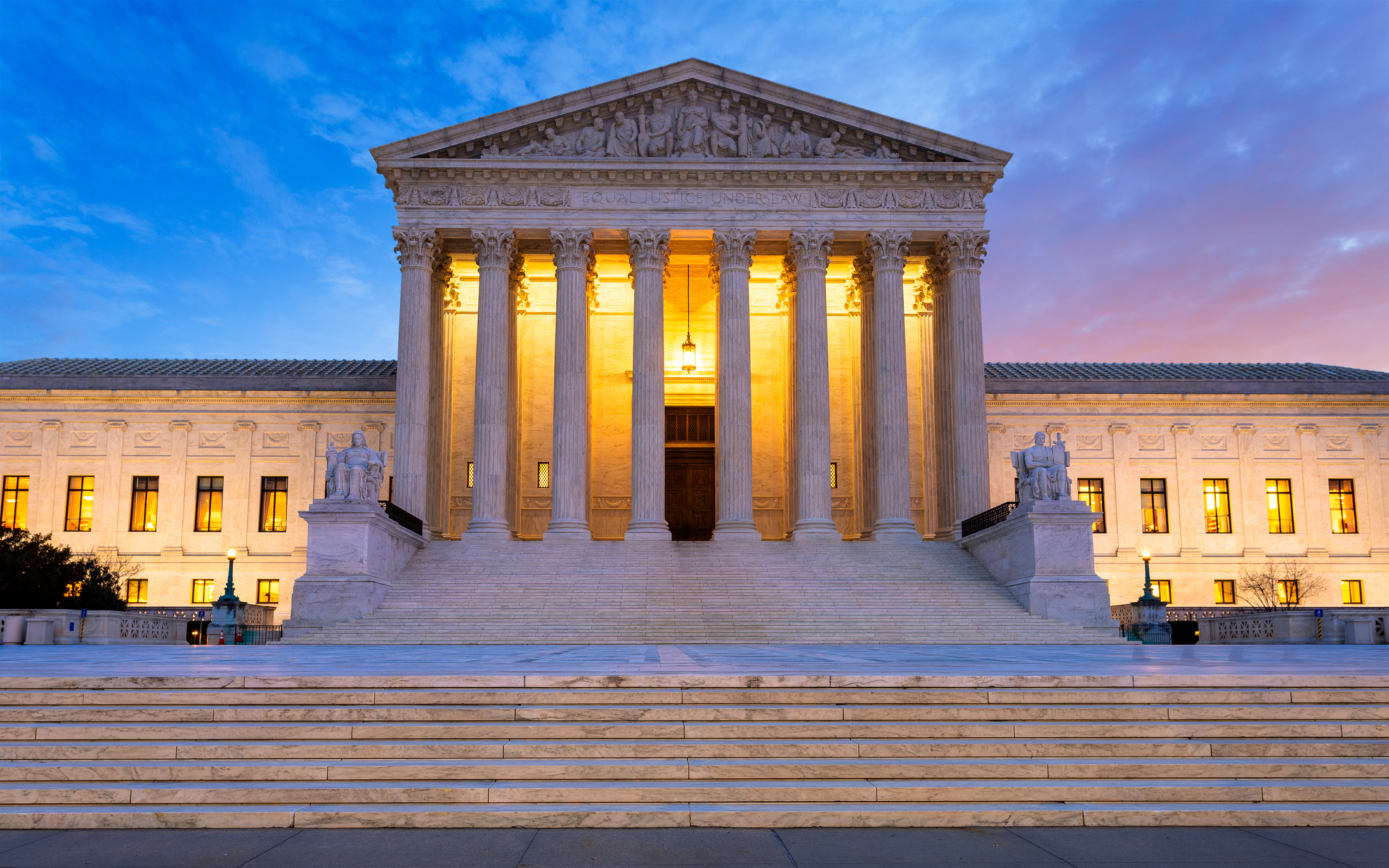
Apple Went to the Highest Court It Could Find. That Tells You Everything.
When a contempt ruling sends you to the Supreme Court, you're not defending a policy anymore — you're defending a worldview.
From the other desks.

800 Horsepower, One Ton of Doubt
Lamborghini built the most powerful SUV it's ever made. It's also slower than what it replaced.

Gold Leaf on a Lacquer Dial, and the Weight of What That Costs
Awake's Frosted Leaf Royal Blue asks a question Vietnamese craft has never quite had to answer at this price.

ESPN Named Him. Then Unnamed Him. Nobody's Explaining the Gap.
A retraction without a reckoning is just a deleted link.