Meta Shipped the Code Before Shipping the Apology
Face-recognition software is already on millions of phones. The announcement comes later — if it comes at all.
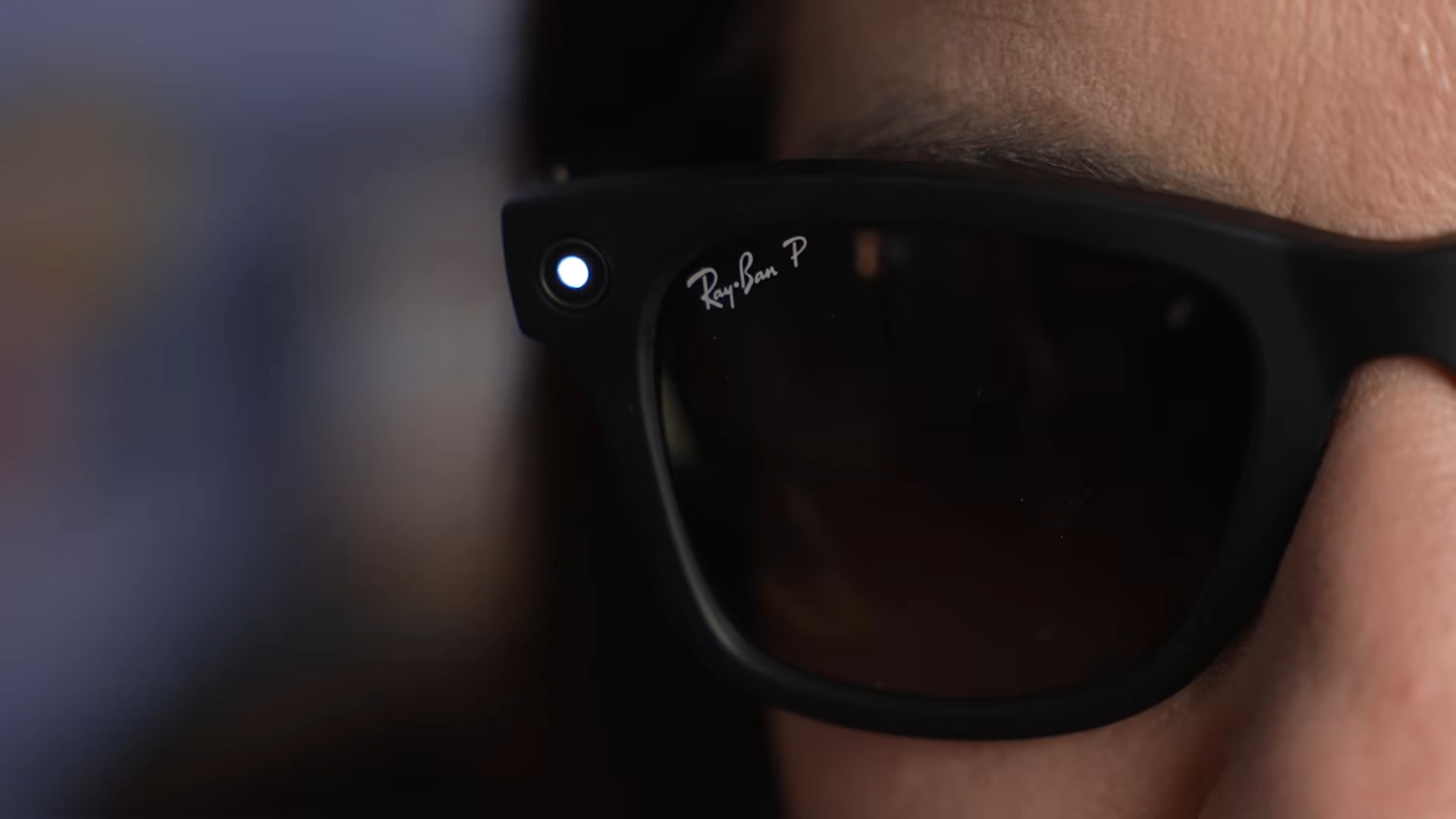
Photo · Android Authority
There's a version of this story where we're surprised. That version requires forgetting a lot.
Code reviewed by WIRED uncovered an unreleased face-recognition system embedded in Meta's smart glasses platform — already sitting inside an app downloaded millions of times, already designed to identify people using biometric data stored on their devices. Android Authority noted the feature appears further along in development than anything Meta has publicly acknowledged. Engadget pointed out that Meta had previously been reported as exploring facial recognition for its glasses — as if exploration and silent deployment were the same thing, separated only by a press release.
They are not the same thing.
The Sequence Is the Story
What these three outlets collectively document, without quite saying it in unison, is a company that has reversed the traditional order of product launches. Normally you announce the thing, absorb the reaction, maybe pull back, maybe proceed. Meta has apparently decided to skip straight to deployment — get the infrastructure onto hundreds of millions of devices first, then figure out the conversation later. Or never have it. Either outcome seems acceptable to them.
This is not a bug in Meta's process. It's the process.
The wry observation isn't that a tech company embedded surveillance capability into a consumer app without telling anyone — that's almost too familiar to generate real outrage anymore. The wry observation is that Meta has been through enough public privacy reckonings to have developed a sophisticated understanding of how those reckonings work, and that understanding seems to have produced exactly one strategic insight: move faster, disclose less, and let the news cycle handle the rest.
Biometric identification through a pair of glasses you're wearing at a dinner party, at a school, at a protest — that's not a hypothetical anymore. The code is already there. The glasses exist. The gap between "unreleased feature" and "released feature" is a product decision, not a technical one.
What Three Stories Add Up To
When WIRED finds the code, Android Authority contextualizes how advanced it is, and Engadget notes that Meta's interest in this wasn't exactly secret — what you're left with is a company that generated privacy concern at the rumor stage, let that concern dissipate, and then quietly moved the infrastructure into place while everyone was looking somewhere else.
The pattern is almost elegant, in a grim way. Rumor surfaces. Criticism lands. Company neither confirms nor denies. Months pass. Code ships. By the time the feature actually launches — if it does — the public has already been softened by the anticipation, and the infrastructure is already normalized by its presence on their phone.
None of the three outlets found evidence that Meta had announced this to users. None found a consent flow. The code was simply there, in an app people had already downloaded for other reasons, doing its quiet work of being ready.
I've watched this industry long enough to know that "it's just unreleased code" is the designated waiting room between "we would never do this" and "here's how to opt out." The waiting room has gotten a lot more crowded lately.
The question worth sitting with isn't whether Meta will eventually build a face-recognition feature for its smart glasses. Of course it will. The question is whether a company that has already placed the foundation inside your pocket, without asking, has any meaningful obligation to ask before it turns the lights on.
Based on available evidence: they don't think so.
Keep reading tech.

Hide My Email Has Been Showing Your Email
Apple's privacy flagship has a hole in it. They've known for over a year.

Sony Killed the Disc. Sony Is Also Killing the Store.
Two announcements, one company, and a quiet admission that "ownership" was always their word to define.

Apple Went to the Highest Court It Could Find. That Tells You Everything.
When a contempt ruling sends you to the Supreme Court, you're not defending a policy anymore — you're defending a worldview.
From the other desks.

800 Horsepower, One Ton of Doubt
Lamborghini built the most powerful SUV it's ever made. It's also slower than what it replaced.

Gold Leaf on a Lacquer Dial, and the Weight of What That Costs
Awake's Frosted Leaf Royal Blue asks a question Vietnamese craft has never quite had to answer at this price.

ESPN Named Him. Then Unnamed Him. Nobody's Explaining the Gap.
A retraction without a reckoning is just a deleted link.