Nobody Wanted the Sky You Were Using
The DJI ban didn't open a market. It closed one — and the replacement isn't coming.

Photo · The Verge
The assumption was wrong from the start. Ban the dominant player, the thinking went, and the market fills itself. Competition rushes in. American ingenuity finds the gap. That's how it's supposed to work.
It didn't work.
What Actually Happened
Fifteen months after the United States effectively shut DJI out of the consumer market, the gap they left behind is still a gap. No American company pivoted to serve the wedding videographers, the real estate photographers, the farmers mapping their fields, the surveyors who'd built entire workflows around a controller and a folding aircraft that fit in a backpack. Nobody came for those people.
Because those people aren't the opportunity.
The opportunity — the one that actually moved — was a billion Pentagon dollars earmarked for drones designed to end things rather than document them. That's where the engineering talent went. That's where the investment went. That's where the ambition went.
You can't really blame the companies. A government contract is a government contract. But let's be honest about what happened: a ban sold to the public as a national security measure didn't produce a domestic industry capable of replacing what it removed. It just redirected the energy somewhere the public doesn't benefit from.
The People Left Holding the Controller
There's a specific kind of person this hit hardest. Not the hobbyist with a weekend Phantom gathering dust in a closet. The professional. The one who built a business around aerial footage, or precision agriculture, or infrastructure inspection. The one who bought into a tool that genuinely worked — that was, by any honest measure, the best tool available — and now can't buy the next version of it.
These aren't people who had alternatives waiting. They had workflows. They had clients. They had a piece of equipment that did something specific and irreplaceable, and now that equipment is aging out with nothing coming to replace it.
DJI kept building. The Mavic 4 Pro exists. It's almost certainly extraordinary. It just isn't coming here.
What a Ban Actually Is
We talk about bans as if they're defensive moves — as if removing a product from the market is a neutral act that simply returns things to zero. It isn't. A ban is a choice about who wins and who loses, and in this case the losers are the people who just wanted to fly something beautiful over a landscape and bring back footage worth watching.
The winners aren't American dronemakers building better consumer hardware. They're defense contractors. Which is fine, if that's the goal. But nobody said that was the goal. The framing was always security, always protecting data, always about what DJI might be sending back to Beijing.
Maybe that concern was legitimate. Maybe it wasn't. But the outcome — a hollowed-out consumer market and a defense-industry windfall — deserves to be named for what it is.
The Hobby That Got Caught in the Middle
There's something that gets lost in the policy language. Drones, at their best, changed what an individual could see. A single person with a thousand-dollar piece of hardware could capture a coastline, a storm rolling in over a mountain range, the geometry of a city at golden hour. That capability existed. It was real. People built art with it, and businesses, and memories.
That's what's quietly disappearing — not to a better American alternative, not to some next-generation technology waiting in the wings. Just disappearing. Into the space between a ban and a billion-dollar defense contract that has no interest in your wedding video or your wheat field.
The sky is still there. Someone just decided you didn't need to reach it.
Keep reading tech.

Hide My Email Has Been Showing Your Email
Apple's privacy flagship has a hole in it. They've known for over a year.

Sony Killed the Disc. Sony Is Also Killing the Store.
Two announcements, one company, and a quiet admission that "ownership" was always their word to define.
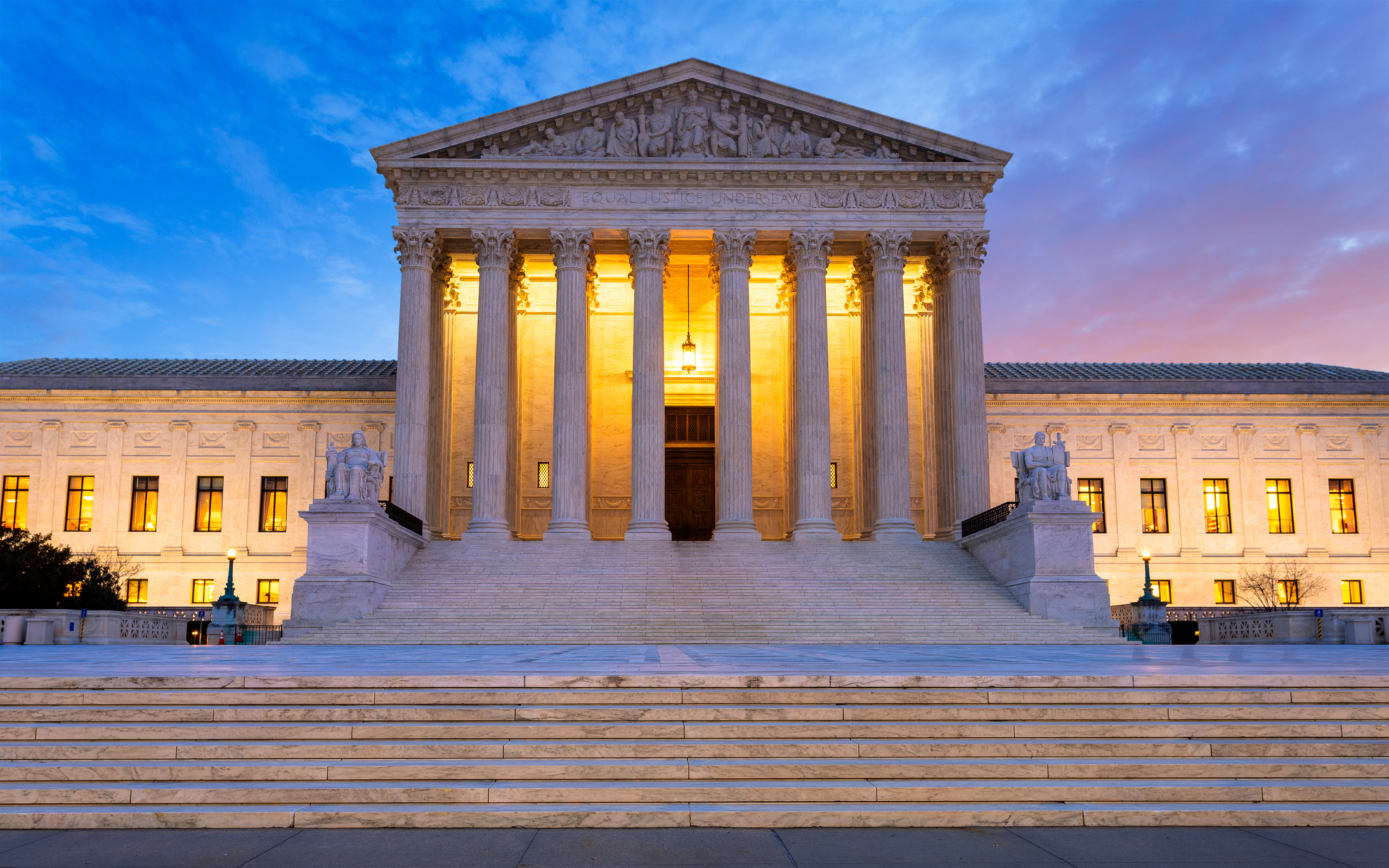
Apple Went to the Highest Court It Could Find. That Tells You Everything.
When a contempt ruling sends you to the Supreme Court, you're not defending a policy anymore — you're defending a worldview.
From the other desks.
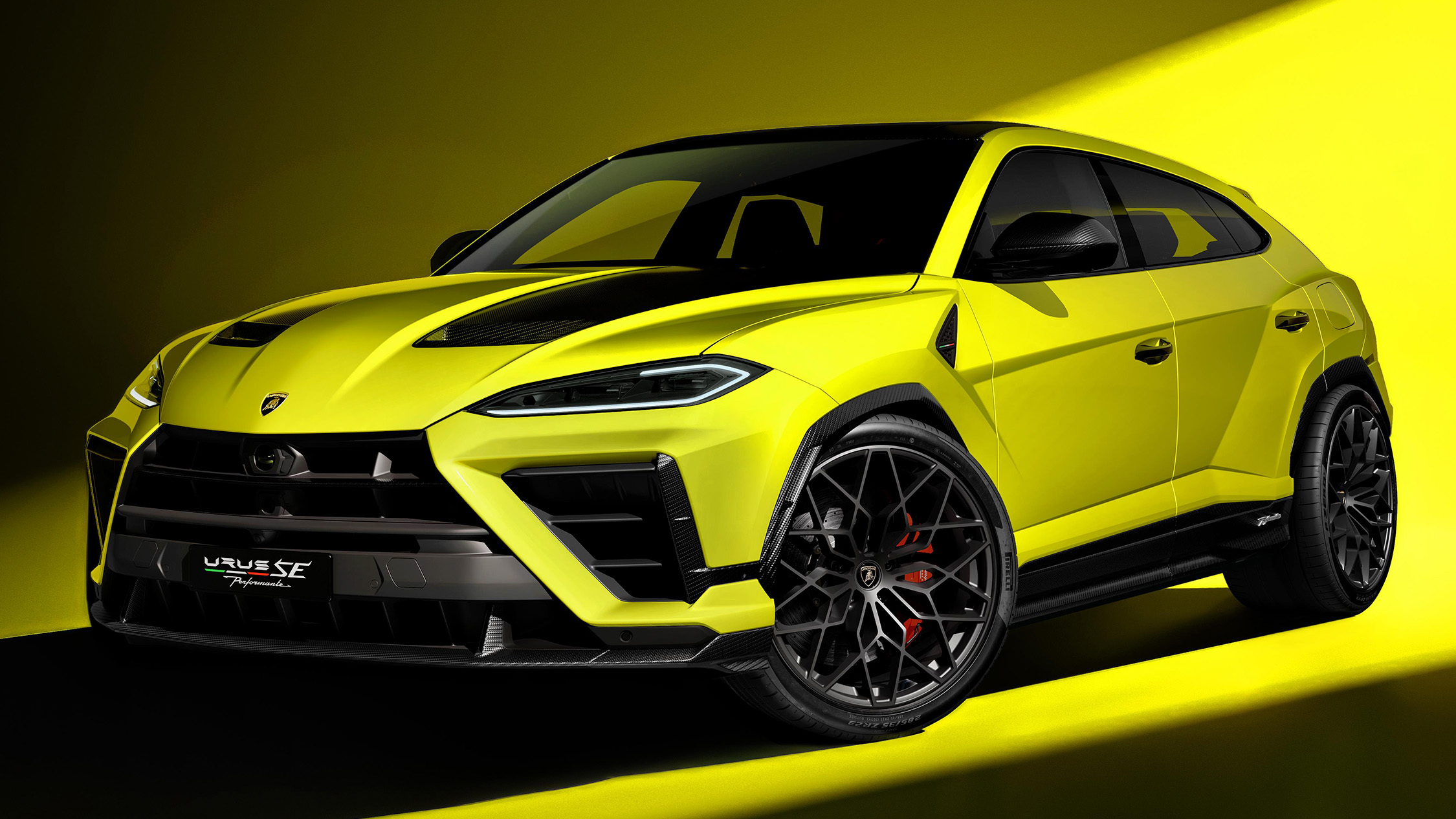
800 Horsepower, One Ton of Doubt
Lamborghini built the most powerful SUV it's ever made. It's also slower than what it replaced.
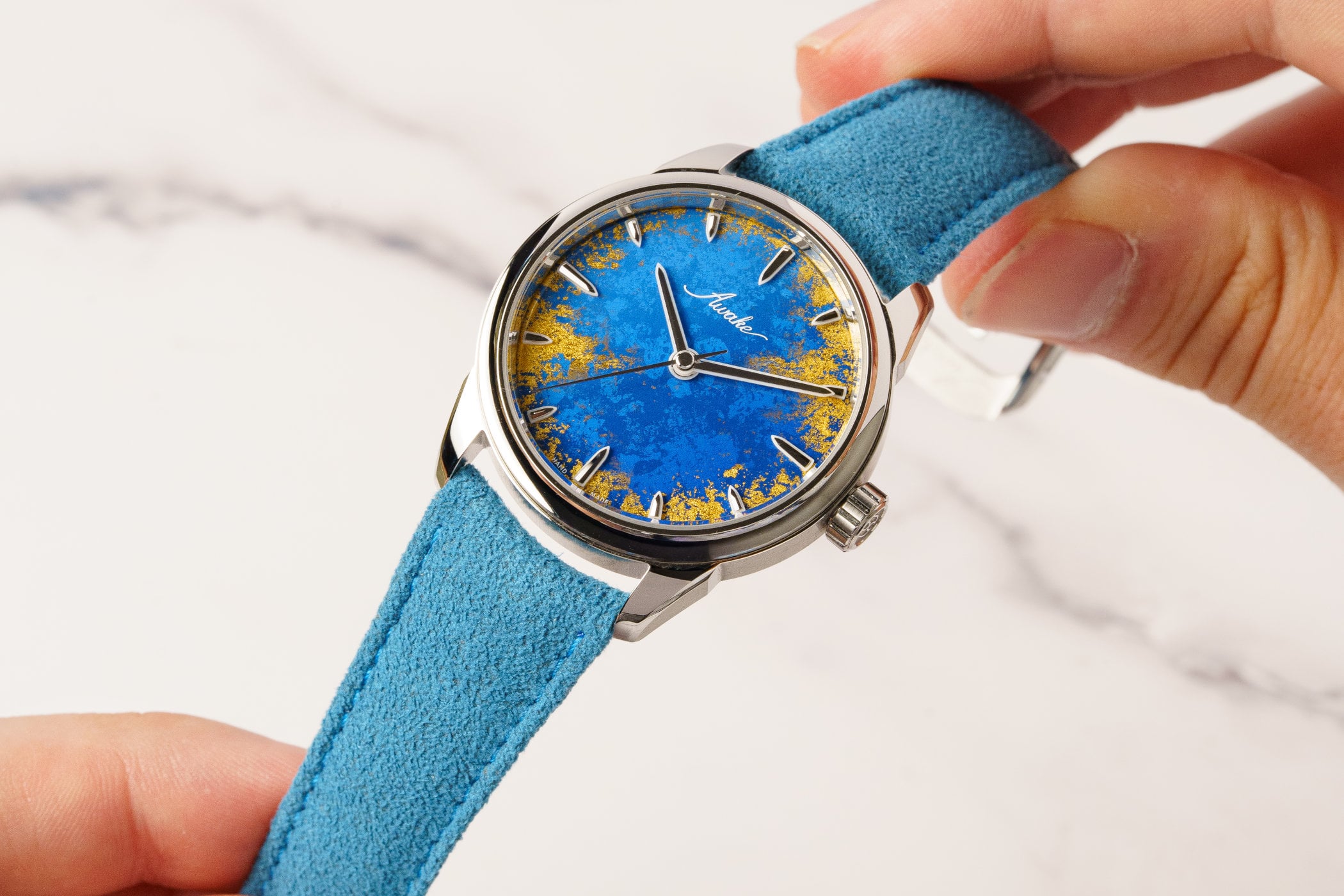
Gold Leaf on a Lacquer Dial, and the Weight of What That Costs
Awake's Frosted Leaf Royal Blue asks a question Vietnamese craft has never quite had to answer at this price.
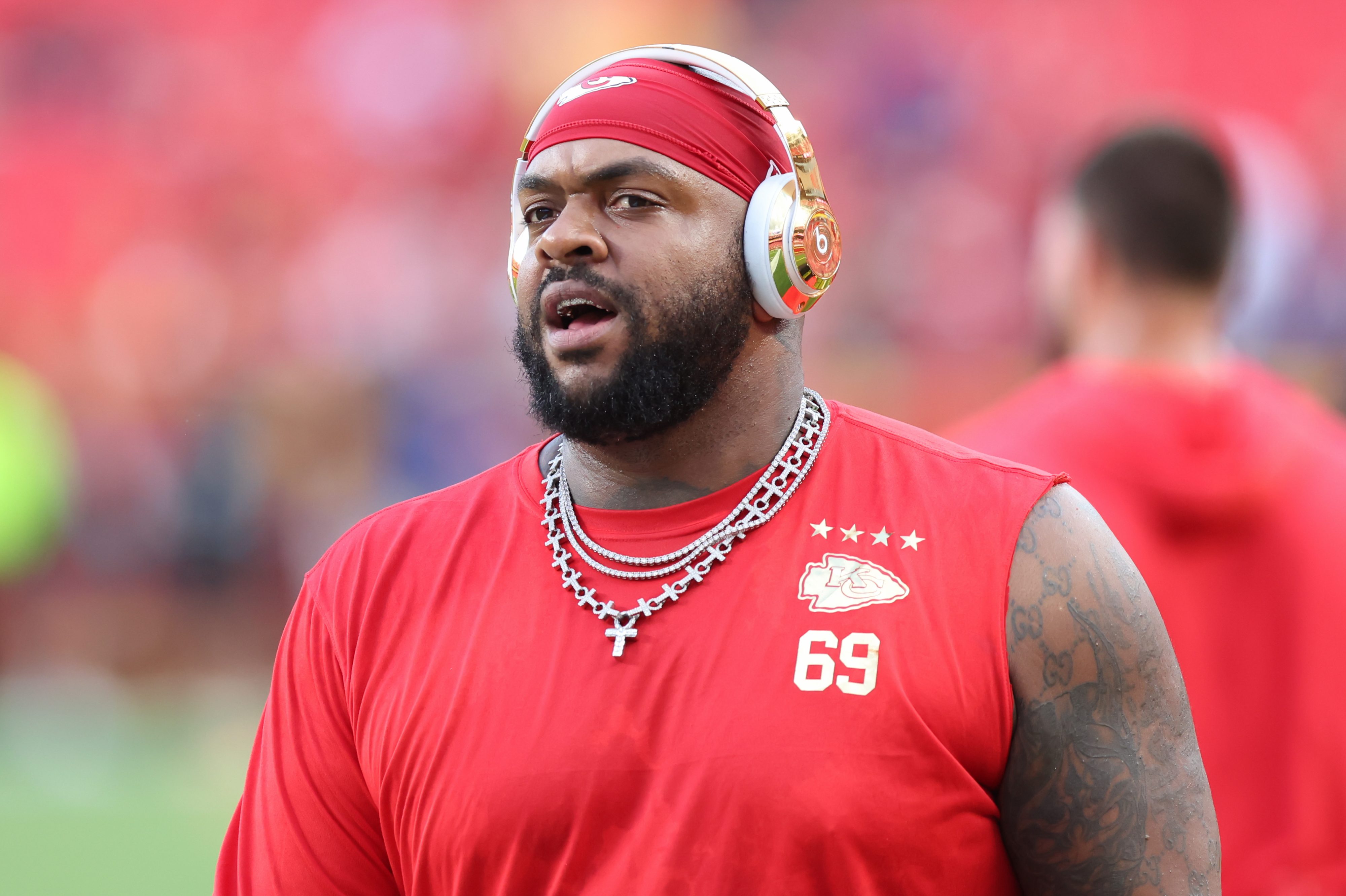
ESPN Named Him. Then Unnamed Him. Nobody's Explaining the Gap.
A retraction without a reckoning is just a deleted link.