OpenAI Released the Model. The Request Is Still Sitting There.
The White House asked for a stagger. GPT-5.6 came out anyway. Figure out what that means.

Photo · The Verge
There's a specific kind of meaninglessness that only governments can produce: the formal request that changes nothing except the paper trail.
Less than 24 hours after news broke that OpenAI would stagger its next model release at the request of the Trump administration, GPT-5.6 arrived anyway — in limited preview, yes, but arrived. The Verge clocked the timeline. You don't need to squint at it. The ask and the release exist in basically the same news cycle.
Three Models, One Uncomfortable Subtext
The suite has names now, which is a thing companies do when they want the product to feel like a family rather than a version number. Sol is the flagship. Terra handles high-volume work. Luna is the fast, affordable everyday option. According to OpenAI, the models are built for coding, cybersecurity, and biology — and for staying on task during what the company calls long-horizon agentic AI tasks, the kind where the model operates with sustained autonomy over time.
On pricing: Sol comes in at $5 per million input tokens and $30 per million output tokens. The Verge noted that's nearly half the cost of Anthropic's Claude Fable 5. That comparison lands harder when you remember that Wired reported Anthropic had to take its most advanced models offline two weeks before this — also at government nudging. One company pulled back. The other released. Same political climate. Different outcomes. Draw whatever inference you'd like.
The Credibility Math Doesn't Work
Here's what the coverage, read together, actually adds up to: the rollout to customers won't be as straightforward as previous updates to ChatGPT and Codex, per 9to5Mac. So something is genuinely staggered. The White House got a stagger. It just didn't get the one that reads like a pause.
This is the governance credibility problem dressed in a blazer and pretending it's a press release. When a government makes an informal ask and a company responds with a limited preview released within 24 hours, the ask becomes decorative. It exists to be cited later, not to actually slow anything down. Nobody in this story looks bad exactly — OpenAI can say it cooperated, the administration can say it asked — but nobody looks like they're solving a real problem either.
I've watched enough of these cycles to know what comes next: a hearing, a framework, a voluntary commitment, another model release. The machine that builds the machines is not waiting for Washington to figure out what it wants to regulate.
What's new this time is how fast the gap closed between the ask and the ignoring of it. Twenty-four hours is not a stagger. It's a courtesy.
Keep reading tech.

Hide My Email Has Been Showing Your Email
Apple's privacy flagship has a hole in it. They've known for over a year.

Sony Killed the Disc. Sony Is Also Killing the Store.
Two announcements, one company, and a quiet admission that "ownership" was always their word to define.
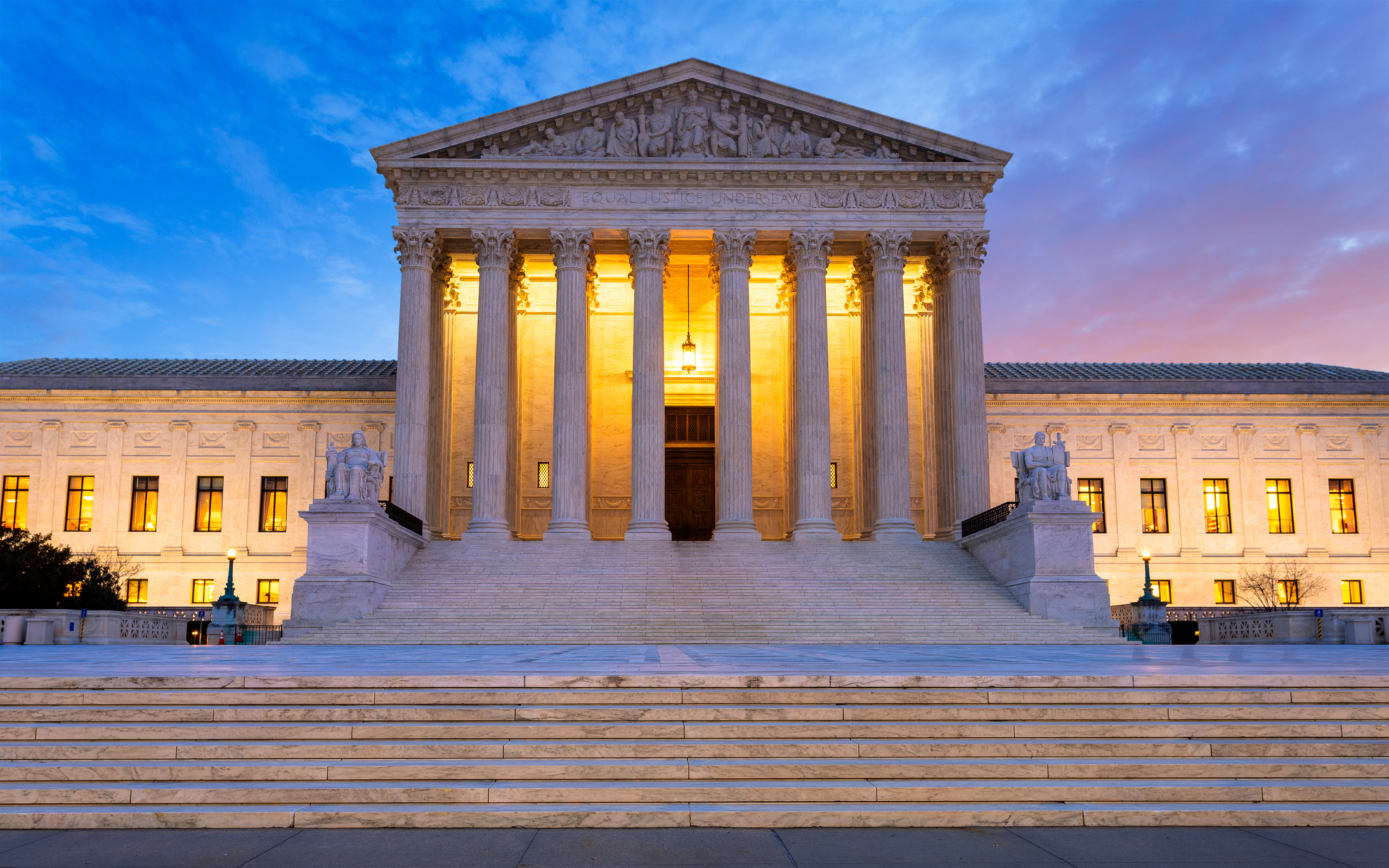
Apple Went to the Highest Court It Could Find. That Tells You Everything.
When a contempt ruling sends you to the Supreme Court, you're not defending a policy anymore — you're defending a worldview.
From the other desks.

800 Horsepower, One Ton of Doubt
Lamborghini built the most powerful SUV it's ever made. It's also slower than what it replaced.

Gold Leaf on a Lacquer Dial, and the Weight of What That Costs
Awake's Frosted Leaf Royal Blue asks a question Vietnamese craft has never quite had to answer at this price.

ESPN Named Him. Then Unnamed Him. Nobody's Explaining the Gap.
A retraction without a reckoning is just a deleted link.