Rome Has Seen Empires Before. That's Why the Pope's AI Letter Hits Different.
The Vatican just published the most coherent critique of Silicon Valley that Silicon Valley will never read.

Photo · The Verge
Here's what makes the Pope's first major document on artificial intelligence genuinely interesting: it's not really about artificial intelligence.
That's not a dismissal. It's the whole observation. One TechCrunch writer made the call plainly — Pope Leo XIV is using AI as a lens to diagnose something older and harder to legislate: concentrated power, democratic erosion, and a class of technologists who have quietly assumed the authority to reshape civilization without asking civilization first. The Verge covers the document's scope — Magnifica Humanitas, released Monday, addresses AI-powered warfare, labor displacement, and the urgent need for legal and ethical frameworks that simply don't exist yet. But the two pieces together tell you something neither quite says alone.
The institution that has outlasted every empire it ever criticized just looked at the current moment and said: we've seen this before, and it doesn't end well.
What the Document Actually Says
According to The Verge, Pope Leo's encyclical — a formal open letter from the Catholic Church, the kind of document that carries doctrinal weight — centers on what he calls safeguarding the human person in the time of artificial intelligence. He's concerned with human dignity under economic and social disruption. He wants new frameworks. He's worried about what rapid AI adoption is doing to people without adequate protections in place.
That's a specific set of concerns. And it's notable that a 2,000-year-old institution is being more precise about the harms than most regulatory bodies currently operating.
But TechCrunch's framing is where it gets sharper: this isn't primarily a tech policy paper with a papal seal. It's a power diagnosis. The real target isn't the algorithm. It's the people who deploy algorithms to concentrate influence, and the structures that let them do it without accountability. That's a different conversation than the one most AI coverage is having.
The Gap Nobody Wants to Name
Silicon Valley has been selling disruption as a moral good for long enough that the pitch has become invisible. Move fast, break things, let the market sort it out, the technology is neutral. The Vatican just rejected all of that in a single document — not as a reactionary reflex, but as an institutional memory play. Empires that controlled information, labor, and military power without ethical constraint tend to appear in history books under unflattering headings.
What's striking is the contrast in institutional posture. Tech companies announce products. They hold keynotes. They publish blog posts about responsible AI while the engineers who wrote the safety papers quietly leave. The Catholic Church, meanwhile, just published a document that will be translated into dozens of languages, read in parishes across the developing world, and studied by ethicists for years. Whatever you think of the institution, that's a different kind of reach than a press release.
The Pope is not anti-technology. That would be the easy misread. He's anti-unaccountability. There's a difference, and it's one the industry has been working hard to collapse.
The encyclical won't write the regulations. It won't slow the investment cycle or pause the model releases. But it does something that feels increasingly rare right now: it treats the question of who benefits and who bears the cost as a moral question, not an engineering problem to be optimized later.
Institutions that have buried emperors tend to take the long view. That's not comfort. It's a warning.
Keep reading tech.

Hide My Email Has Been Showing Your Email
Apple's privacy flagship has a hole in it. They've known for over a year.

Sony Killed the Disc. Sony Is Also Killing the Store.
Two announcements, one company, and a quiet admission that "ownership" was always their word to define.
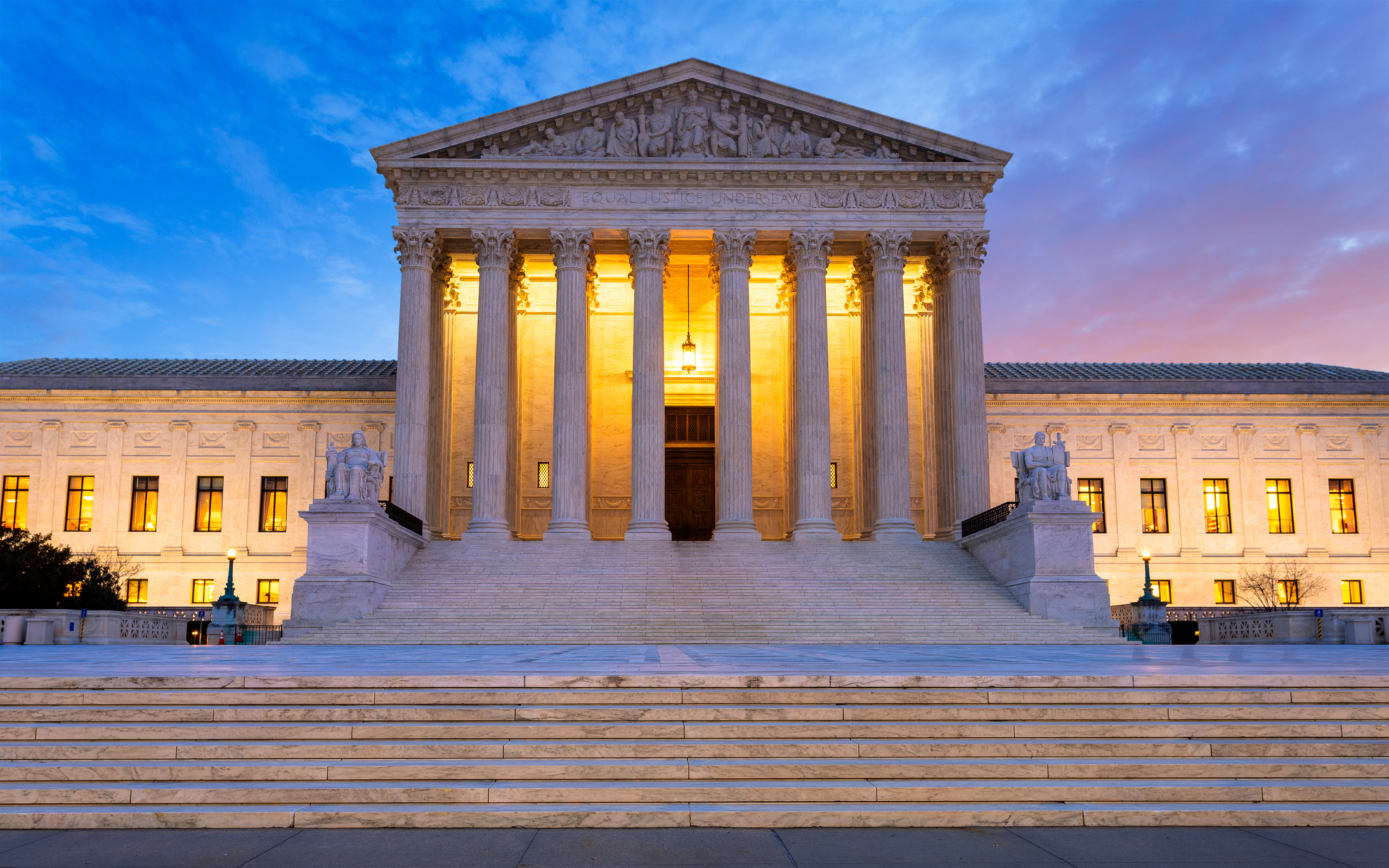
Apple Went to the Highest Court It Could Find. That Tells You Everything.
When a contempt ruling sends you to the Supreme Court, you're not defending a policy anymore — you're defending a worldview.
From the other desks.

800 Horsepower, One Ton of Doubt
Lamborghini built the most powerful SUV it's ever made. It's also slower than what it replaced.

Gold Leaf on a Lacquer Dial, and the Weight of What That Costs
Awake's Frosted Leaf Royal Blue asks a question Vietnamese craft has never quite had to answer at this price.

ESPN Named Him. Then Unnamed Him. Nobody's Explaining the Gap.
A retraction without a reckoning is just a deleted link.