Samsung Paid the Tuition. Apple's Just Waiting for the Diploma.
A delayed foldable iPhone isn't a stumble — it's the most Apple thing Apple has ever done.
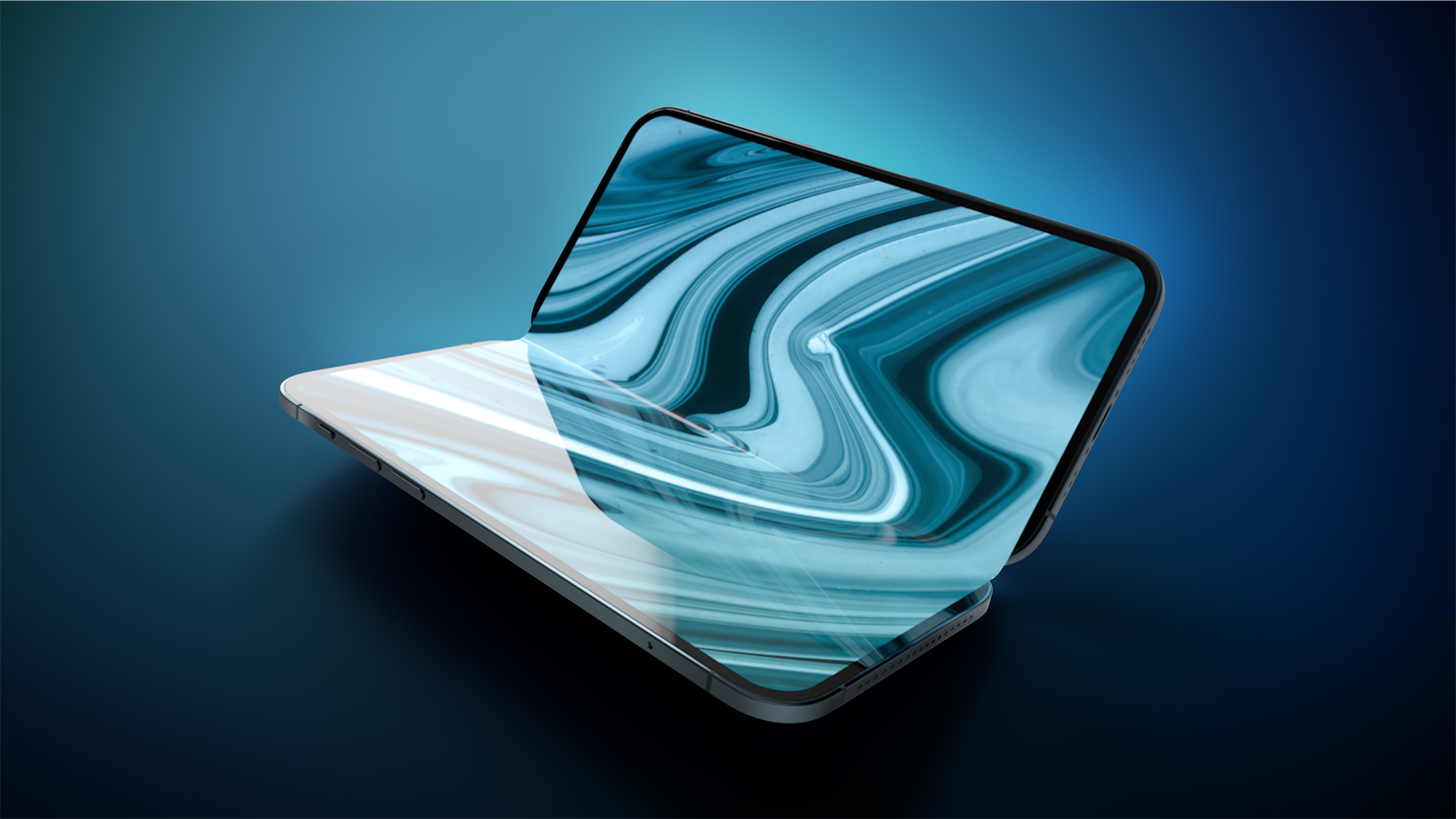
The foldable iPhone is running late. Good.
Samsung has been creasing, cracking, and quietly patching its way through foldable hardware since 2019. Early Galaxy Fold owners got devices that failed within days of unboxing — screens delaminating, hinges seizing, the whole promise collapsing in real time. The reviews were brutal. The returns were real. Samsung fixed it, slowly, across generations, using paying customers as the test population. That's not a criticism — it's just how first-mover physics work. Someone has to absorb the cost of figuring out what a new category actually needs to be.
Samsung volunteered. Apple let them.
The Crease Problem Is the Whole Problem
The crease is what everyone who owns a foldable eventually admits to. It's there. You see it in certain light. You feel it under your thumb. The Galaxy Z Fold 6 is genuinely impressive hardware — and the crease is still the first thing people mention when you hand it to someone who's never used one. That's not a minor cosmetic issue. That's the category's central unsolved problem, and it's been unsolved for six years.
Apple has reportedly been wrestling with exactly this. The display technology required to make a fold line disappear — or come close enough that no one leads with it — is not a software patch. It's materials science. It's hinge geometry. It's the kind of engineering that doesn't compress on a schedule. Reports of production delays point to complexity that's taking longer than suppliers anticipated. That's the work. That's what it looks like when a company refuses to ship the thing until the thing is ready.
The alternative is shipping it anyway. Apple has done that before — Maps at launch, the original butterfly keyboard, the first-generation AirPods Max headband. Each one left a mark. A foldable iPhone that ships with an obvious crease, or a hinge that develops play after six months, wouldn't just be a bad product cycle. It would be a referendum on whether Apple still deserves the benefit of the doubt.
2027 Is the Right Answer to the Wrong Question
The wrong question is: why is Apple so far behind? The right question is: behind what, exactly? Behind Samsung's learning curve? Behind the category's unsolved problems? Being behind those things isn't a disadvantage. It's the point.
Apple's entire value proposition lives in the unboxing. Not the spec sheet — the experience of picking it up for the first time and feeling like the people who made it thought of everything. That impression is fragile. It takes one noticeable flaw, one thing that feels unfinished, to break it. And foldables are full of things that can feel unfinished, because the category is still, genuinely, unfinished.
By 2027, Samsung will have iterated through at least two more generations. The hinge suppliers will have solved problems they haven't encountered yet. The display manufacturers will have another two years of yield improvements. Apple will have watched all of it, run it through their own engineering, and — if their track record means anything — come out with something that doesn't feel like a first attempt.
That's not patience as a virtue. That's patience as a competitive strategy.
The people who've been waiting four years can wait one more. What they can't afford is to wait four years and then get something that makes them wish they'd waited longer.
Keep reading tech.

Hide My Email Has Been Showing Your Email
Apple's privacy flagship has a hole in it. They've known for over a year.

Sony Killed the Disc. Sony Is Also Killing the Store.
Two announcements, one company, and a quiet admission that "ownership" was always their word to define.
Apple Went to the Highest Court It Could Find. That Tells You Everything.
When a contempt ruling sends you to the Supreme Court, you're not defending a policy anymore — you're defending a worldview.
From the other desks.

800 Horsepower, One Ton of Doubt
Lamborghini built the most powerful SUV it's ever made. It's also slower than what it replaced.

Gold Leaf on a Lacquer Dial, and the Weight of What That Costs
Awake's Frosted Leaf Royal Blue asks a question Vietnamese craft has never quite had to answer at this price.

ESPN Named Him. Then Unnamed Him. Nobody's Explaining the Gap.
A retraction without a reckoning is just a deleted link.