Silicon Valley Doesn't Fear Its Own Punchline Anymore
AMC built a satire to skewer the tech elite. The tech elite will probably watch it on a second screen while closing a funding round.

Photo · WIRED
There's a specific kind of futility in writing a villain who has already read the script.
AMC's The Audacity — a black comedy about a manchild tech titan in freefall — is getting exactly the reception prestige satire usually gets: praise from Wired, buzz on the timeline, a general consensus that yes, this is the takedown Silicon Valley deserves. And maybe it is. The show sounds sharp. The target is real. The timing is, in the loosest sense, right.
But here's what nobody wants to say out loud: the tech industry stopped being embarrassed by its own caricature sometime around the third consecutive news cycle where the caricature turned out to be underwritten.
The Joke That Landed Somewhere Else
Wired called it a skewering the billionaire class deserves. That framing tells you something — not about the show, but about the audience it's written for. Deserves is a moral word. It implies consequence, reckoning, some transfer of shame from screen to subject. But the people being satirized have spent the last decade learning that visibility, even mocking visibility, is just another form of leverage. They've absorbed the lesson. Being the villain in a prestige drama is, at this point, practically a brand positioning move.
The show doesn't need to be bad for this to be true. It just needs to be watched by the wrong people for the right reasons.
And then there's the distribution strategy.
Twenty-One Parts on TikTok
AMC is streaming the Audacity premiere in 21 parts on TikTok. TechCrunch asked the obvious question — smart buzz-building, or an odd attempt to recreate Quibi? — and the fact that Quibi entered the conversation at all should give everyone pause. Quibi, for those who've mercifully forgotten, was the short-form streaming venture that raised enormous money, launched with fanfare, and collapsed with a speed that would be embarrassing if the people involved were capable of embarrassment.
So: a show satirizing tech hubris, distributed in a format pioneered by a monument to tech hubris, on a platform that is itself one of the more interesting ongoing experiments in regulatory brinkmanship. The layers here aren't subtle. They're not even trying to be.
What's actually interesting isn't whether the 21-part TikTok premiere is smart or desperate — it might be both — it's that AMC felt the need to perform disruption in order to market a show about disruption. You can call that irony. You can call it inevitability. Either way, the industry being satirized has so thoroughly colonized the methods of cultural distribution that even the satire has to play by its rules.
What Satire Can Still Do
None of this means The Audacity doesn't land. Good writing lands. Specific, human, uncomfortable writing lands — not because it changes the minds of the people in the crosshairs, but because it names something for everyone else. The audience that needs this show isn't the broligarchy. It's the people adjacent to it: the employees, the investors who tell themselves they're different, the journalists who cover it with a mix of awe and unease. Satire has always worked sideways.
But prestige TV has a ceiling that Silicon Valley has already punched through. The industry doesn't respond to being mocked. It responds to being ignored, and nobody is ignoring it.
A show can be the takedown its subject deserves and still leave its subject completely untouched. Those two things coexist now. That's not a failure of craft. That's just the current physics.
The audacity, it turns out, is thinking the punchline still stings.
Keep reading tech.

Hide My Email Has Been Showing Your Email
Apple's privacy flagship has a hole in it. They've known for over a year.

Sony Killed the Disc. Sony Is Also Killing the Store.
Two announcements, one company, and a quiet admission that "ownership" was always their word to define.
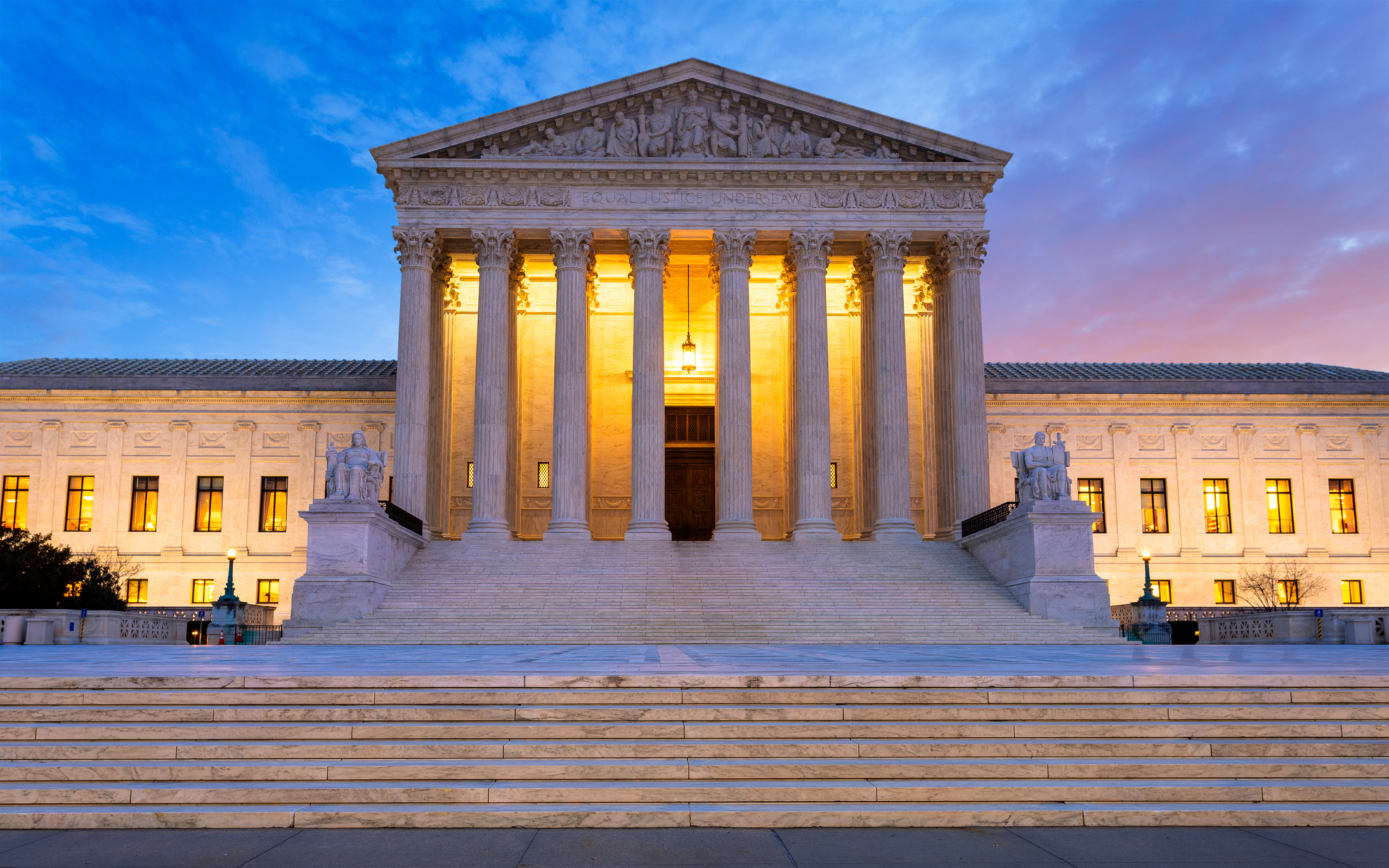
Apple Went to the Highest Court It Could Find. That Tells You Everything.
When a contempt ruling sends you to the Supreme Court, you're not defending a policy anymore — you're defending a worldview.
From the other desks.

800 Horsepower, One Ton of Doubt
Lamborghini built the most powerful SUV it's ever made. It's also slower than what it replaced.

Gold Leaf on a Lacquer Dial, and the Weight of What That Costs
Awake's Frosted Leaf Royal Blue asks a question Vietnamese craft has never quite had to answer at this price.

ESPN Named Him. Then Unnamed Him. Nobody's Explaining the Gap.
A retraction without a reckoning is just a deleted link.