Silicon Valley's Infrastructure Ambitions Keep Losing to Zoning Boards
A writer at 404 Media catalogued every community that said no to a data center — and the list is longer than anyone expected.
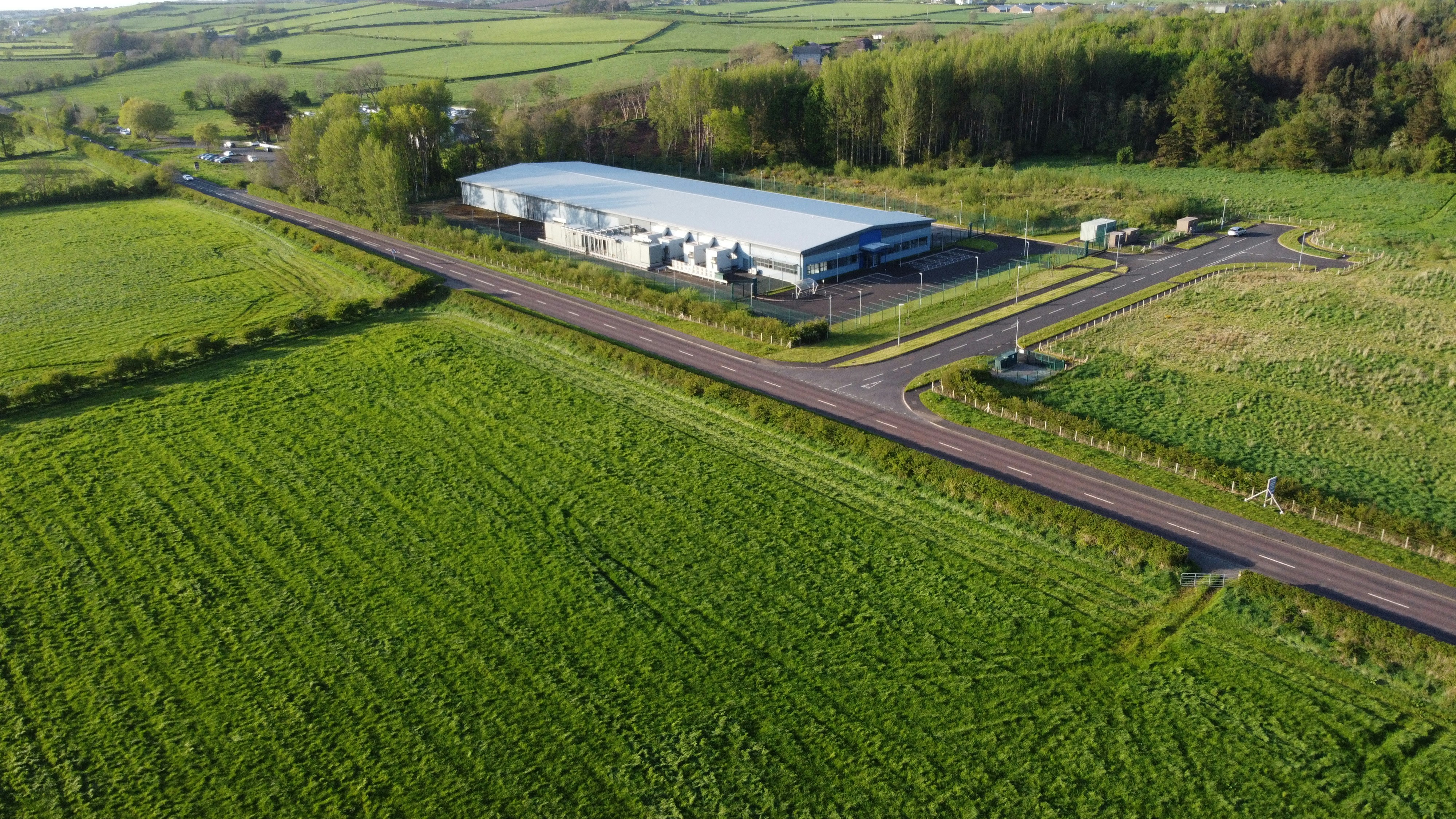
Photo · 404 Media
There's a version of the tech industry story where the infrastructure always wins. Land is acquired, permits are filed, construction begins, and whatever was there before — farmland, quiet suburbs, a town's sense of itself — recedes into the background noise of progress. The version 404 Media just published suggests that story has been getting interrupted more often than the industry would like to admit.
A writer there assembled what they call an incomplete list of successful anti-data center legislation. The incompleteness is part of the point. This isn't a comprehensive academic survey — it's a signal. Communities across the country have been pushing back against data center development, and enough of them have actually won that someone could fill a list without trying too hard.
The Thing Nobody Told You About Noise
The headline grievance, according to the piece, is simple: nobody wants to live next to a noisy computer warehouse. Not a complicated objection. Not a philosophical stance on AI or cloud computing or the geopolitics of server farms. Just: this thing is loud, it's large, it runs constantly, and it is not what we signed up for when we bought property here.
There's something almost clarifying about that. The tech industry has spent years building narratives around data centers — essential infrastructure, the backbone of the digital economy, the invisible machinery that makes modern life work. All of that may be true. None of it changes what it sounds like at 2 a.m. when you're trying to sleep.
Local opposition movements tend to get treated as NIMBY noise in the press. The 404 Media piece is doing something quieter and more useful: documenting that the noise actually works sometimes. Legislation passed. Projects blocked. Moratoria enacted. The list exists, and it keeps growing.
What the List Actually Reveals
The more interesting observation isn't that communities are fighting back — it's that they're winning through the most unglamorous mechanisms available. Zoning boards. Local councils. State legislatures. The slow, grinding machinery of civic process that tech companies have generally assumed they could outpace, outspend, or simply wait out.
That assumption may need revisiting. The data center buildout has accelerated sharply in recent years, driven by AI infrastructure demand, and with that acceleration has come visibility. These aren't abstract facilities anymore. They're showing up in places where people notice them, where the power draw strains local grids, where the noise ordinances weren't written to account for industrial cooling systems running around the clock.
When something gets big enough to affect people's daily lives, the calculus changes. You can outspend a lobbying effort in a state capital and still lose a vote in a county commission meeting. Scale works against you at that level — the bigger the footprint, the more people have a reason to show up.
I keep returning to the word "incomplete" in the piece's title. It's doing real work there. It's not modesty — it's an invitation. The writer isn't claiming to have mapped the full landscape. They're suggesting the full landscape is larger than any of us realized, and probably still growing.
The tech industry built its identity around moving faster than regulation could follow. For a long time, that was accurate. What 404 Media is quietly documenting is the moment when some of the regulation started keeping up — not at the federal level, not through sweeping legislation, but precinct by precinct, county by county, in the kind of rooms where decisions get made by people who have to live with them.
Turns out local power doesn't need to win everywhere. It just needs to win enough.
Keep reading tech.

Hide My Email Has Been Showing Your Email
Apple's privacy flagship has a hole in it. They've known for over a year.

Sony Killed the Disc. Sony Is Also Killing the Store.
Two announcements, one company, and a quiet admission that "ownership" was always their word to define.
Apple Went to the Highest Court It Could Find. That Tells You Everything.
When a contempt ruling sends you to the Supreme Court, you're not defending a policy anymore — you're defending a worldview.
From the other desks.

800 Horsepower, One Ton of Doubt
Lamborghini built the most powerful SUV it's ever made. It's also slower than what it replaced.

Gold Leaf on a Lacquer Dial, and the Weight of What That Costs
Awake's Frosted Leaf Royal Blue asks a question Vietnamese craft has never quite had to answer at this price.

ESPN Named Him. Then Unnamed Him. Nobody's Explaining the Gap.
A retraction without a reckoning is just a deleted link.