Six Hundred Thousand Units and a Faster Chip Later, Apple Blinked
The Vision Pro isn't dead because Apple failed to execute — it's dead because Apple finally stopped pretending execution was the problem.
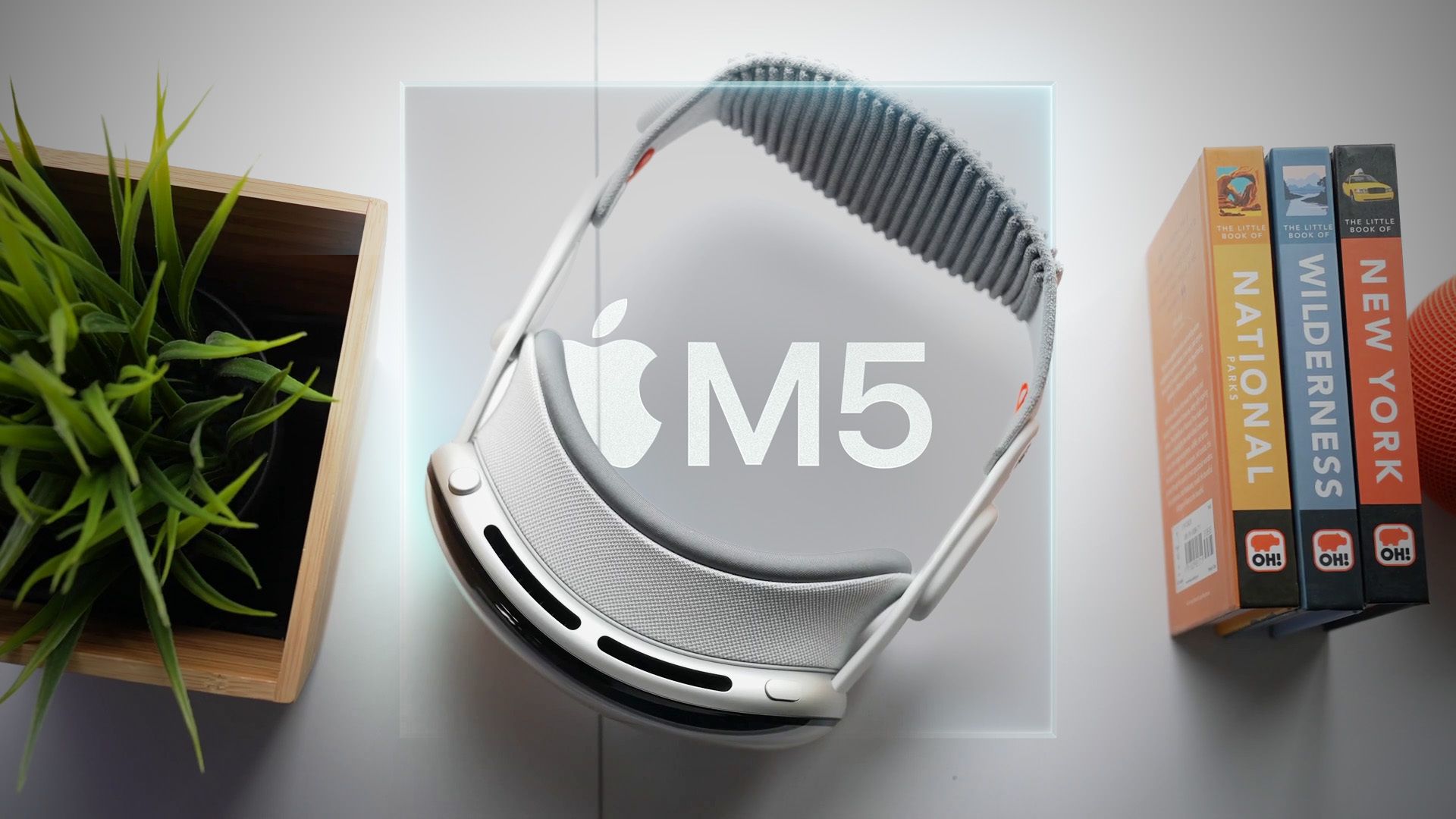
There's a version of this story where the M5 chip saves everything. Faster refresh rate, smoother pixels, a new band that distributes 1.3 pounds of headset across your skull in a slightly less punishing way. Apple ships the update, the reviews soften, the returns slow down, the category catches fire. That version didn't happen.
According to MacRumors, the M5 refresh landed in October 2025 with a 120Hz display, roughly 10 percent more rendered pixels, about 30 extra minutes of battery life, and a price tag that didn't move from $3,499. Consumers still weren't interested. The device has reportedly sold around 600,000 units total — a number that, for any other product category, might signal a niche hit. For something Apple positioned as the future of computing, it signals something closer to a quiet withdrawal.
Apple has, per MacRumors, all but given up on the Vision Pro.
The Chip Was Never the Variable
Here's what both reports, taken together, keep circling without quite landing on: the M5 upgrade was Apple doing the only thing it knew how to do. Make it faster. Make it marginally more comfortable. Hold the price. Ship it and see.
The problem is that nobody was waiting for faster. The weight wasn't a spec problem — it was a behavioral one. You can redistribute 1.3 pounds with a better band, but you cannot engineer away the fundamental weirdness of strapping a computer to your face in your living room. The use case never materialized into habit, and habit is the only thing that turns a device into a category.
What's interesting is that Tom's Hardware flags Apple's continued hiring into its Vision Products Group even as the product itself appears to be winding down. Which is either Apple hedging its bets on a future version nobody has seen yet, or the organizational inertia of a company that built a whole team around a bet that didn't pay. Both are plausible. Neither is reassuring.
The Real Admission
Apple rarely concedes. It discontinues, repositions, quietly stops talking about things at keynotes. The Vision Pro's fade follows that pattern, but the subtext is louder than usual: spatial computing was a wager, not a verdict. Apple placed it, the market responded with indifference, and now we find out whether the company has another hand to play or whether it books the loss and moves on.
Three thousand five hundred dollars for a first-generation device with a weight problem and a software ecosystem that never quite filled out — in retrospect, the math was always going to be hard. But the more interesting failure isn't commercial. It's conceptual. Apple convinced itself, and tried to convince everyone else, that the category existed and just needed the right product to unlock it. What the Vision Pro actually proved is that the category was hypothetical, and a faster chip doesn't make a hypothesis true.
Six hundred thousand units is what happens when a company confuses ambition with demand.
Keep reading tech.

Hide My Email Has Been Showing Your Email
Apple's privacy flagship has a hole in it. They've known for over a year.

Sony Killed the Disc. Sony Is Also Killing the Store.
Two announcements, one company, and a quiet admission that "ownership" was always their word to define.

Apple Went to the Highest Court It Could Find. That Tells You Everything.
When a contempt ruling sends you to the Supreme Court, you're not defending a policy anymore — you're defending a worldview.
From the other desks.

800 Horsepower, One Ton of Doubt
Lamborghini built the most powerful SUV it's ever made. It's also slower than what it replaced.

Gold Leaf on a Lacquer Dial, and the Weight of What That Costs
Awake's Frosted Leaf Royal Blue asks a question Vietnamese craft has never quite had to answer at this price.

ESPN Named Him. Then Unnamed Him. Nobody's Explaining the Gap.
A retraction without a reckoning is just a deleted link.