Snap Built AR Glasses for a Decade. They Cost $2,195.
The hardware is real. The audience is still theoretical.

Photo · TechCrunch
There's a version of this story where the price is the whole thing. But that would be too easy.
Snap's new Specs AR glasses are here after what multiple outlets describe as over a decade of development, and they land at $2,195. That number isn't a typo and it isn't a placeholder. It's a statement — about where the company thinks this category lives, and about who gets to decide whether it survives.
What You're Actually Buying
According to MacRumors, the glasses are built from Swiss TR90 polymer that Snap calls "plastic titanium" — a phrase doing a lot of work for something that still sounds like plastic. The 47mm frame weighs 132 grams, the 52mm weighs 136 grams. Prescription lenses can be swapped in and out, which is a genuinely practical detail that usually gets buried under the spec sheet. Inside: two full-color high-resolution cameras, two infrared computer vision cameras, and 6-axis IMUs for inertial sensing. Snapdragon chips handling the compute. Snap describes it as a wearable computer built into see-through glasses, and CEO Evan Spiegel, per WIRED, has laid out a vision for where augmented reality smart glasses are going as a category.
That vision part matters. Because the hardware, taken on its own, is more credible than anything this company has shipped in the wearable space before. The question isn't whether Snap built a real thing. They did. The question is whether a real thing at $2,195 can build a real market.
The Casting Problem
Tom's Guide covered the announcement by showing what the glasses look like on actual humans — Jack Harlow, Imogen Heap, Hoyeon among them. This is a deliberate move. You put the device on faces people already trust, faces that carry cultural weight, and you let the optics do the marketing work. It's a reasonable strategy. It's also a tell. When your launch coverage is anchored by celebrity modeling rather than user testing, you're selling a category more than a product.
And that's not entirely wrong. The first people into any genuinely new hardware category are almost never the people who make it mainstream. They're the people who absorb the pain, the bugs, the social friction of wearing a computer on their face in public, and report back. At $2,195, Snap has priced out a wide swath of that early adopter class — the curious-but-cautious, the developers who'd build for it if they could afford to own it, the people who'd wear it on the subway and answer the inevitable questions.
TechCrunch's headline called it, bluntly: "oof, they aren't cheap." That's the most honest sentence written about this launch.
The trap the AR glasses category keeps falling into is assuming that charging like a finished product while behaving like a prototype is a positioning choice rather than a contradiction. It isn't. It's a wall. A category that can only be experienced by people who can drop $2,195 on something they might return in thirty days doesn't grow — it stalls at the same dinner party, being passed around the same fifteen people, generating the same breathless coverage every eighteen months.
Snap has been here before, in different forms. So has everyone else chasing this. The hardware gets better. The price stays high. The mainstream keeps not arriving.
Sometimes the most expensive part of a new technology isn't the device. It's the wait.
Keep reading tech.

Xreal Wants $99 Now and a Price Later
Android XR finally has a product regular people might actually buy — assuming anyone remembers what they paid to reserve it.

SpaceX Paid $60 Billion to Stop Answering Questions
When a rocket company buys a coding platform, the industry is confessing something it never wanted to say out loud.

A 50 Percent Price Hike Is Not a Value Proposition
Microsoft's Snapdragon X2 Surface refresh tells you everything about who's actually paying for the Copilot Plus dream.
From the other desks.
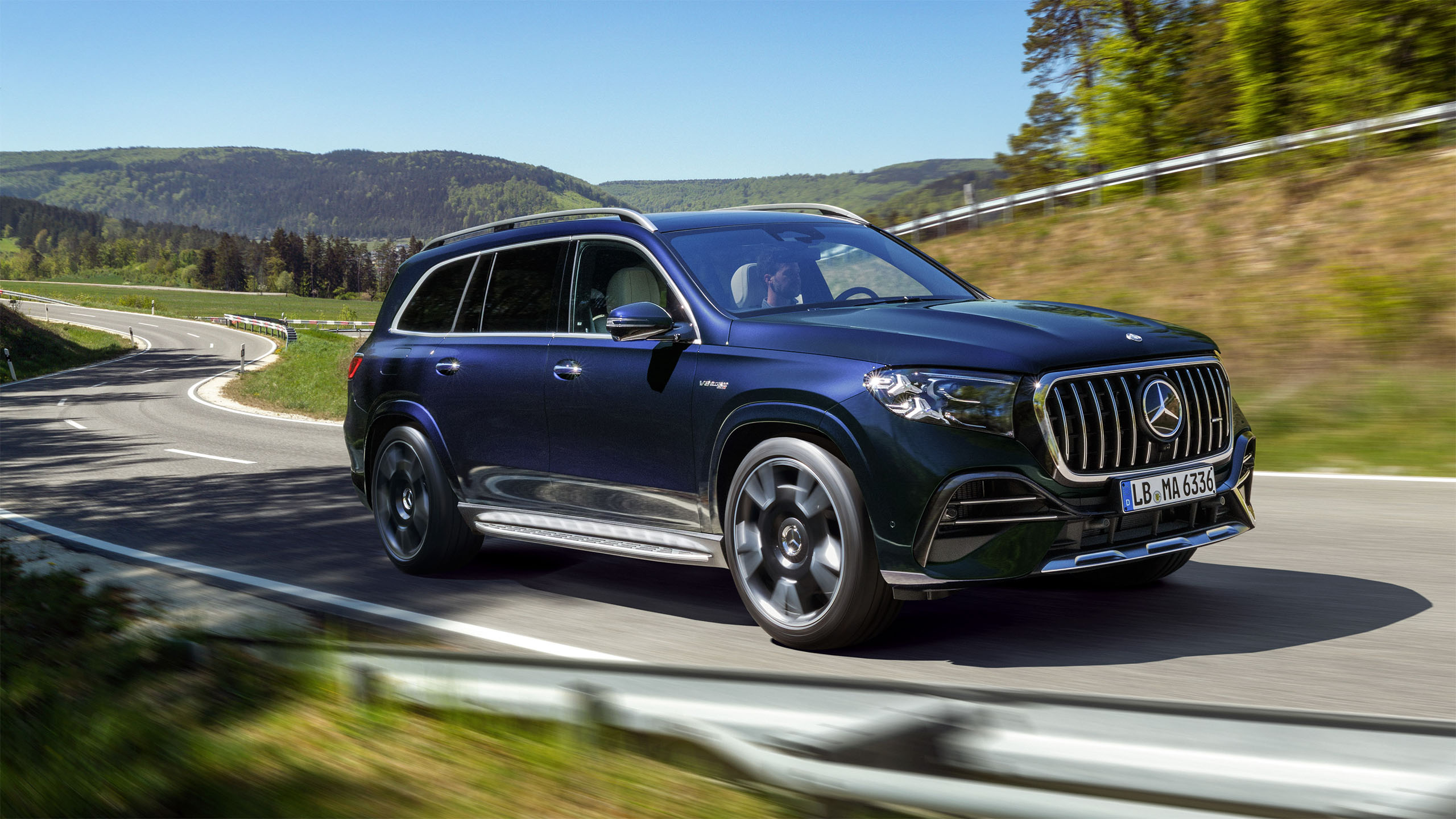
27 Cars, 36 Months, One Engine Worth Arguing About
Mercedes-AMG is flooding the market with V8s and a new six — not because the plan is subtle, but because subtlety lost.
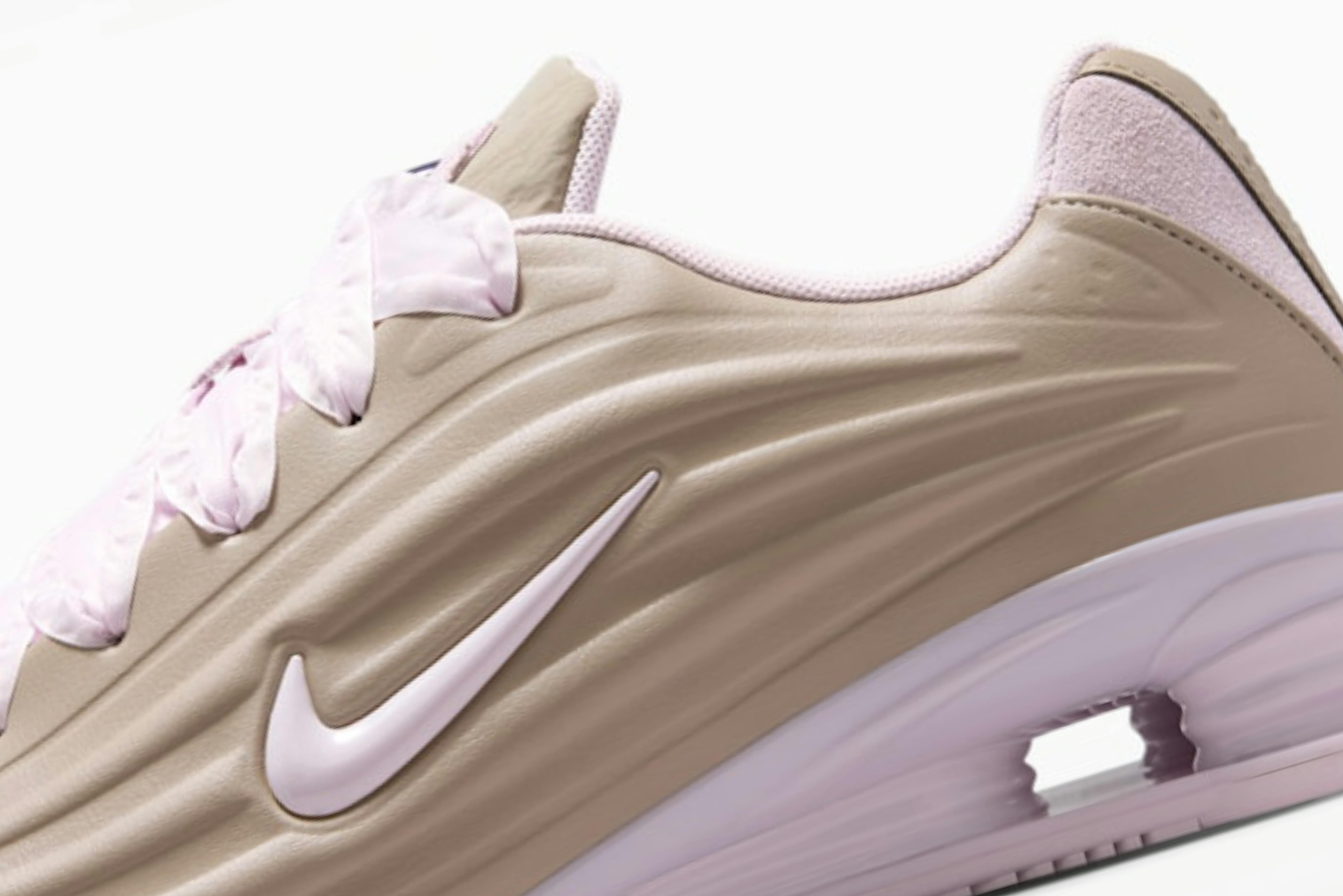
Ribbon Laces on a Shox: Nike Blinks First
When a sneaker built on aggression gets pastel tones and ballet details, something is being answered — the question is what.
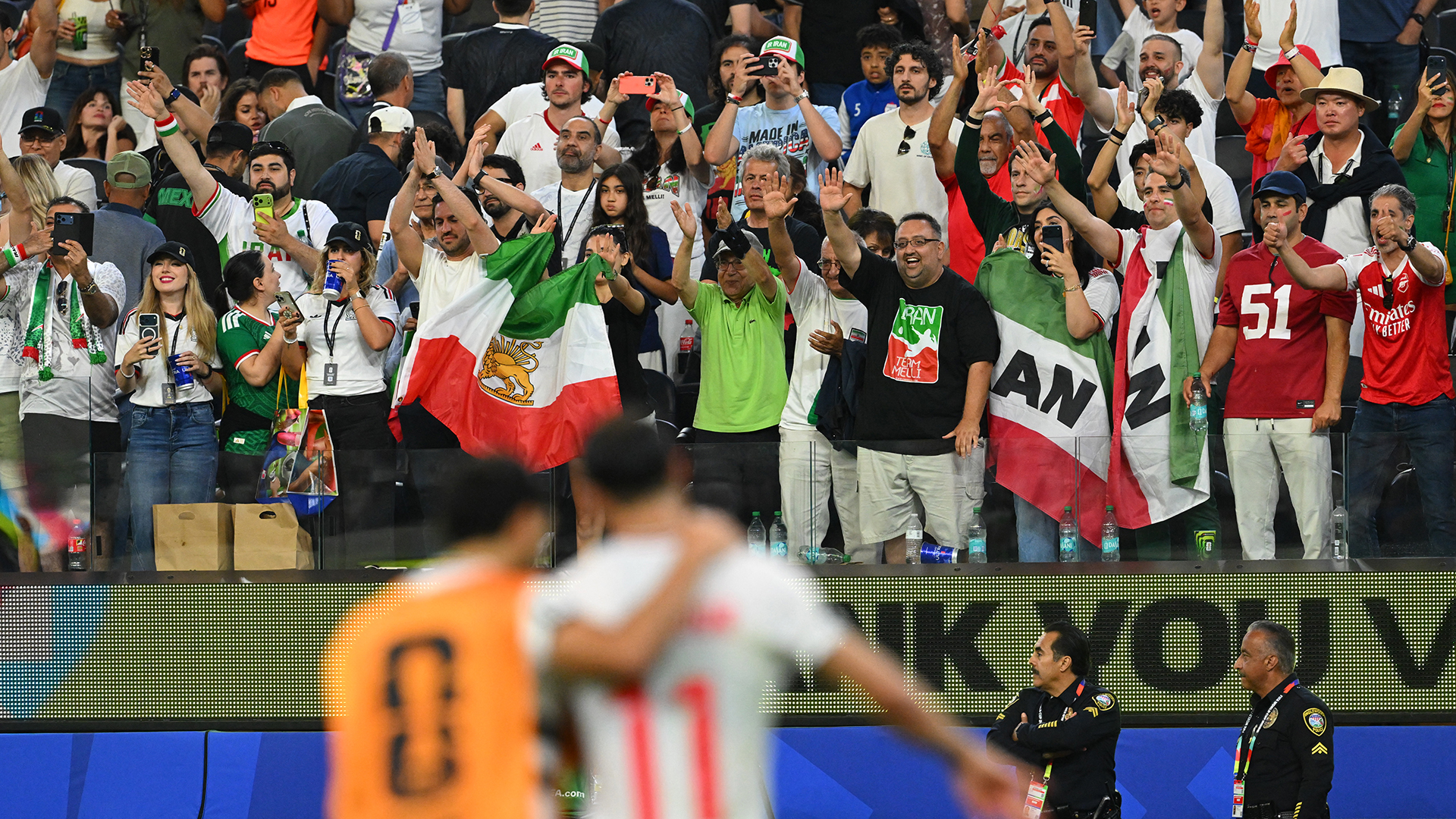
Iran Drew 2-2 and Got Deported Before the Echo Died
Their best match of the tournament ended with a flight home they didn't choose.