Iran Drew 2-2 and Got Deported Before the Echo Died
Their best match of the tournament ended with a flight home they didn't choose.
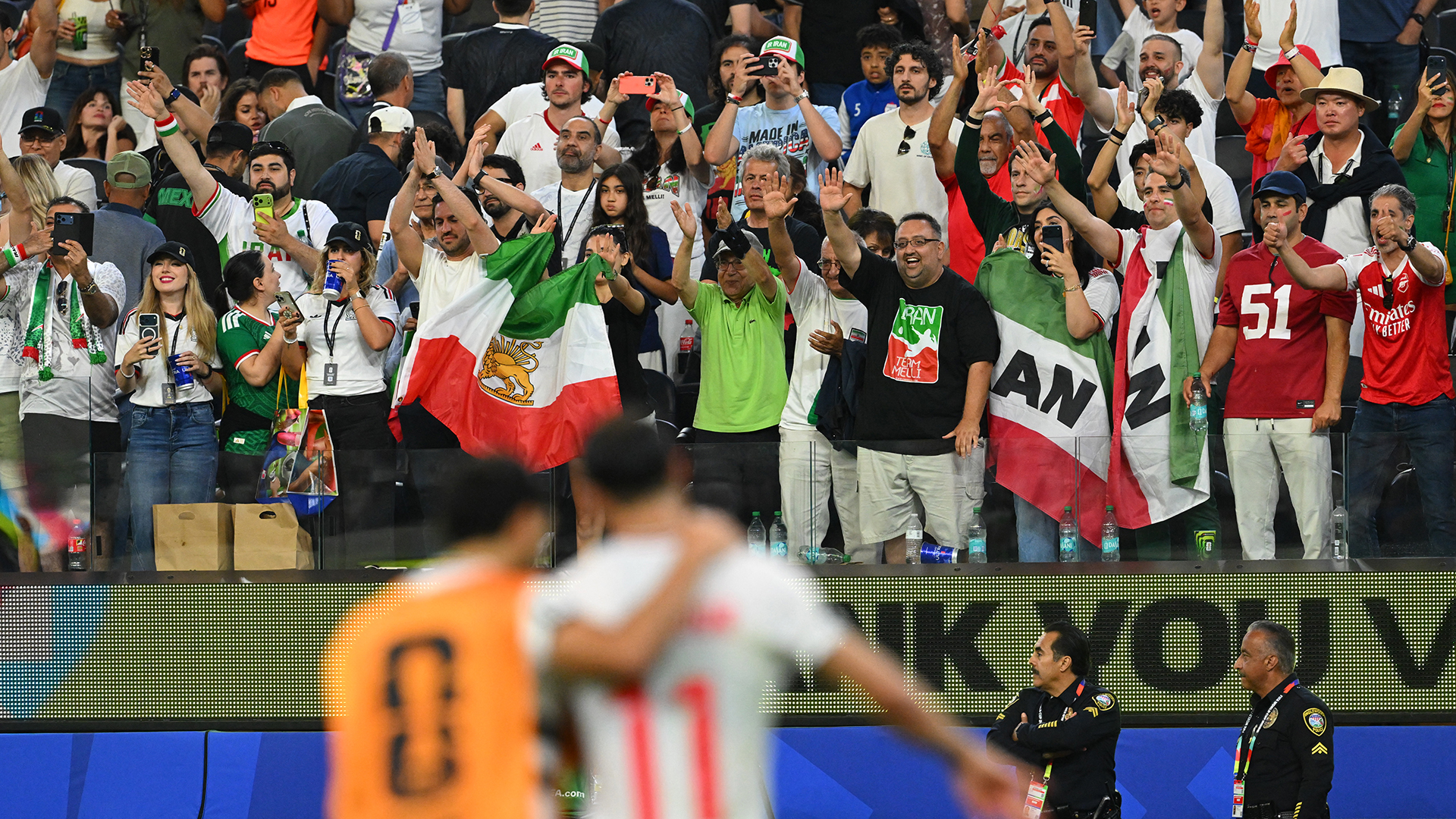
Photo · Defector
There's a version of this story that's only about soccer. A 2-2 draw against New Zealand, described by one outlet at Defector as the best match of the tournament so far. A national team playing at the highest level they'd reached in this World Cup. The kind of result that, in any other context, earns you a night to feel it — the locker room noise, the slow walk back to the hotel, the quiet satisfaction of having competed.
Iran didn't get that night. According to Defector, the team was forced out of the United States immediately after the match.
Sit with that for a second.
The Tournament That Welcomed Everyone Except Them
The World Cup's expansion to 48 teams was sold, in part, as inclusion — more nations, more stories, more of the world getting to say we were there. Defector noted exactly this, gesturing at what a single goal in a 7-1 loss meant for Curaçao, what a draw against Spain meant to Cape Verde. The tournament is supposed to make room for all of it. The underdog moment. The smaller nation punching up. The player who spent a career preparing for ninety minutes on the biggest stage.
For Iran's players, those ninety minutes happened. They delivered. And then the machinery of geopolitics reminded everyone what the actual hierarchy looks like.
This isn't a surprise, exactly. It's a confirmation. The idea that the World Cup exists in some neutral sporting space — that the flags on the field represent only football — has always required a certain willful blindness. What happened to Iran strips that blindness away and doesn't offer a replacement.
They Said It Out Loud
Front Office Sports reported that Iran blasted FIFA after their World Cup opener, with players describing themselves as the "most oppressed" team at the tournament — citing, among other grievances, that they didn't get enough time to recover from travel. That complaint, in isolation, sounds procedural. In context, it reads as a team already aware that the conditions weren't equal, that the welcome wasn't the same, that the neutral ground was never quite neutral for them.
FIFA has built an entire institutional identity around the claim that sport transcends politics. That claim has been tested before — quietly, diplomatically, with enough ambiguity that the organization could maintain it. This is harder to maintain. A team plays the best match of the tournament and gets removed from the country before the crowd has finished filing out.
The tournament didn't pause. The bracket moved. The cameras found the next match.
That's the part that stays with me. Not just that it happened, but how seamlessly it was absorbed — how quickly a genuinely extraordinary footballing moment became a footnote to a political fact that nobody in the sport's governing structure seems willing to name directly.
Iran's players laced up their boots for a World Cup. They drew 2-2 in what one publication called the tournament's best match. They did everything the sport asked of them.
The sport, it turns out, wasn't running the tournament.
Keep reading sports.
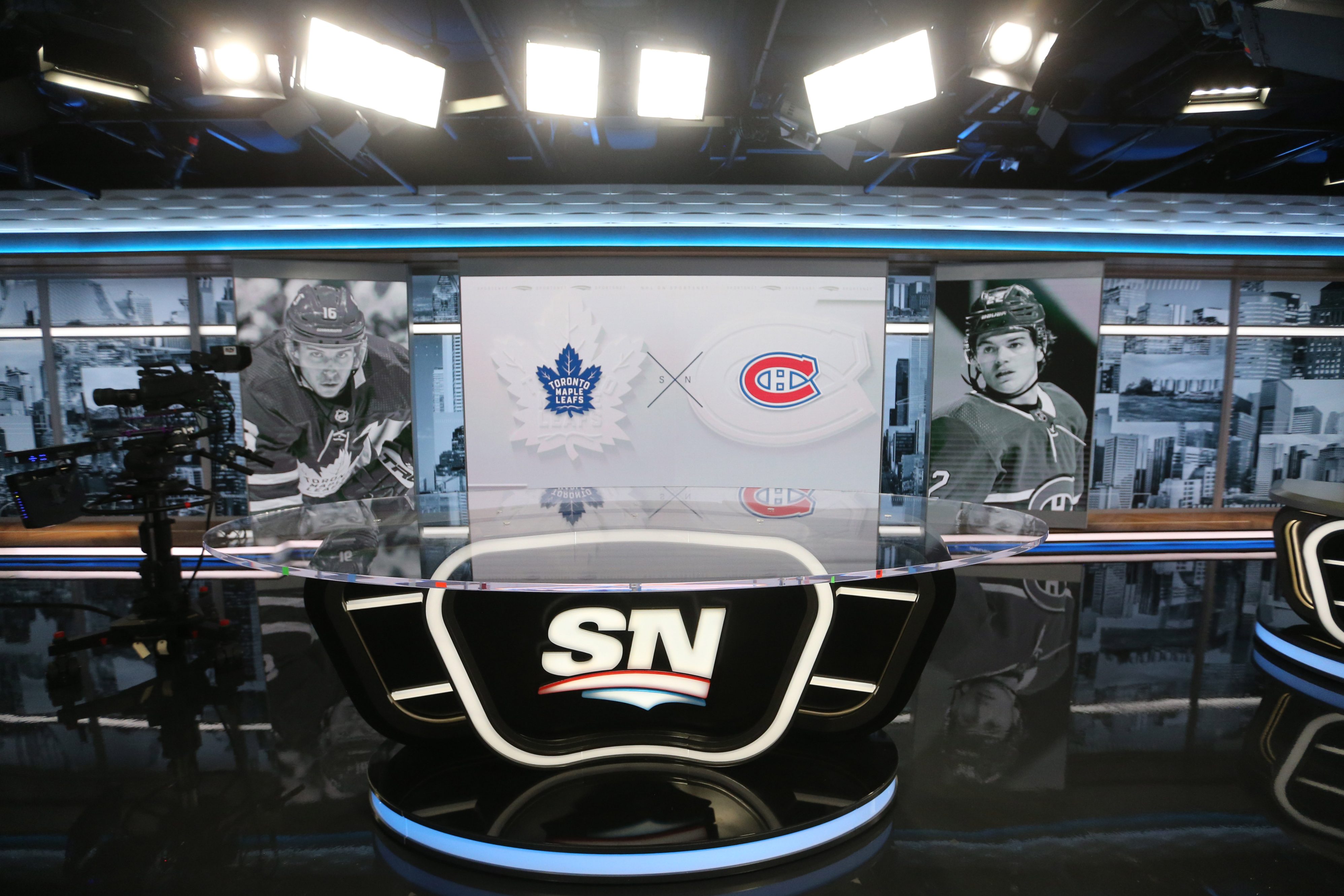
CBC Carried Hockey for 74 Years. Rogers Carries It Now.
When a country's most beloved Saturday night ritual moves behind a paywall, the question isn't who owns the broadcast — it's who still owns the memory.

San Francisco Handed Them Rainbow Caps. Three Pitchers Grabbed a Sharpie.
MLB can warn players, but it still can't say where the line is — and that gap is now Pride Night's problem.

Forty-Eight Countries Showed Up. So Did Everything They Carry.
The 2026 World Cup didn't just expand the tournament — it cracked it open, and what spilled out was messier and more honest than anyone planned for.
From the other desks.
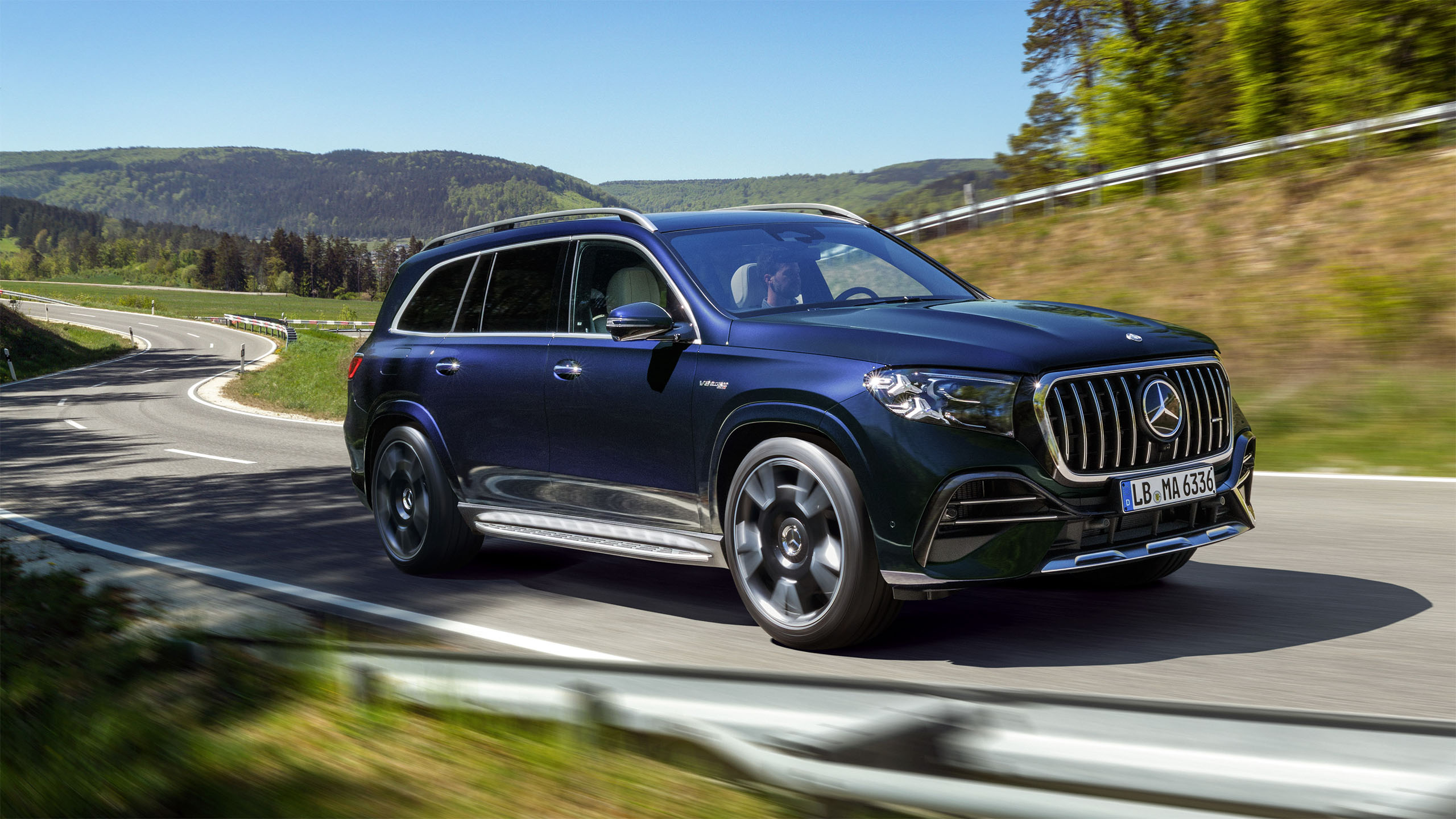
27 Cars, 36 Months, One Engine Worth Arguing About
Mercedes-AMG is flooding the market with V8s and a new six — not because the plan is subtle, but because subtlety lost.
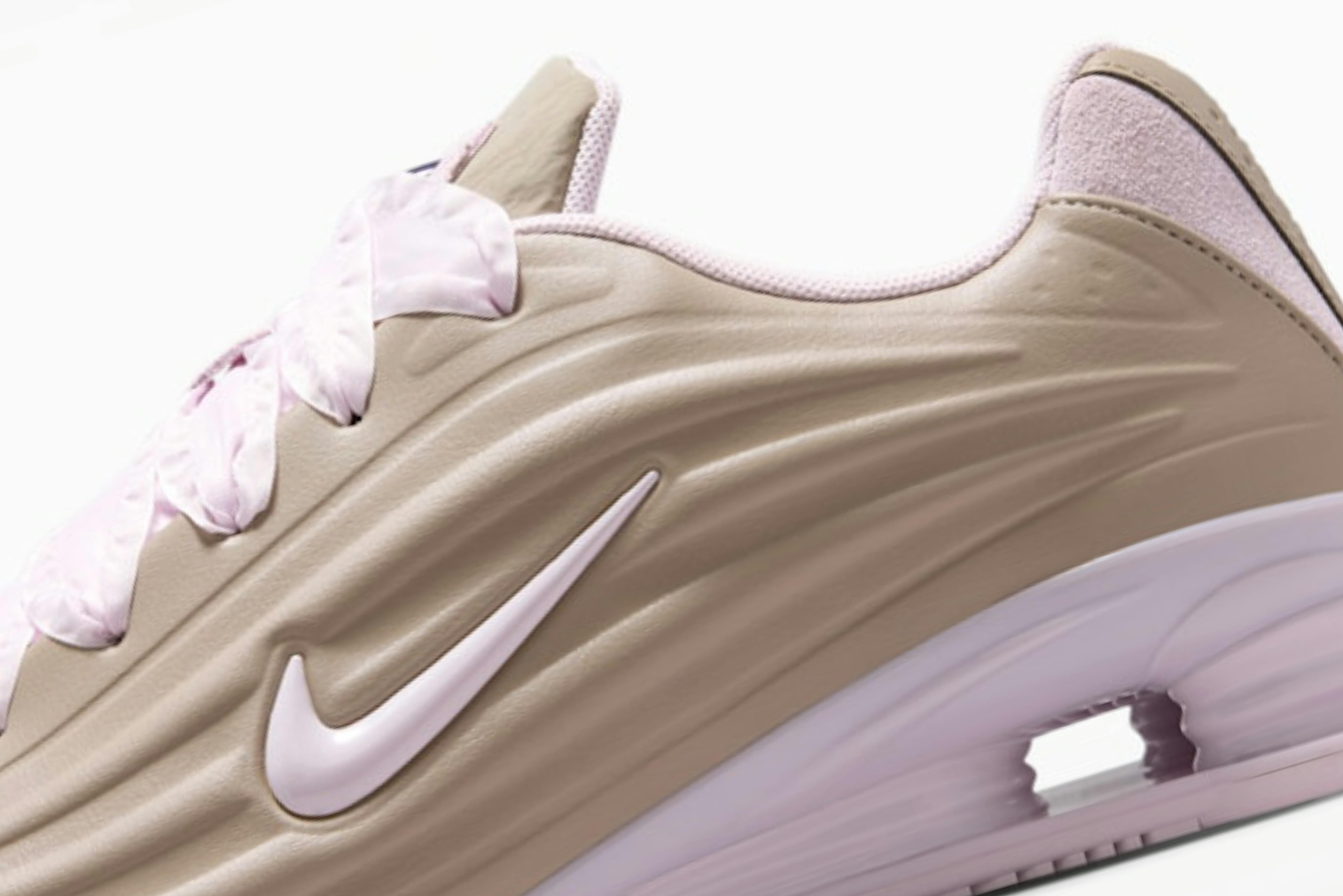
Ribbon Laces on a Shox: Nike Blinks First
When a sneaker built on aggression gets pastel tones and ballet details, something is being answered — the question is what.

Snap Built AR Glasses for a Decade. They Cost $2,195.
The hardware is real. The audience is still theoretical.