San Francisco Handed Them Rainbow Caps. Three Pitchers Grabbed a Sharpie.
MLB can warn players, but it still can't say where the line is — and that gap is now Pride Night's problem.

Photo · NY Post Sports – Latest News, Scores, Stats & Videos
Pride Night has a credibility problem, and it didn't start with a Sharpie.
During the San Francisco Giants' annual Pride Night celebration, three pitchers — Landen Roupp, JT Brubaker, and Ryan Walker — wrote Bible verses on their Pride Night caps before taking the field. A fourth player wore a different hat entirely. MLB issued warnings to all four. The league also put out a statement calling the behavior a violation of its uniform rules.
The players, for their part, denied that their decision came from a place of hate.
So now here we are: four players warned, no one suspended, a statement issued, and absolutely nothing resolved.
The Gap Between a Warning and a Policy
The league's response is the most revealing part of this. MLB didn't say why Bible verses on a Pride cap constitute a violation — only that writing on caps violates uniform rules. That's a real distinction. Because if this is purely a dress code issue, it's a remarkably convenient one. The rule existed before Friday. It will exist after. But it only made headlines when it intersected with a night that asks players to visibly affirm something some of them don't affirm.
The Giants are based in San Francisco — a city with one of the largest and most historically significant LGBTQ communities in the country. The team, according to reporting from The Guardian, often makes an extra effort on Pride Night beyond what most clubs do. That context matters. When the gesture is bigger, the counter-gesture lands harder.
What MLB didn't do — and this is where the warning starts to feel hollow — is say anything meaningful about what the night is actually for, or what a team and a league owe the fans those nights are meant to honor. A uniform violation citation is not a values statement. It's a paperwork response to a human question.
The Spreadsheet Problem
Every major sports league now runs some version of inclusion programming. Pride nights, heritage celebrations, awareness months — the calendar is full. And for the most part, these events have operated on a kind of ambient goodwill: most players participate, most fans appreciate it, and the machine rolls forward.
Friday exposed the soft floor under that arrangement. When players push back — not with a protest, not with a press conference, but with a few words written in marker on team-issued gear — the league's enforcement mechanism turns out to be a dress code. That's not nothing. But it's also not something. It doesn't answer the question of what the league actually believes, or what it's willing to defend.
The players said their actions didn't come from hate. Maybe that's true. Intent and impact are not the same thing, and the fans who came to Oracle Park that night for a celebration didn't come to parse theology. They came because a team told them they belonged there.
MLB can issue all the warnings it wants. What it hasn't done is reckon with the simpler, harder truth: you cannot run a Pride Night on vibes and a uniform policy. At some point, inclusion has to mean something specific enough to protect — or it becomes a branding exercise that folds the moment someone tests it.
A Sharpie and three Bible verses just tested it.
Keep reading sports.
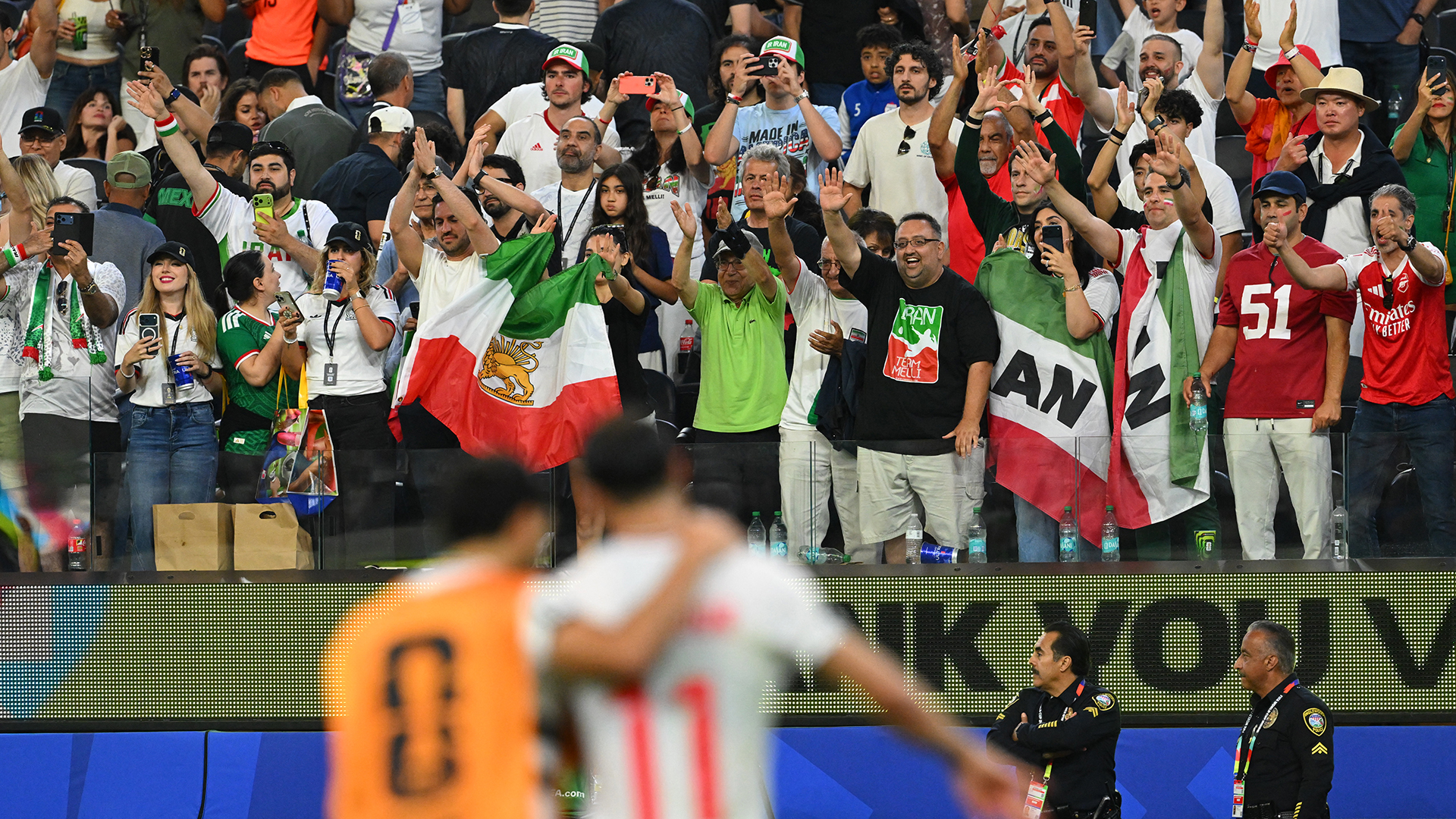
Iran Drew 2-2 and Got Deported Before the Echo Died
Their best match of the tournament ended with a flight home they didn't choose.
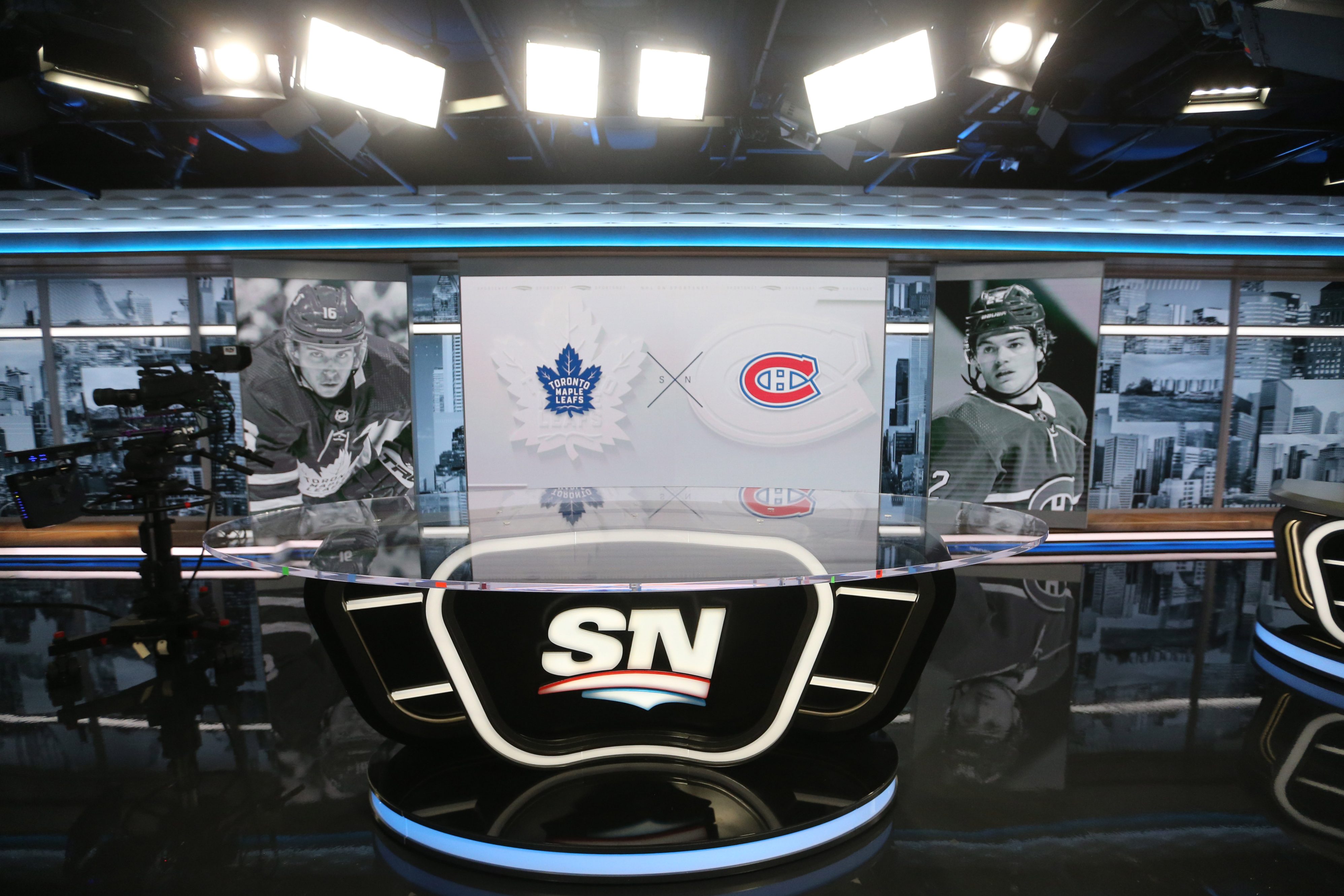
CBC Carried Hockey for 74 Years. Rogers Carries It Now.
When a country's most beloved Saturday night ritual moves behind a paywall, the question isn't who owns the broadcast — it's who still owns the memory.

Forty-Eight Countries Showed Up. So Did Everything They Carry.
The 2026 World Cup didn't just expand the tournament — it cracked it open, and what spilled out was messier and more honest than anyone planned for.
From the other desks.
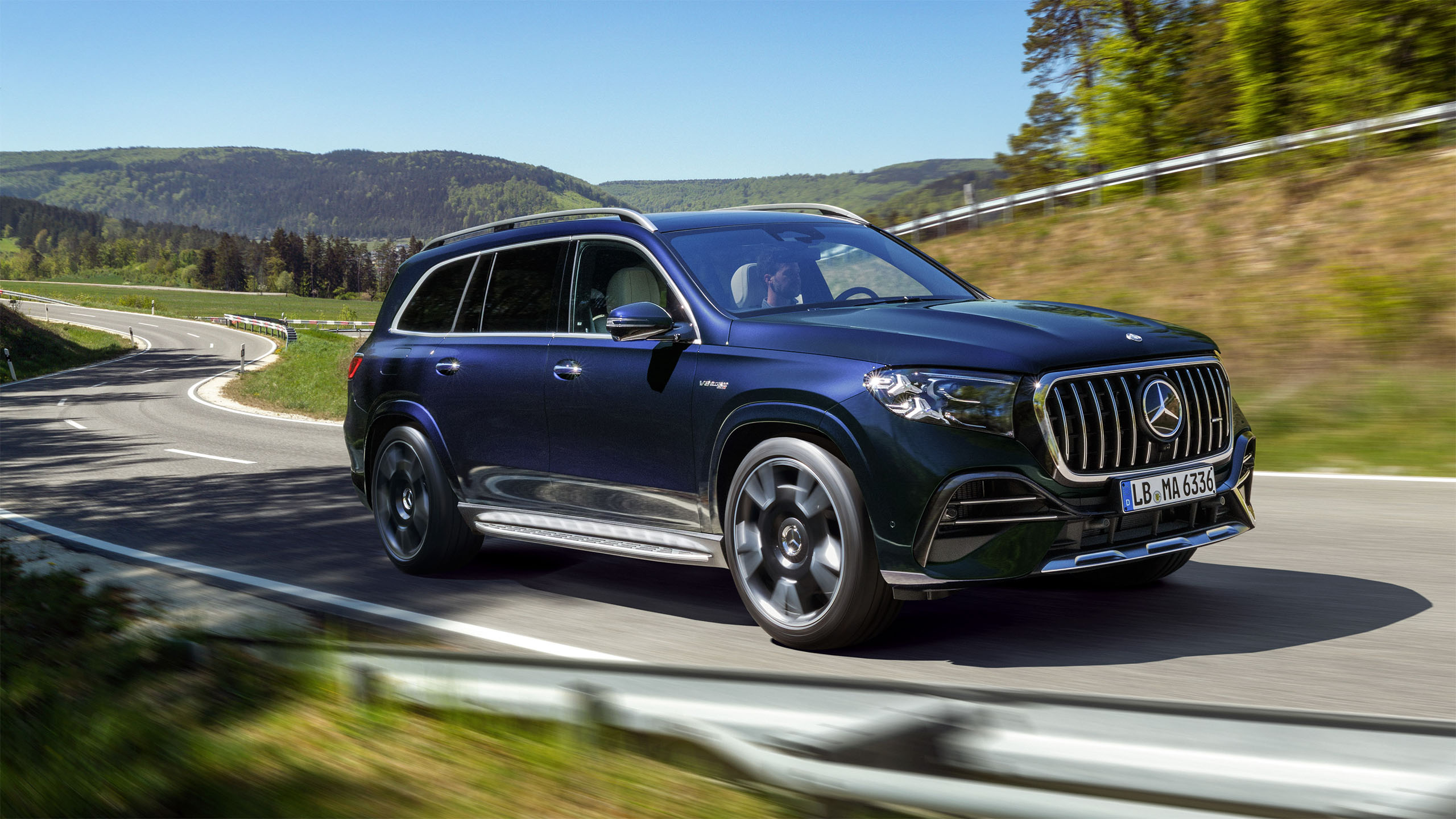
27 Cars, 36 Months, One Engine Worth Arguing About
Mercedes-AMG is flooding the market with V8s and a new six — not because the plan is subtle, but because subtlety lost.
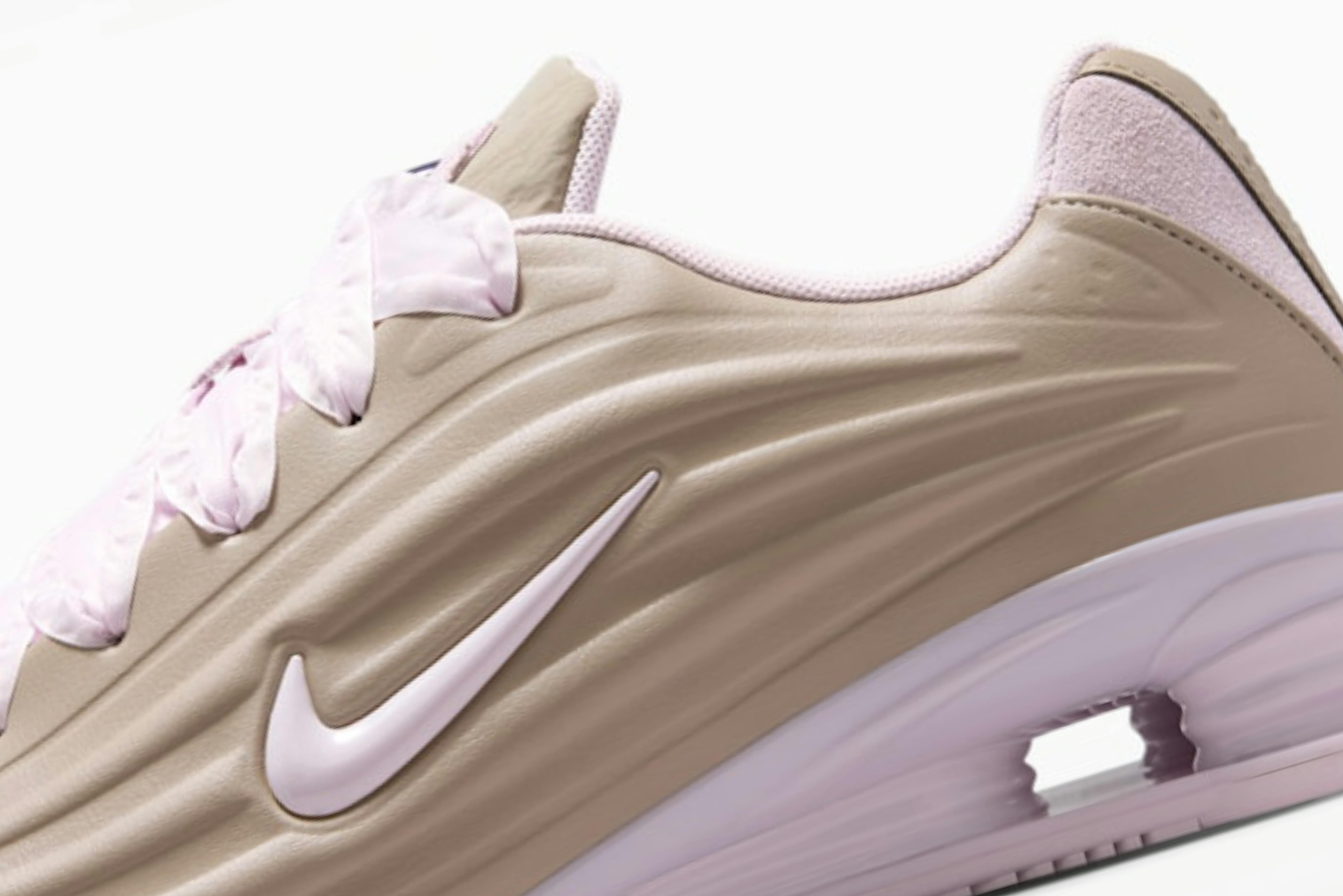
Ribbon Laces on a Shox: Nike Blinks First
When a sneaker built on aggression gets pastel tones and ballet details, something is being answered — the question is what.

Snap Built AR Glasses for a Decade. They Cost $2,195.
The hardware is real. The audience is still theoretical.