The Verdict Everyone Saw Coming, For a Company That Already Cut Its Deal
A jury just confirmed what every concert-goer has known for years — and it might not matter at all.

Photo · The Verge
The jury took several days. Most people needed about thirty seconds.
A Manhattan jury has found Live Nation-Ticketmaster an illegal monopoly, liable on three counts: illegally monopolizing the live event ticketing market, monopolizing amphitheaters, and tying its concert promotions business to its venue control. The verdict opens the door to a potential breakup of the company — which is exactly what the Biden-era Department of Justice said it wanted when it filed the suit. The problem is that the Trump administration's DOJ already negotiated a settlement with Live Nation last month, before the jury came back.
So we have a legal system arriving, breathless, at the finish line — only to find the corporation already shook hands with the referee and went home.
Validated, Not Punished
Gizmodo's framing was the most honest: imagine actually holding a corporation accountable. That single line carries more weight than it should, because the accountability part is still genuinely hypothetical. As Engadget noted, the judge hasn't determined what remedies will be applied. Monetary damages haven't been set. And whatever the judge decides, Live Nation is widely expected to appeal. The verdict is real. The consequences are, for now, a mood board.
TechCrunch put the tension plainly: could they still actually break up Live Nation? It's the right question, and the answer is a shrug dressed up in legal language. The jury found what it found. The DOJ settlement exists. These two things are now in the same room, and nobody knows exactly who wins that argument.
What's clarifying about this moment — if you can stomach the irony — is that it proves the legal system can still perceive reality. Three counts of antitrust liability isn't a close call. This is a jury looking at how a company operates and saying, yes, this is what a monopoly looks like. The sticker shock on your Ticketmaster final bill, the fees that seem to multiply every time you refresh the page, the sense that there is simply no alternative — that's not a vibe. It's now a federal finding.
The Cycle, Recognizable as Ever
Here's what the coverage, taken together, quietly reveals: the legal process moved slower than the cultural consensus, and the regulatory process moved faster than the legal one — in the wrong direction. By the time a jury confirmed the obvious, the administration with actual enforcement power had already traded the breakup threat for a settlement whose terms apparently fall well short of structural separation.
This is the cycle. It goes: everyone knows a thing, someone files a lawsuit, years pass, the thing gets proven, and somewhere in the middle a quieter deal gets done that the verdict can no longer fully undo. The jury's job was to find the truth. The truth was found. Whether that truth produces anything resembling change is a different jurisdiction entirely.
Live Nation will appeal. The settlement will be scrutinized. The judge will weigh remedies. Fees will continue to appear at checkout like uninvited guests who've learned they're never actually asked to leave.
The jury did its part. The rest of us are still waiting for someone to do theirs.
Keep reading tech.

Hide My Email Has Been Showing Your Email
Apple's privacy flagship has a hole in it. They've known for over a year.

Sony Killed the Disc. Sony Is Also Killing the Store.
Two announcements, one company, and a quiet admission that "ownership" was always their word to define.
Apple Went to the Highest Court It Could Find. That Tells You Everything.
When a contempt ruling sends you to the Supreme Court, you're not defending a policy anymore — you're defending a worldview.
From the other desks.

800 Horsepower, One Ton of Doubt
Lamborghini built the most powerful SUV it's ever made. It's also slower than what it replaced.
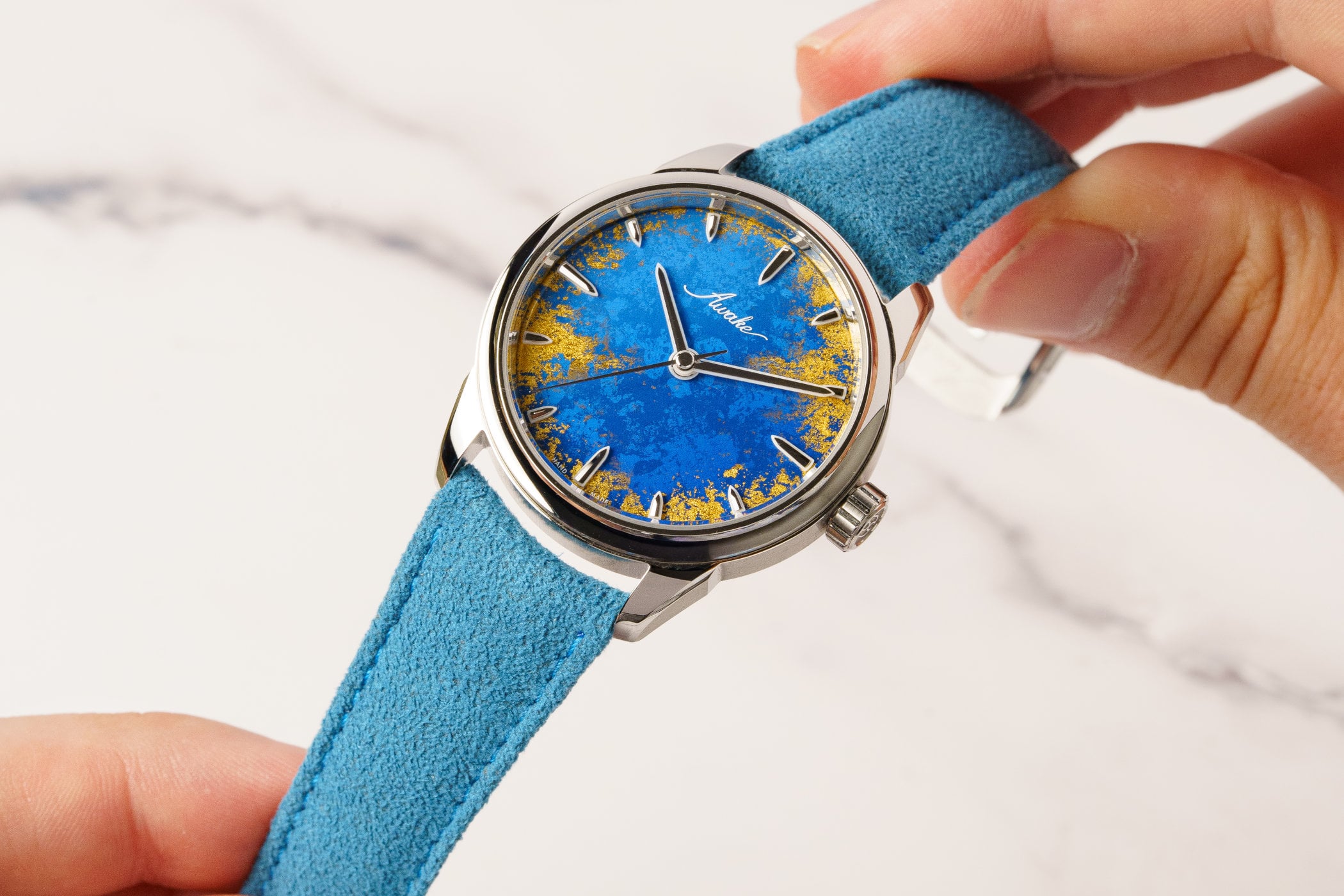
Gold Leaf on a Lacquer Dial, and the Weight of What That Costs
Awake's Frosted Leaf Royal Blue asks a question Vietnamese craft has never quite had to answer at this price.
ESPN Named Him. Then Unnamed Him. Nobody's Explaining the Gap.
A retraction without a reckoning is just a deleted link.