91 Miles and Half the Sticker: Jeep's Electric Bet Just Got Priced by the Market
A nearly new Wagoneer S sold for almost half its original price on Bring a Trailer, and the number says something the press releases won't.
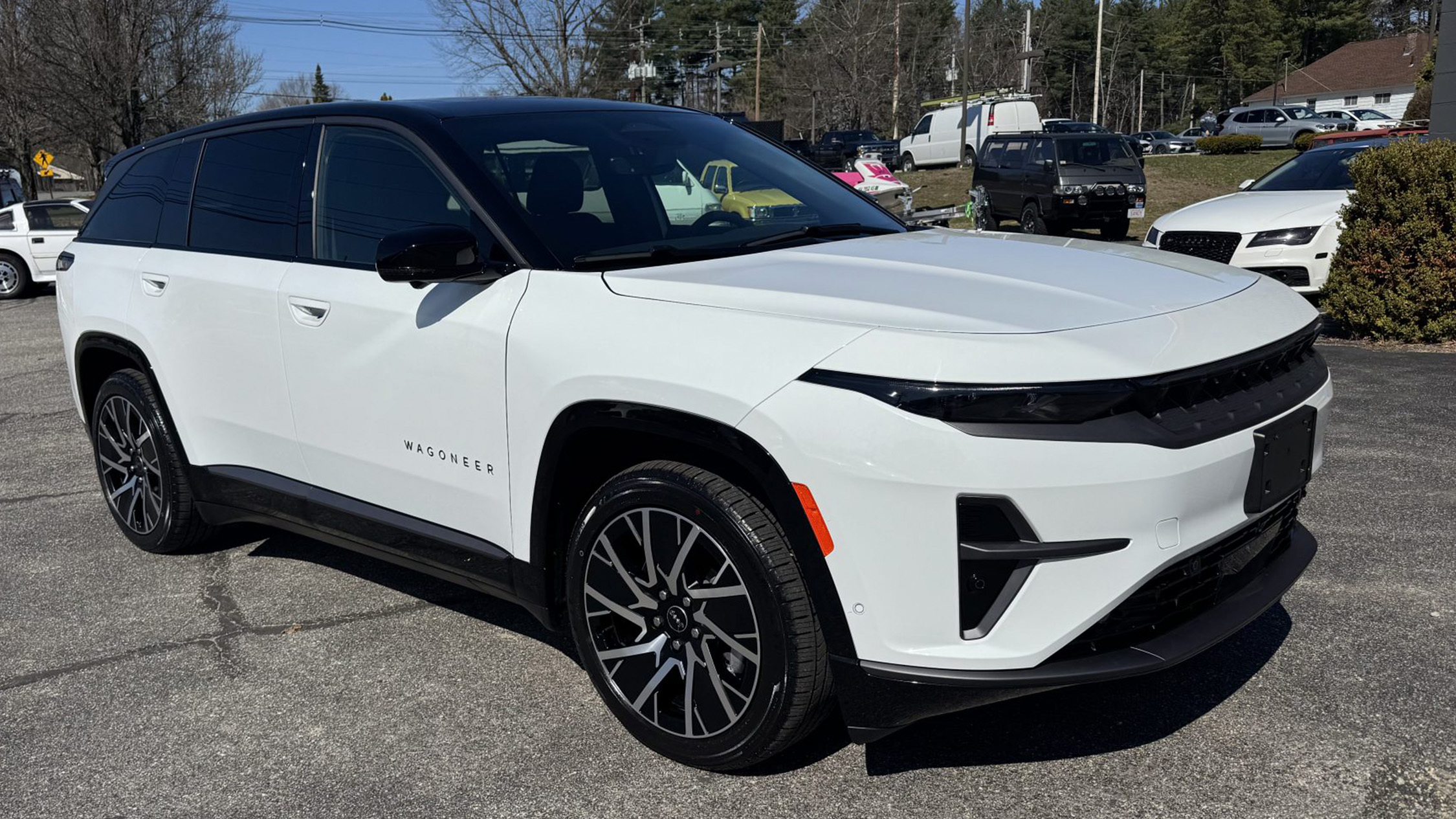
Photo · Carscoops
There's a version of this story where a car sells cheap because the original owner needed cash fast, or made an impulse buy, or simply changed their mind. That version lets everyone off the hook.
This isn't that version.
A writer at Carscoops flagged something worth sitting with: a Jeep Wagoneer S — Jeep's first North American EV — sold on Bring a Trailer after just 91 miles, going for nearly half of what it cost new. Not a fleet car. Not a flood car. A practically new machine, barely broken in, priced like a used appliance at an estate sale.
Ninety-one miles. That's about two weeks of casual errands.
The Market Doesn't Lie
Depreciation is the most honest critic in the automotive world. It doesn't care about the launch event, the influencer content, or the carefully worded press release about Jeep's commitment to an electric future. It cares about one thing: what someone will actually pay, with their own money, on a Tuesday afternoon.
And what the Bring a Trailer auction revealed is that the Wagoneer S — a vehicle Jeep has positioned as its flagship electric statement — couldn't find a buyer willing to pay anywhere near full price once it left the lot. The depreciation here isn't the normal new-car-off-the-lot curve. It's a cliff. There's a difference between a car that loses value and a car that loses its argument.
The Wagoneer S lost its argument.
What makes this particularly hard to wave away is the context. Jeep has staked real identity capital on this vehicle. The Wagoneer name carries weight — or it's supposed to. Putting that badge on an EV was a deliberate signal that the brand's transition was serious, anchored in heritage, not just a compliance play. And now the market has responded to that signal with a number that undercuts the entire narrative.
What the Buyer Knew
Somewhere in the transaction is a buyer who looked at this car, looked at the current landscape of EV incentives, resale patterns, charging infrastructure, and competing options, and decided that nearly half off was the right price to take the risk. That's not irrational. That's actually a pretty clear-eyed read of where things stand.
EV buyers in 2025 are not the same as EV buyers three years ago. They've watched the early adopters absorb the depreciation hits. They've seen incentive structures shift. They know the charging network story is still uneven. They've learned to wait — or to buy used, cheap, from the people who couldn't wait.
The Carscoops piece frames this as a tough market for Jeep's electric ambitions, and that framing is correct but maybe too gentle. What's happening isn't just market softness. It's a revaluation of belief. The premium you pay for a new EV from a traditional automaker — that premium is a bet on the future, on the brand's commitment, on the infrastructure catching up, on resale holding. When that premium evaporates after 91 miles, it means the bet is being called.
Jeep can build a better EV. It can improve the range, refine the interior, sharpen the software. But it can't engineer its way out of a confidence problem. Confidence is priced by the market, not the manufacturer.
And right now, the market just told Jeep what it thinks.
Keep reading cars.

800 Horsepower, One Ton of Doubt
Lamborghini built the most powerful SUV it's ever made. It's also slower than what it replaced.

£11,990 Draws a Line Under Every Excuse You Had Left
Dacia just made the cheapest new car in Britain electric — and that's not a footnote, it's a verdict.

Blanc Éternel Hides Its Speed Behind a Gas Cap
Bugatti built a 261-mph roadster and made sure you'd notice the porcelain first.
From the other desks.

Gold Leaf on a Lacquer Dial, and the Weight of What That Costs
Awake's Frosted Leaf Royal Blue asks a question Vietnamese craft has never quite had to answer at this price.

ESPN Named Him. Then Unnamed Him. Nobody's Explaining the Gap.
A retraction without a reckoning is just a deleted link.

Hide My Email Has Been Showing Your Email
Apple's privacy flagship has a hole in it. They've known for over a year.