Backward-Facing Seats in a V8 Pickup Truck Is Not a Compromise. It's a Manifesto.
Jeep's Wrangler Scrambler SRT doesn't split the difference between utility and spectacle — it burns the difference down.
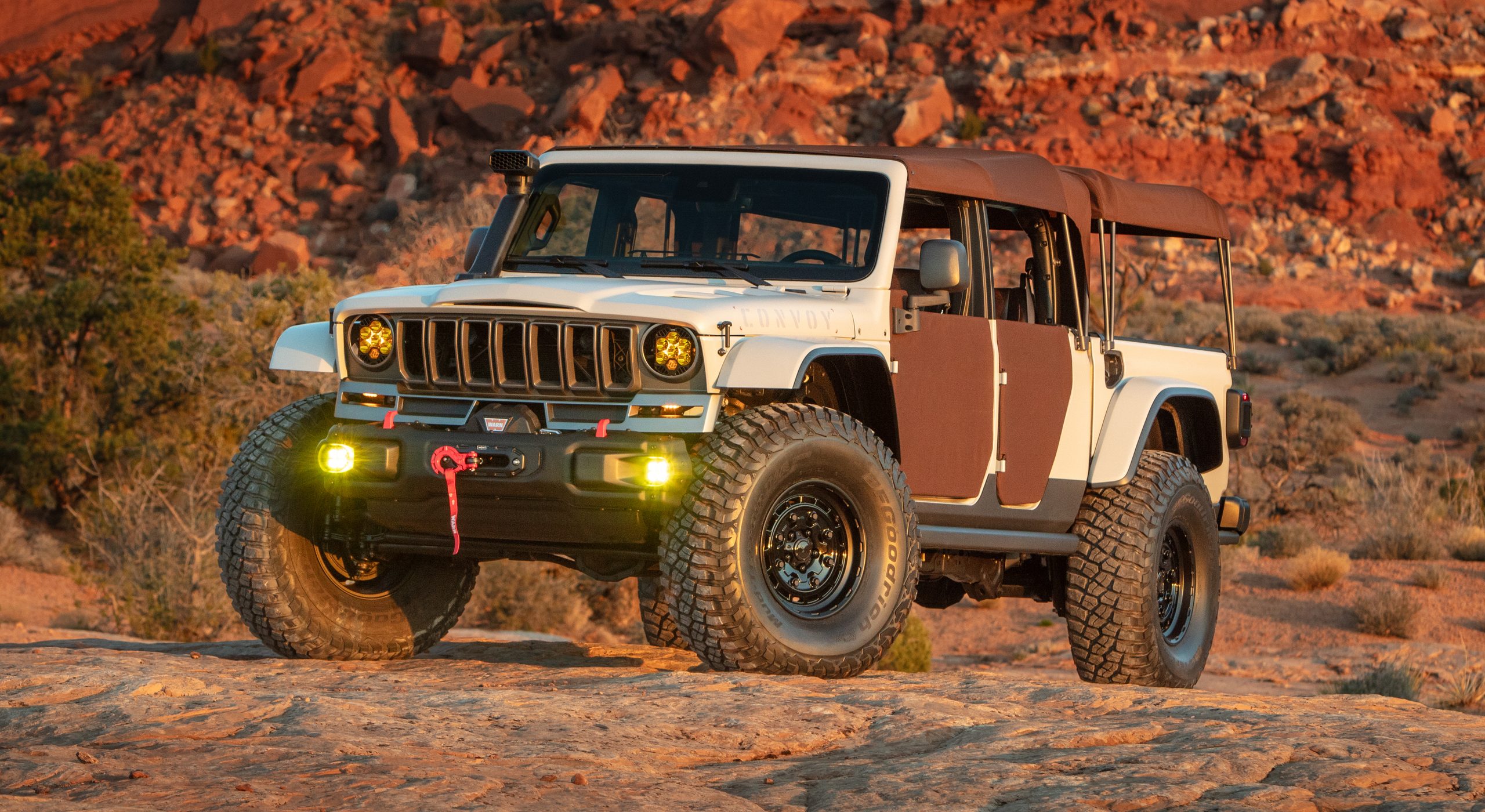
Photo · The Drive
The Father of the Hellcats Has the Keys
A writer at The Drive has staked out a position worth sitting with: Jeep is building a Wrangler Scrambler SRT, a two-door Gladiator-based pickup with a removable roof, backward-facing rear seats, and — this is the part that matters — probably a V8. And the man holding the keys, per the piece, is the Father of the Hellcats himself.
That detail is not incidental. That is the entire argument.
For years, the debate inside American truck culture ran something like this: do you want the thing to work, or do you want the thing to perform? The answer was supposed to be one or the other. A working truck got a bed and a sensible engine and maybe some mud flaps. A performance truck got a supercharged V8 and a sticker price that made your accountant leave the room. The Wrangler Scrambler SRT appears to have looked at that binary and laughed.
Backward-facing rear seats. In a pickup truck. With a removable roof and, in all likelihood, a V8 under the hood.
That's not a feature list. That's a dare.
What Absurdity Signals
The easy read here is that Jeep is chasing spectacle — building something for the auto show floor, the Instagram caption, the guy who already owns four vehicles and needs a fifth conversation piece. Maybe. But I'd argue the Scrambler SRT signals something more structural about where American truck culture has landed.
The market has been rewarding this. Not reluctantly, not in niche corners — openly, loudly, at scale. When a manufacturer puts backward-facing seats in a vehicle with probable V8 power and frames it as a serious product rather than a concept car, they're not guessing. They've already done the math.
What's interesting about the coverage at The Drive isn't the specs — it's the tone. The piece treats the Scrambler SRT as a legitimate object. Not a gimmick, not a stunt. Wildest Jeep in years, they call it. There's something almost reverent in that framing, and I think that reverence is correct.
Because here's what the backward-facing seats actually mean: the people buying this thing don't need the rear seat. They want it to be wrong in exactly the right way. They want to hand a passenger an experience that no other vehicle offers — wind, noise, the road disappearing behind you, and somewhere underneath it all, a V8 making the kind of sound that doesn't need explanation.
That's not impractical. That's a very specific kind of practical — the kind built around memory rather than cargo.
The removable roof closes the loop. You're not just riding in this truck. You're exposed to it. Every sense engaged, nothing filtered. That's not a concession to utility. That's the utility.
Jeep has been in this territory before — the Wrangler's whole identity is built on the removable-everything premise. But combining that DNA with a Gladiator-based platform, SRT tuning, and backward seating is a different gesture entirely. It's the brand saying: we know what you love about us, and we're going to give you more of it than is strictly reasonable.
The Father of the Hellcats leading the project is the detail that makes me believe they mean it. That's not a branding hire. That's a signal about what the engine room looks like.
Some machines arrive as answers to questions nobody asked. This one feels like an answer to a question truck culture has been asking for a decade — just louder than anyone expected.
Keep reading cars.

800 Horsepower, One Ton of Doubt
Lamborghini built the most powerful SUV it's ever made. It's also slower than what it replaced.

£11,990 Draws a Line Under Every Excuse You Had Left
Dacia just made the cheapest new car in Britain electric — and that's not a footnote, it's a verdict.
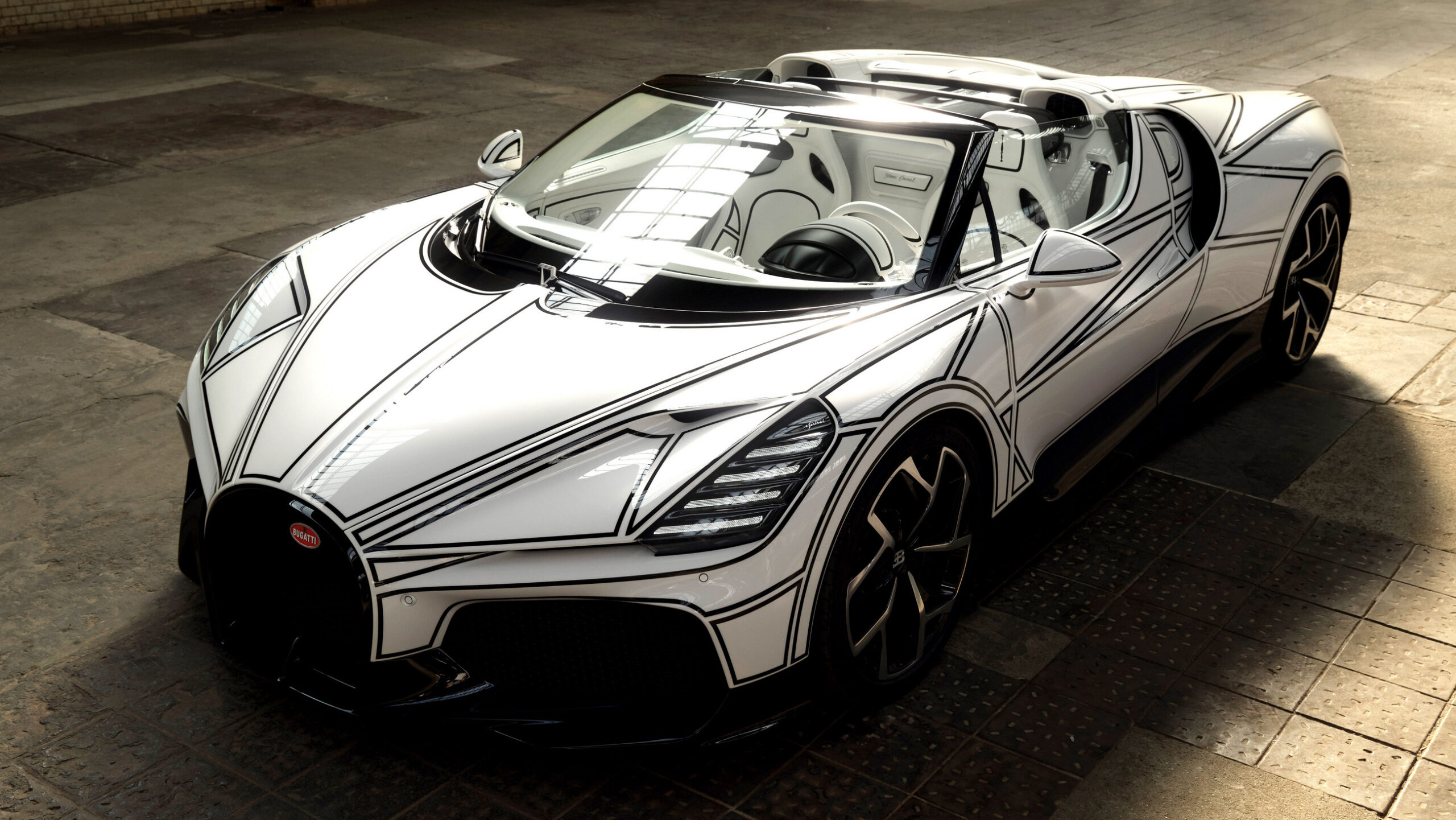
Blanc Éternel Hides Its Speed Behind a Gas Cap
Bugatti built a 261-mph roadster and made sure you'd notice the porcelain first.
From the other desks.

Gold Leaf on a Lacquer Dial, and the Weight of What That Costs
Awake's Frosted Leaf Royal Blue asks a question Vietnamese craft has never quite had to answer at this price.

ESPN Named Him. Then Unnamed Him. Nobody's Explaining the Gap.
A retraction without a reckoning is just a deleted link.

Hide My Email Has Been Showing Your Email
Apple's privacy flagship has a hole in it. They've known for over a year.