Bugatti Has a New Owner. It's Had Several.
Porsche just sold its stake to investors, and the Veyron's spiritual home is now someone's portfolio line.
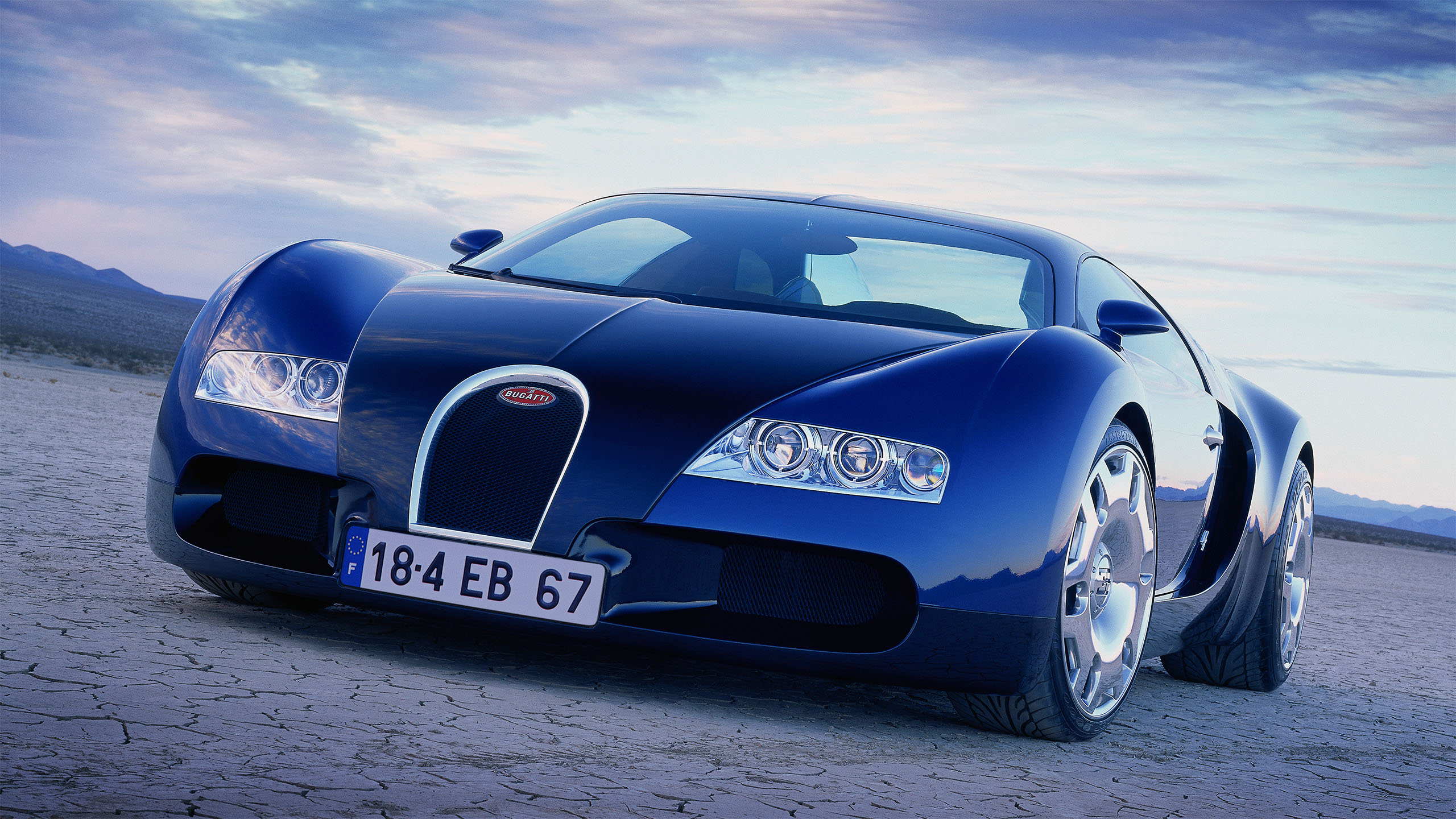
Photo · The Drive
There's a version of this story where you focus on the romance — the Veyron, the Chiron, the kind of engineering that makes other carmakers quietly put down their coffee and stare at the wall. That version is real. It's just not the whole story anymore.
Portable heritage is the business model now. Bugatti has gone from Volkswagen Group lifeline to joint venture experiment to investor acquisition in the span of a few years, and somewhere in that sequence, the question shifted from what does Bugatti make to who does Bugatti belong to.
What the Transaction Actually Says
VW pulled Bugatti back from the edge nearly 30 years ago. That rescue produced the Veyron and the Chiron — cars that exist as proof that resources plus obsession can yield something genuinely unrepeatable. Hagerty's coverage notes that relationship spanned close to three decades before VW offloaded the brand into a joint venture between Porsche and Rimac in 2021. Now Porsche has sold its stake to an investment group, and Rimac holds the operational thread.
The Drive flags the obvious implication: Bugatti's future rests in Rimac's hands. Which is either reassuring or clarifying, depending on how you read it. Rimac builds electric hypercars. They understand performance at an engineering level that very few companies on earth can match. But Rimac is also a young company, and Bugatti is now an asset inside a structure that includes outside investors whose primary language is return.
That's not an insult. It's just the geography.
Heritage as Holding
What both pieces circle around without quite landing on is this: the Bugatti name carries extraordinary weight, and extraordinary weight attracts capital the way a warm engine attracts attention in a cold garage. The brand didn't get sold because it was failing in any conventional sense. It got sold because the VW Group decided that not everything it rescued needed to stay rescued by them.
And so now Bugatti sits in a joint venture, with investor money flowing through Porsche's former stake, and the question of what comes next — what the next car is, what the production numbers look like, whether the obsessive engineering culture survives the ownership shuffle — remains genuinely open.
Rimac's involvement is the stabilizing argument. They are builders. They have technical credibility. But investors are investors, and the incentive structure around a storied supercar brand and the incentive structure around actually making great cars are not always the same document.
The Veyron and Chiron happened because a corporation with deep pockets decided to prove something. What Bugatti proves next will depend on what its new stakeholders want proven — and for whom.
A name that once meant resources applied without restraint now means something more contingent than that.
Keep reading cars.

800 Horsepower, One Ton of Doubt
Lamborghini built the most powerful SUV it's ever made. It's also slower than what it replaced.

£11,990 Draws a Line Under Every Excuse You Had Left
Dacia just made the cheapest new car in Britain electric — and that's not a footnote, it's a verdict.
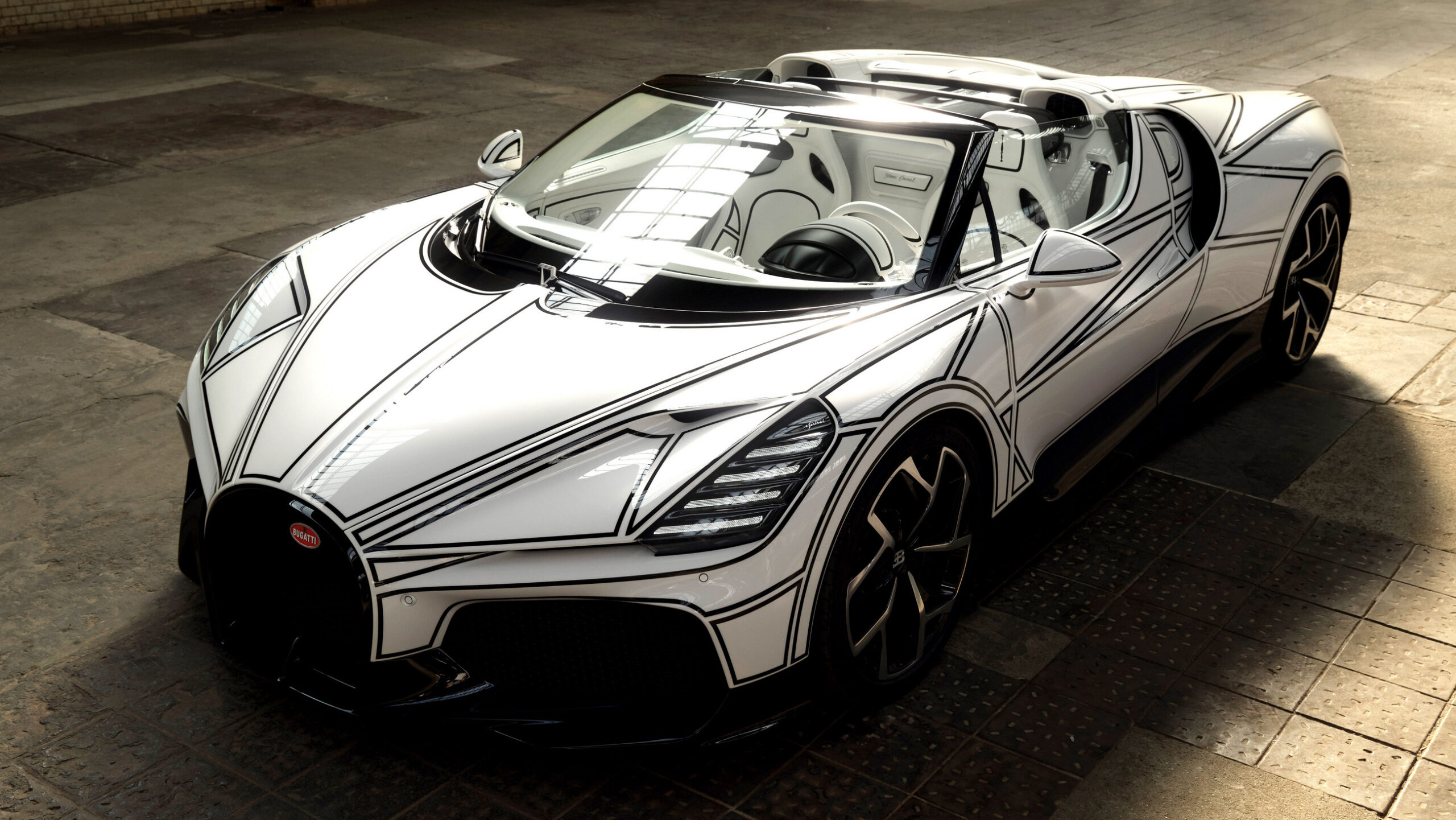
Blanc Éternel Hides Its Speed Behind a Gas Cap
Bugatti built a 261-mph roadster and made sure you'd notice the porcelain first.
From the other desks.

Gold Leaf on a Lacquer Dial, and the Weight of What That Costs
Awake's Frosted Leaf Royal Blue asks a question Vietnamese craft has never quite had to answer at this price.

ESPN Named Him. Then Unnamed Him. Nobody's Explaining the Gap.
A retraction without a reckoning is just a deleted link.

Hide My Email Has Been Showing Your Email
Apple's privacy flagship has a hole in it. They've known for over a year.