Hyundai Built a Car Only China Gets to Have
The Ioniq V isn't a global launch. It's a reckoning.
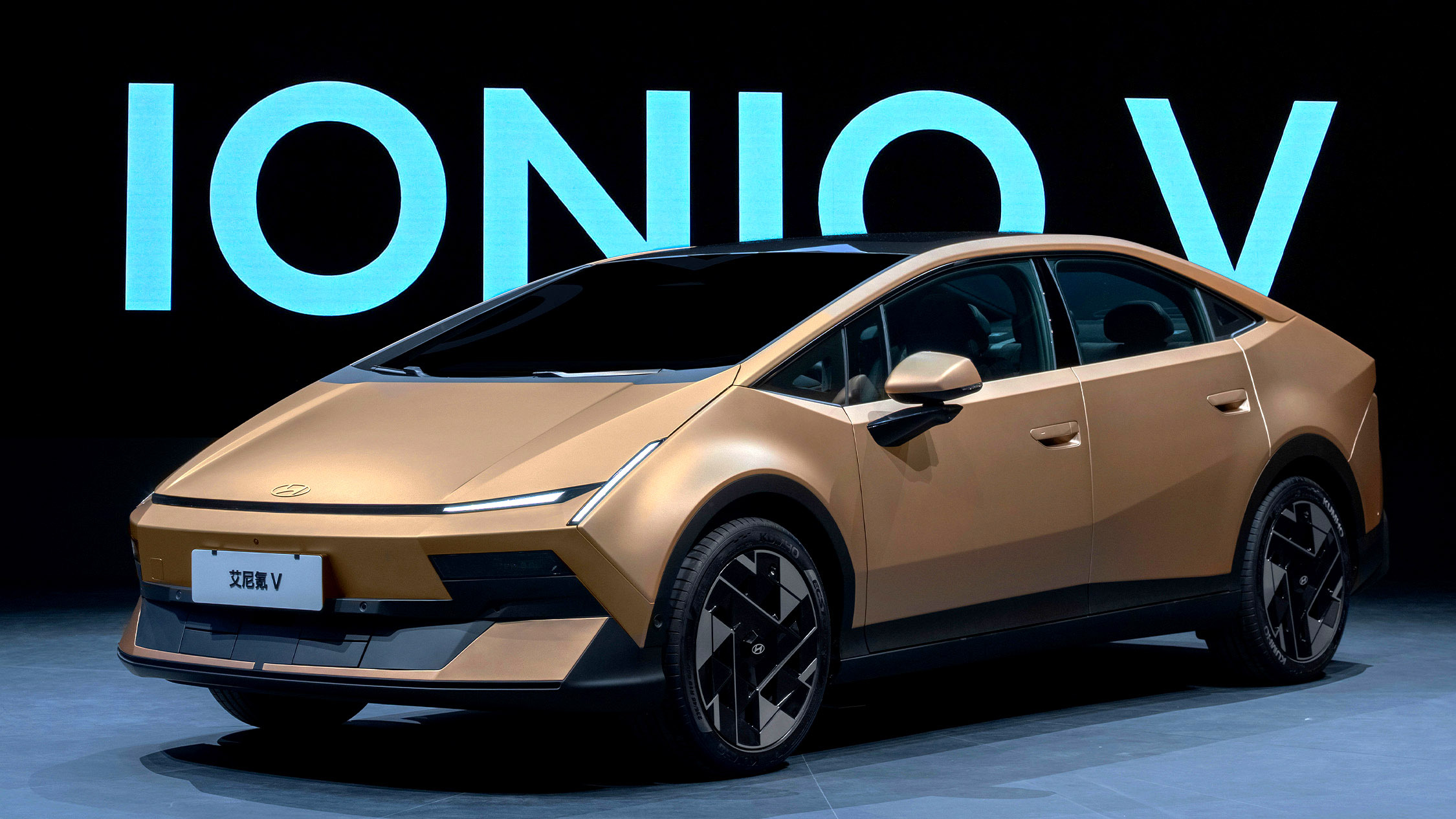
Photo · Carscoops
Beijing first. The rest of the world, maybe never.
Hyundai unveiled the Ioniq V at Auto China 2026, and the coverage was practically unanimous on two things: it looks genuinely stunning, and it isn't coming to you. Not to North America. Not to Europe. The Ioniq V is a China-only play — the first dedicated Ioniq production model built specifically for that market — and the gap between those two facts is where the real story lives.
The car itself is a wedge-shaped liftback that Carscoops noted draws comparisons to a Lamborghini and a Cybertruck in the same breath, somehow without looking confused. It's the production version of Hyundai's Venus concept, wearing what the brand is calling its Origin design language. Sharp angles, swoopy roofline, a 27-inch screen inside that announces the whole thing is playing by different rules. Electrek reported it runs on an 800V platform with CATL batteries and claims over 600 km of CLTC range. On paper, that's a serious machine. In person, from what the Beijing floor coverage suggests, it looks like a concept that somehow survived the budget meetings.
The Number Behind the Design
Hyundai has a target: 500,000 cars sold in China, and the Ioniq V is the opening move in what Electrek described as a 20-model offensive to claw back relevance in the world's largest EV market. That framing — claw back — is doing a lot of work. You don't use that language about a brand that's winning.
Hyundai, like most Western and Korean automakers, lost significant ground in China to domestic EV brands over the last several years. The Ioniq V isn't a victory lap. It's an acknowledgment that the old playbook — develop one global car, ship it everywhere, let the badge carry it — stopped working in China before most brands admitted it. InsideEVs put it plainly: the Ioniq V's job is to take back China. Not conquer it. Take it back. The distinction matters.
What the Rest of Us Are Left With
Here's what the coverage, read together, quietly admits: the most visually ambitious, technically specified Ioniq yet is a market-exclusive that most Hyundai customers will never see outside of a press release. A 27-inch screen and 600-plus kilometers of range on an 800V platform — and it's not for the markets where Hyundai has spent years building an EV reputation.
That's not an accident. It's a calculation. Chinese consumers, surrounded by domestic brands pushing hard on design and tech, need to be convinced differently than someone in Ohio or Oslo. So Hyundai built something specifically calibrated for that audience. Which is smart. And also a quiet signal that the global EV conversation has fractured into something more competitive and more regional than the industry wanted to admit two years ago.
Motor1 was careful to note the Ioniq V should not be confused with the Ioniq 5 — different car, different market, different purpose entirely. That clarification shouldn't need to exist. The fact that it does tells you something about how splintered the Ioniq lineup has become as Hyundai tries to be different things to different continents simultaneously.
The wedge shape is confident. The specs are credible. The strategy is honest in a way that most launch events aren't. Hyundai isn't pretending this is for everyone. They built the car China needs them to build, showed it in Beijing, and left the rest of the world to watch.
Sometimes the most revealing thing a brand can do is decide who it's not talking to.
Keep reading cars.

800 Horsepower, One Ton of Doubt
Lamborghini built the most powerful SUV it's ever made. It's also slower than what it replaced.

£11,990 Draws a Line Under Every Excuse You Had Left
Dacia just made the cheapest new car in Britain electric — and that's not a footnote, it's a verdict.
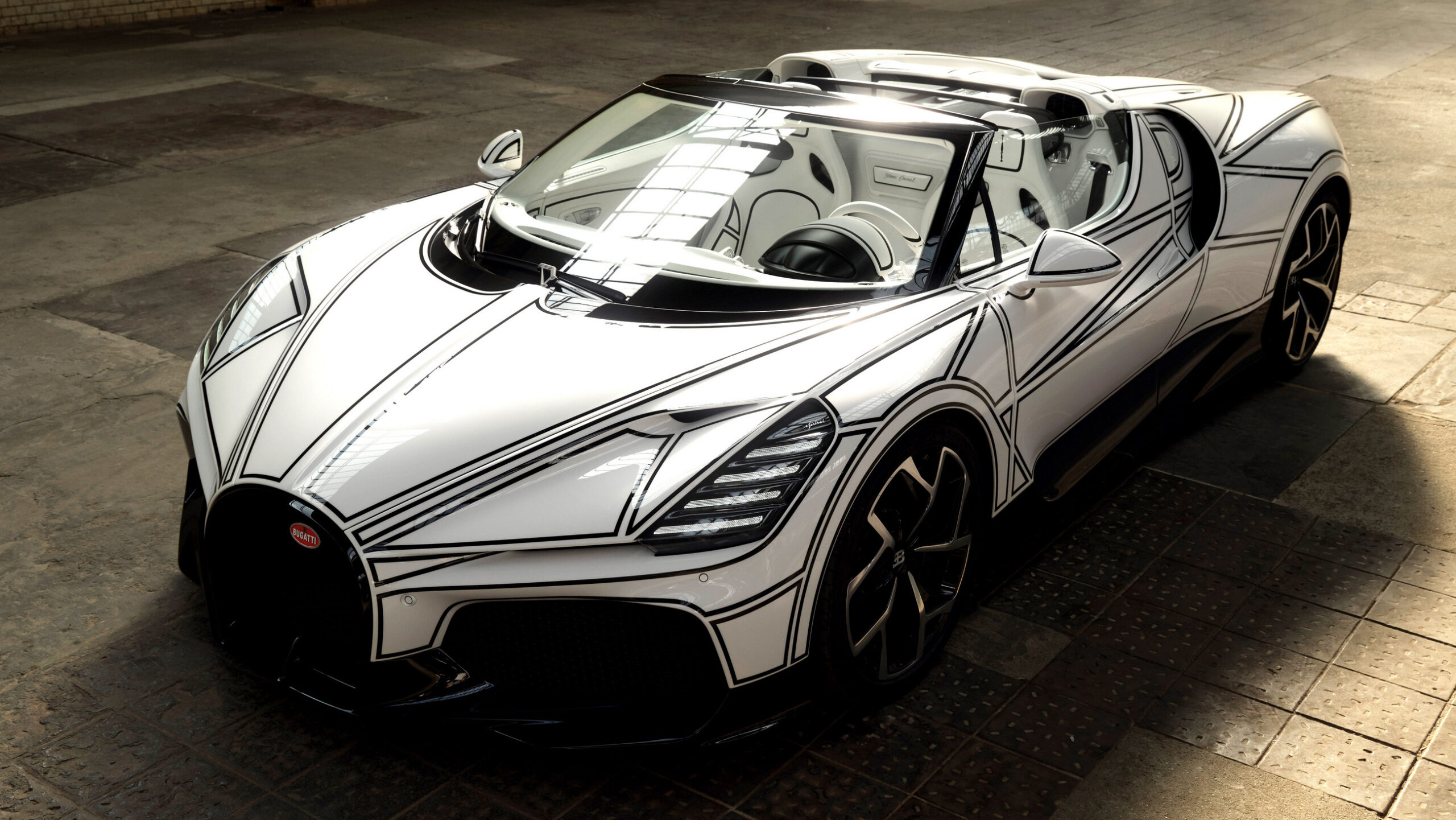
Blanc Éternel Hides Its Speed Behind a Gas Cap
Bugatti built a 261-mph roadster and made sure you'd notice the porcelain first.
From the other desks.

Gold Leaf on a Lacquer Dial, and the Weight of What That Costs
Awake's Frosted Leaf Royal Blue asks a question Vietnamese craft has never quite had to answer at this price.

ESPN Named Him. Then Unnamed Him. Nobody's Explaining the Gap.
A retraction without a reckoning is just a deleted link.

Hide My Email Has Been Showing Your Email
Apple's privacy flagship has a hole in it. They've known for over a year.