BYD Just Made the Price Objection Irrelevant
A six-figure Chinese EV with 10-minute charging isn't a contradiction — it's a warning shot.
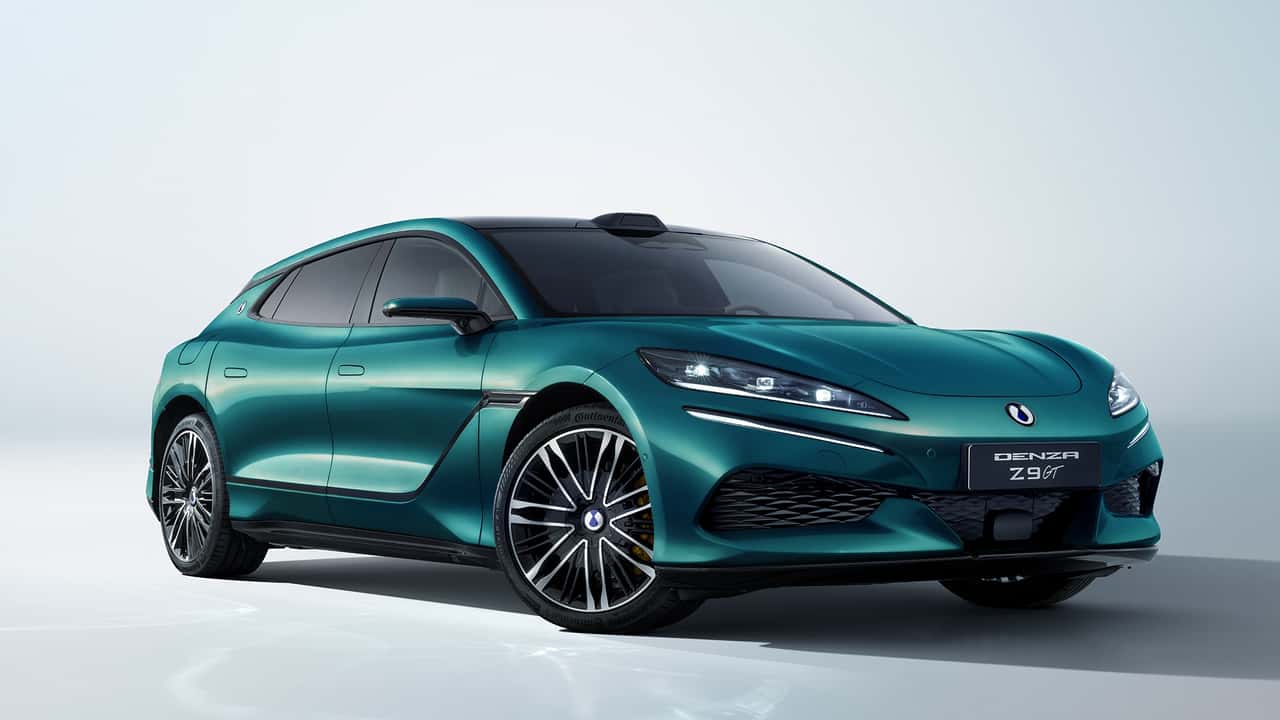
Photo · InsideEVs - Articles
The Denza Z9GT charges from 10 to 97 percent in under ten minutes. That's not a spec. That's an argument.
A writer at InsideEVs has flagged the obvious tension: BYD, the brand most Western buyers still associate with affordable mass-market EVs, has landed a six-figure car in Europe. The headline frames it as a paradox. I think that framing is the problem.
The Wrong Question
The industry keeps asking whether Chinese brands can be taken seriously at high price points. That question has a Eurocentric blind spot baked into it. BYD isn't trying to earn permission to charge six figures. They built a car that justifies it on engineering merit alone, then priced it accordingly. The discomfort isn't about the price. It's about who set it.
Ten-minute charging is the number nobody in Stuttgart or Ingolstadt wants to talk about. Porsche's 800-volt architecture was genuinely impressive when it arrived. The Taycan could add 60 miles in five minutes under ideal conditions — and the press treated it like a moon landing. The Denza Z9GT is doing something measurably faster, at scale, in a production wagon, and the conversation is still being framed as a brand credibility story rather than a technology story.
That tells you everything about where the anxiety actually lives.
What Six Figures Means Now
Price has always been a proxy for trust in cars. You paid more because you believed the engineering was better, the materials were more considered, the brand had earned its reputation across decades of product. That logic still holds — but BYD is accelerating through the part where you're supposed to spend twenty years proving yourself in the mid-market first.
They skipped the queue. And they did it with a number — ten minutes — that is genuinely hard to argue with at a charging station.
The GT wagon form factor matters here too. This isn't a halo supercar designed to exist mostly in press photos. It's a practical, fast, family-capable machine that happens to charge faster than most people's lunch order arrives. That combination — usability plus speed plus a price that signals seriousness — is precisely what the European EV establishment has been promising for three years without quite delivering.
Mercedes, BMW, Audi: they all have something in this space. None of them have this charging number.
The real question isn't whether buyers will accept a six-figure BYD. It's whether European brands have enough runway left to close the gap before buyers stop caring where the car was engineered.
Ten minutes is a very short time to make up your mind.
Keep reading cars.

800 Horsepower, One Ton of Doubt
Lamborghini built the most powerful SUV it's ever made. It's also slower than what it replaced.

£11,990 Draws a Line Under Every Excuse You Had Left
Dacia just made the cheapest new car in Britain electric — and that's not a footnote, it's a verdict.
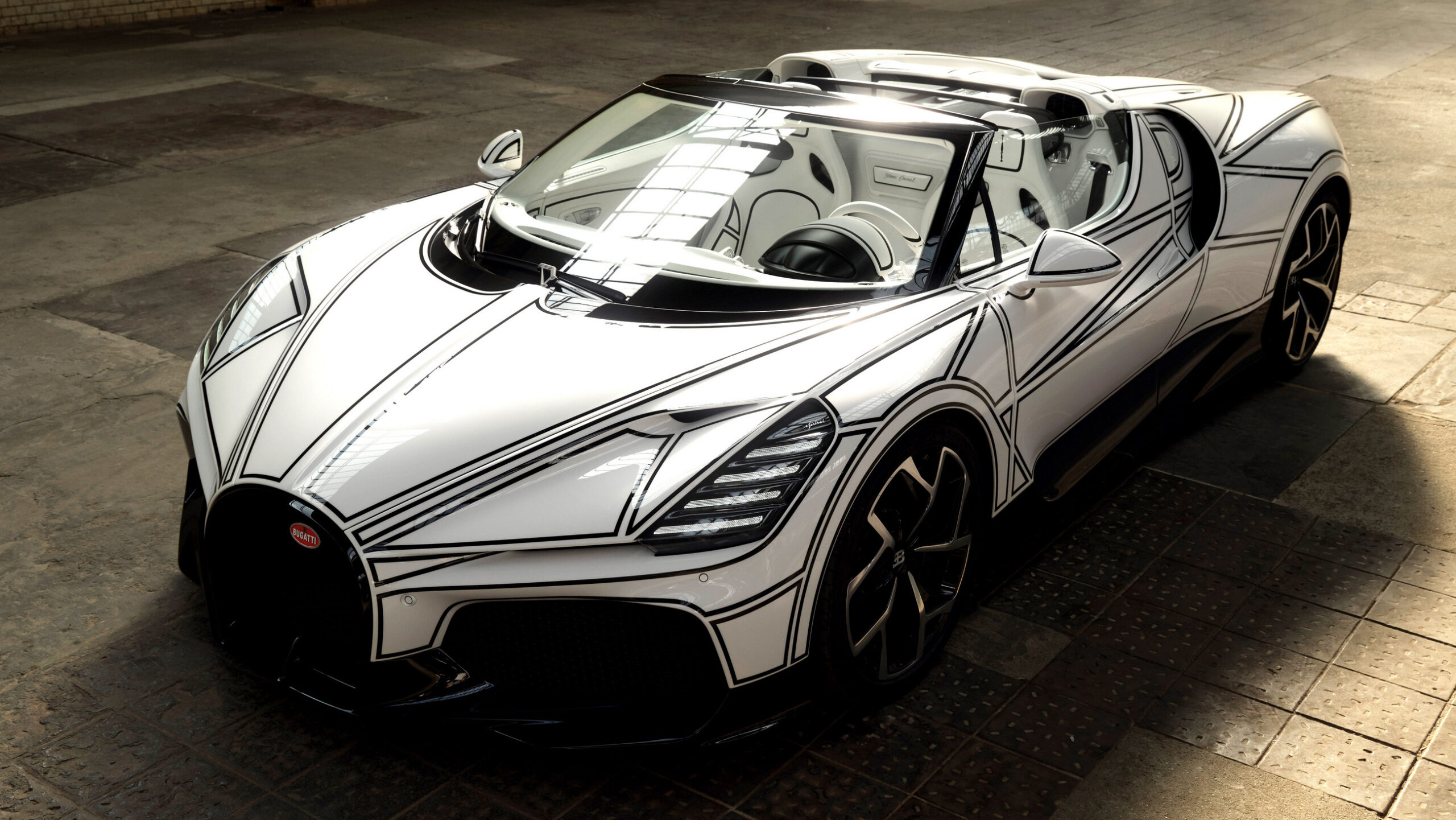
Blanc Éternel Hides Its Speed Behind a Gas Cap
Bugatti built a 261-mph roadster and made sure you'd notice the porcelain first.
From the other desks.

Gold Leaf on a Lacquer Dial, and the Weight of What That Costs
Awake's Frosted Leaf Royal Blue asks a question Vietnamese craft has never quite had to answer at this price.

ESPN Named Him. Then Unnamed Him. Nobody's Explaining the Gap.
A retraction without a reckoning is just a deleted link.

Hide My Email Has Been Showing Your Email
Apple's privacy flagship has a hole in it. They've known for over a year.