Cupra Is the Only Brand in the VW Group With a Pulse
The Raval is more than a Renault 5 fighter. It's proof that one corner of Wolfsburg still knows how to want something.
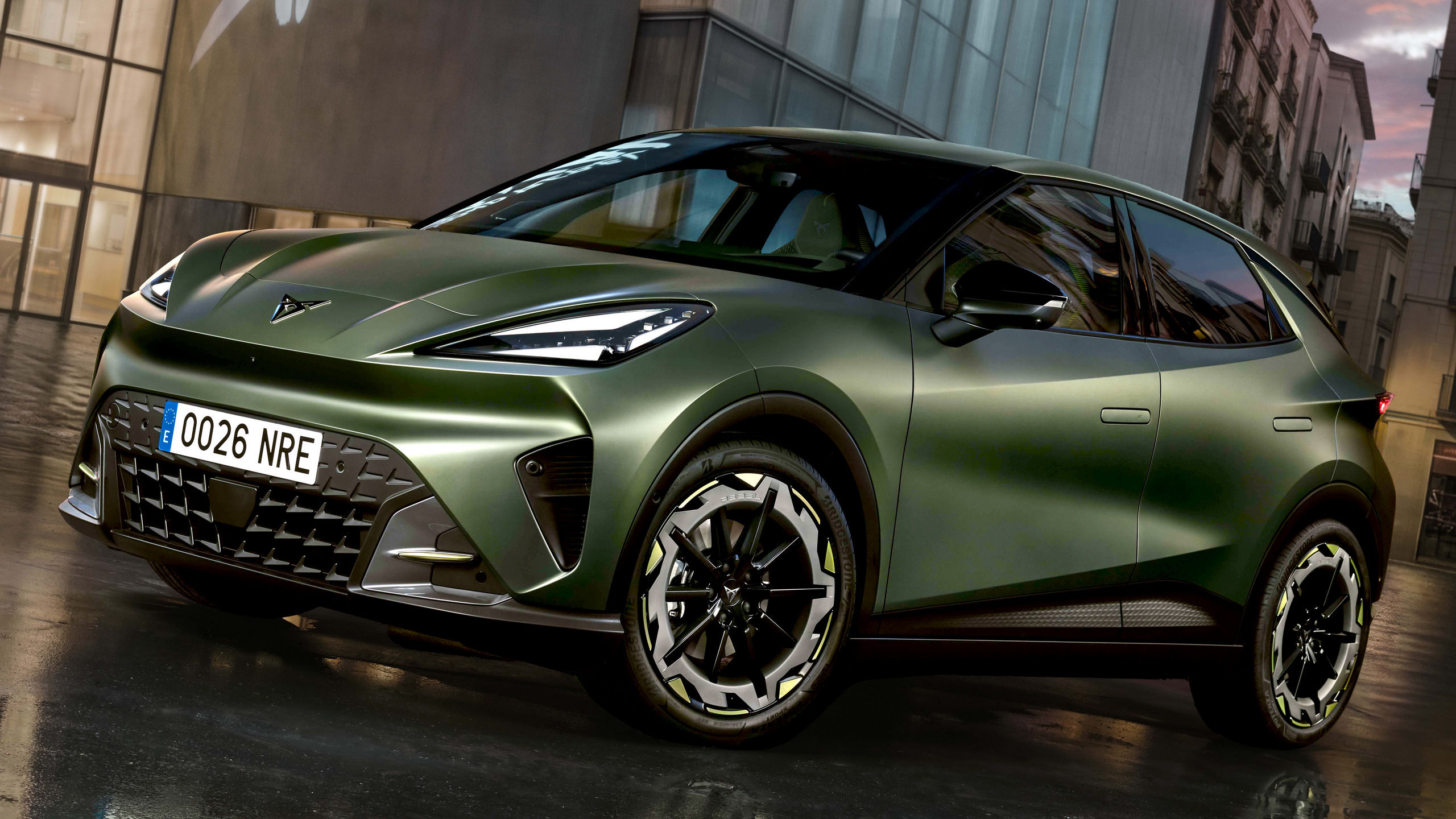
Photo · Carscoops
The coverage of the Cupra Raval has been predictable. Both Carscoops and Autocar clock the specs, note the Alpine A290 and Renault 5 in the same breath, and move on. Fair enough. Those are the obvious comparisons. But neither piece asks the question that actually matters: how did Cupra become the only brand in the VW Group with a discernible point of view?
Everyone is sharing bones. That's the open secret of modern car development. The Raval rides on MEB Plus — the same platform that will underpin the VW ID Polo, the ID Cross, and the Skoda Epiq. Same architecture, same cost-reduction logic, including a torsion beam rear suspension swap that Autocar noted as a deliberate simplification. The savings go straight to the sticker price, which lands below £23,000 in the UK. That's not a bad trick.
But shared platforms don't produce shared personalities. The ID.3 and the Born use the same bones too. One of them has a waiting list because people actually want it. The other one exists.
What the Specs Actually Say
The hot hatch variant — the VZ — puts out 222 bhp in Autocar's figures, 233 hp in Carscoops' accounting. Either way, it's serious. And Carscoops flagged a trick differential, which is the kind of hardware that separates something designed for driving from something designed for driving range press releases. That detail matters. It means someone at Cupra sat down and thought about what happens when the road gets interesting. That's rarer than it sounds.
The Raval is 4.05 meters long. Slightly larger than the Renault 5. Smaller than you'd expect a VZ-badged anything to be. That tension — hot hatch ambition in a supermini footprint — is exactly where the interesting stuff lives. The Alpine A290 proved the format works. Cupra is betting it can do it cheaper and still feel intentional.
The Brand Question Nobody's Asking
Cupra was invented in 2018. It was Seat's performance sub-brand, then it ate Seat entirely. The whole thing should feel like a marketing exercise — a nameplate bolted onto someone else's engineering to justify a price premium. And yet it doesn't. The Born landed well. The Formentor punches above its weight. Now the Raval arrives looking sharp, priced aggressively, and carrying hardware that suggests actual conviction.
Meanwhile, the rest of the VW Group is playing it safe. Volkswagen is making ID cars that are competent and forgettable. Skoda is being sensible. Audi is being expensive. Nobody is being interesting. Cupra is being interesting. That's not an accident — it's a strategy, and it's working.
The Renault 5 is a legitimate threat, and the A290 is genuinely good. The coverage is right to use them as reference points. But the more durable story here isn't about one supermini fighting another. It's about a brand that started as a footnote and is quietly becoming the only address in a major automotive group where someone still seems to care whether the car makes you feel something.
Shared platforms don't matter if the thing built on top of them has a reason to exist. The Raval looks like it does.
Keep reading cars.

800 Horsepower, One Ton of Doubt
Lamborghini built the most powerful SUV it's ever made. It's also slower than what it replaced.

£11,990 Draws a Line Under Every Excuse You Had Left
Dacia just made the cheapest new car in Britain electric — and that's not a footnote, it's a verdict.
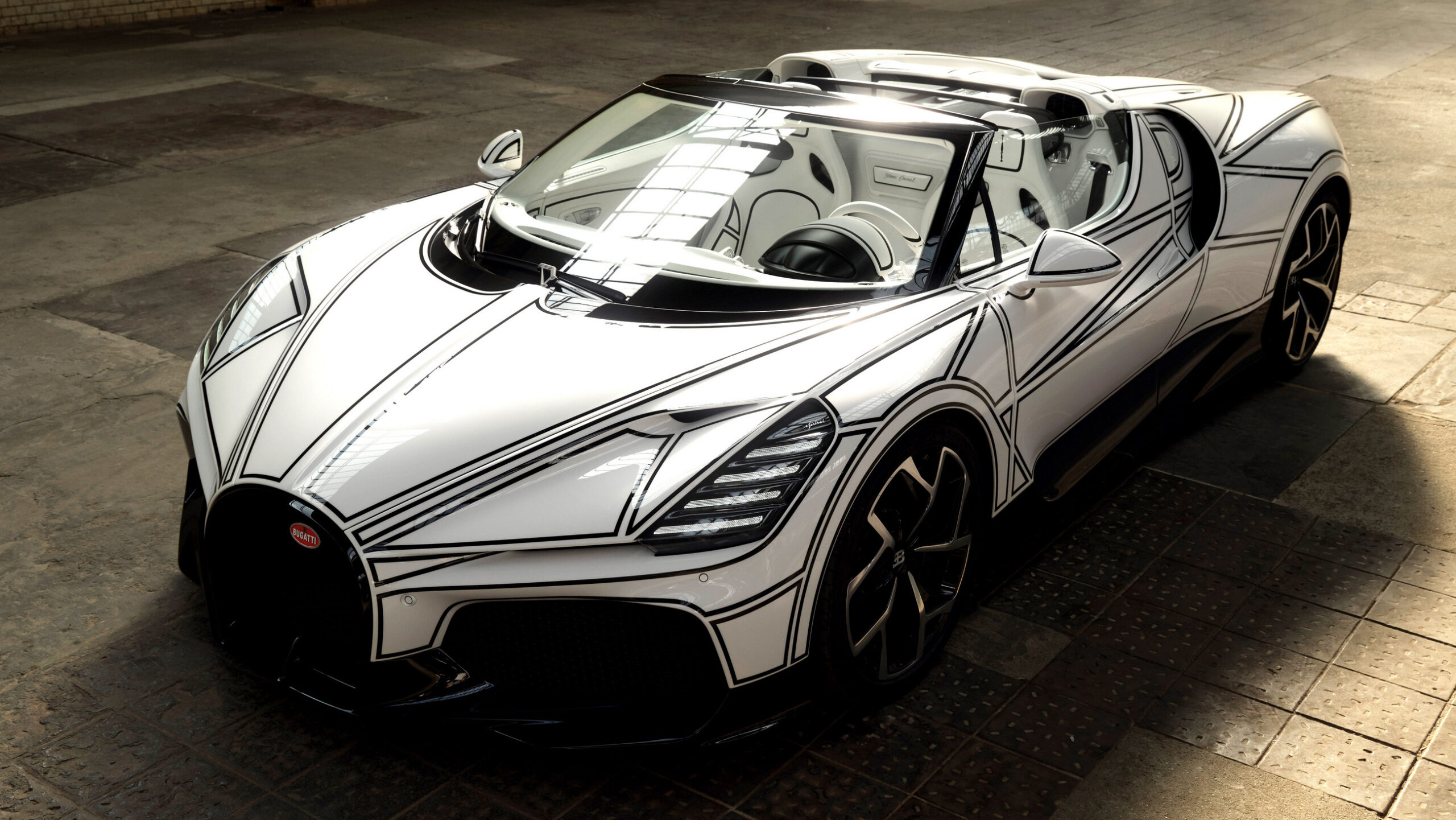
Blanc Éternel Hides Its Speed Behind a Gas Cap
Bugatti built a 261-mph roadster and made sure you'd notice the porcelain first.
From the other desks.

Gold Leaf on a Lacquer Dial, and the Weight of What That Costs
Awake's Frosted Leaf Royal Blue asks a question Vietnamese craft has never quite had to answer at this price.

ESPN Named Him. Then Unnamed Him. Nobody's Explaining the Gap.
A retraction without a reckoning is just a deleted link.

Hide My Email Has Been Showing Your Email
Apple's privacy flagship has a hole in it. They've known for over a year.