Half the Cost, Three Times the Ambition
Rivian didn't get smarter about building cars. It got honest about what building cars actually requires.
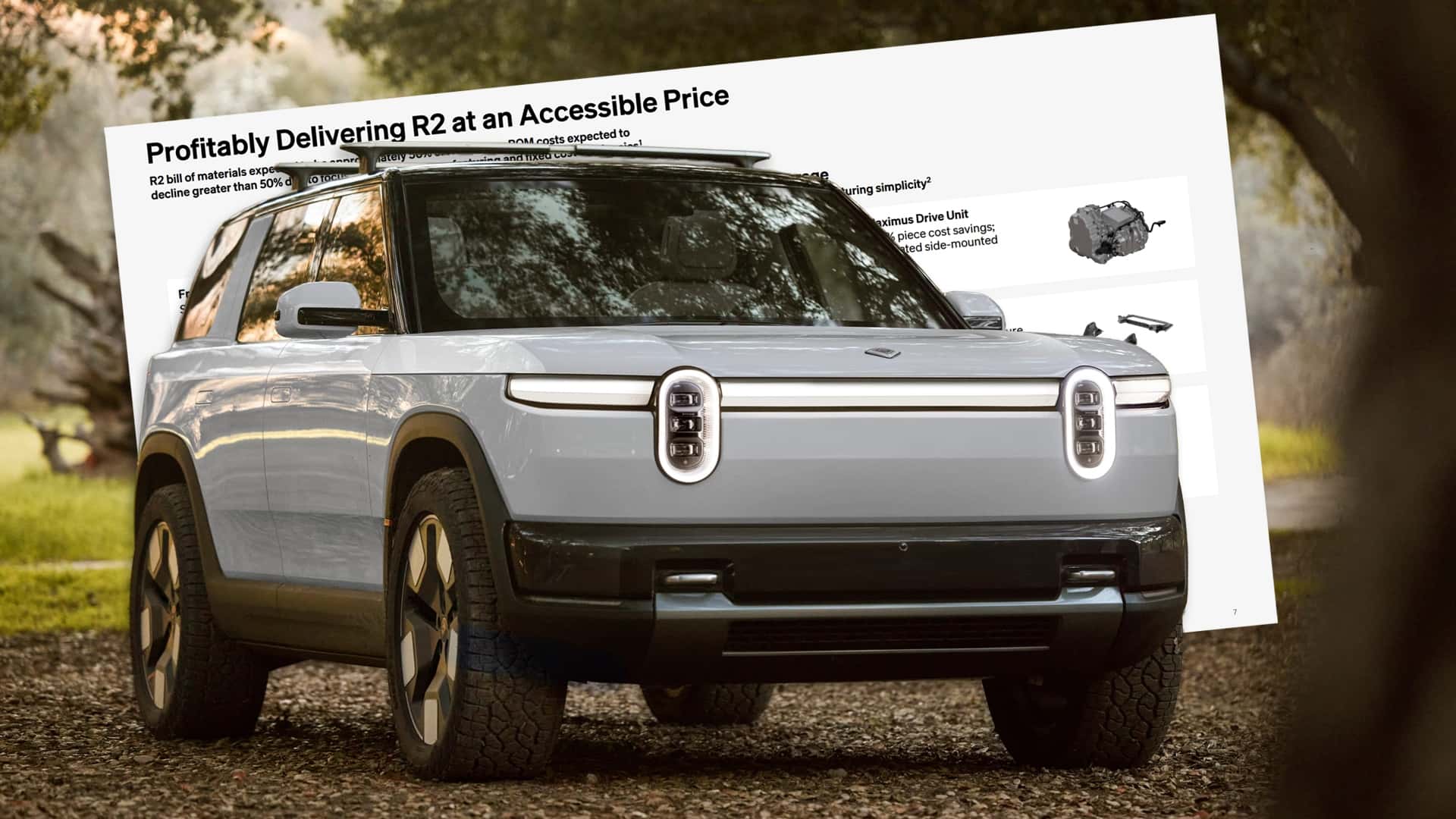
Photo · InsideEVs - Articles
There's a version of the Rivian story where the R1S is the hero — a truck-sized statement about what electric vehicles could be, priced accordingly, built with the kind of parts-count that made accountants nervous. That version ends with a company that makes beautiful things for not enough people.
The R2 is a different story. And the Georgia plant is where it gets told at volume.
Rethinking the Build
Rivian cut the cost to build the R2 to roughly half what it costs to build the R1S. Not by compromising the vehicle in ways a buyer would feel, but by rethinking the architecture underneath it — shorter wire harnesses, fewer individual components, a manufacturing logic that treats complexity as a liability rather than a feature. One piece of reporting from InsideEVs traced the methodology in some detail: the savings weren't found in one dramatic decision but accumulated across dozens of smaller ones, each one unglamorous, each one compounding.
This is the part the industry tends to underreport. Innovation in EVs gets framed as battery chemistry breakthroughs and software stacks. The actual competitive lever, the one that determines whether a company survives the next five years, is how many discrete parts it takes to put a car together and how far electricity has to travel through a chassis to make it move. Rivian apparently spent serious time on both questions.
The result is a vehicle that costs less to produce and, at a lower price point, opens the market considerably. That math isn't subtle.
Georgia, at Scale
The new plant in Georgia — already under construction — has been bumped to an initial capacity of 300,000 units. Production is still targeting a 2028 start. That number, 300,000, is a different kind of statement than anything the R1 ever made. It's not about proving a concept. It's about filling a factory.
For context: Rivian has been operating at a fraction of what a mature automaker would call volume. The Normal, Illinois facility has been improving, but the Georgia plant represents a step-change in ambition. You don't design a factory for 300,000 units unless you believe the demand exists and, crucially, unless you believe you can build the thing profitably enough that scaling actually helps you instead of accelerating the losses.
The cost engineering on the R2 and the capacity planning for Georgia aren't separate announcements that happened to land close together. They're the same argument. You get to 300,000 units by building something people can afford. You build something people can afford by taking a hard look at every wire and bracket and asking whether it needs to be there.
That discipline — unglamorous, iterative, unworthy of a keynote — is what separates companies that scale from companies that stay interesting.
What the Coverage Keeps Missing
Both pieces treat these developments as good news for Rivian, which they are. But the more uncomfortable read is what it says about the first chapter. The R1S is an extraordinary vehicle by most accounts. It's also proof that extraordinary vehicles, built without manufacturing discipline, are a path to a very specific kind of financial stress. Rivian apparently learned that lesson and encoded the correction directly into the R2's DNA.
The R2 isn't a retreat. It's a recalibration — the company deciding that being right about what EVs could be is less useful than being right about how to build them at a price that doesn't require a customer to really commit.
Some companies figure this out early. Some figure it out after spending years proving the hard way that design excellence and manufacturing excellence are not the same skill.
Rivian figured it out before the Georgia plant poured its first production unit. That's not nothing. That might be everything.
Keep reading cars.

800 Horsepower, One Ton of Doubt
Lamborghini built the most powerful SUV it's ever made. It's also slower than what it replaced.

£11,990 Draws a Line Under Every Excuse You Had Left
Dacia just made the cheapest new car in Britain electric — and that's not a footnote, it's a verdict.
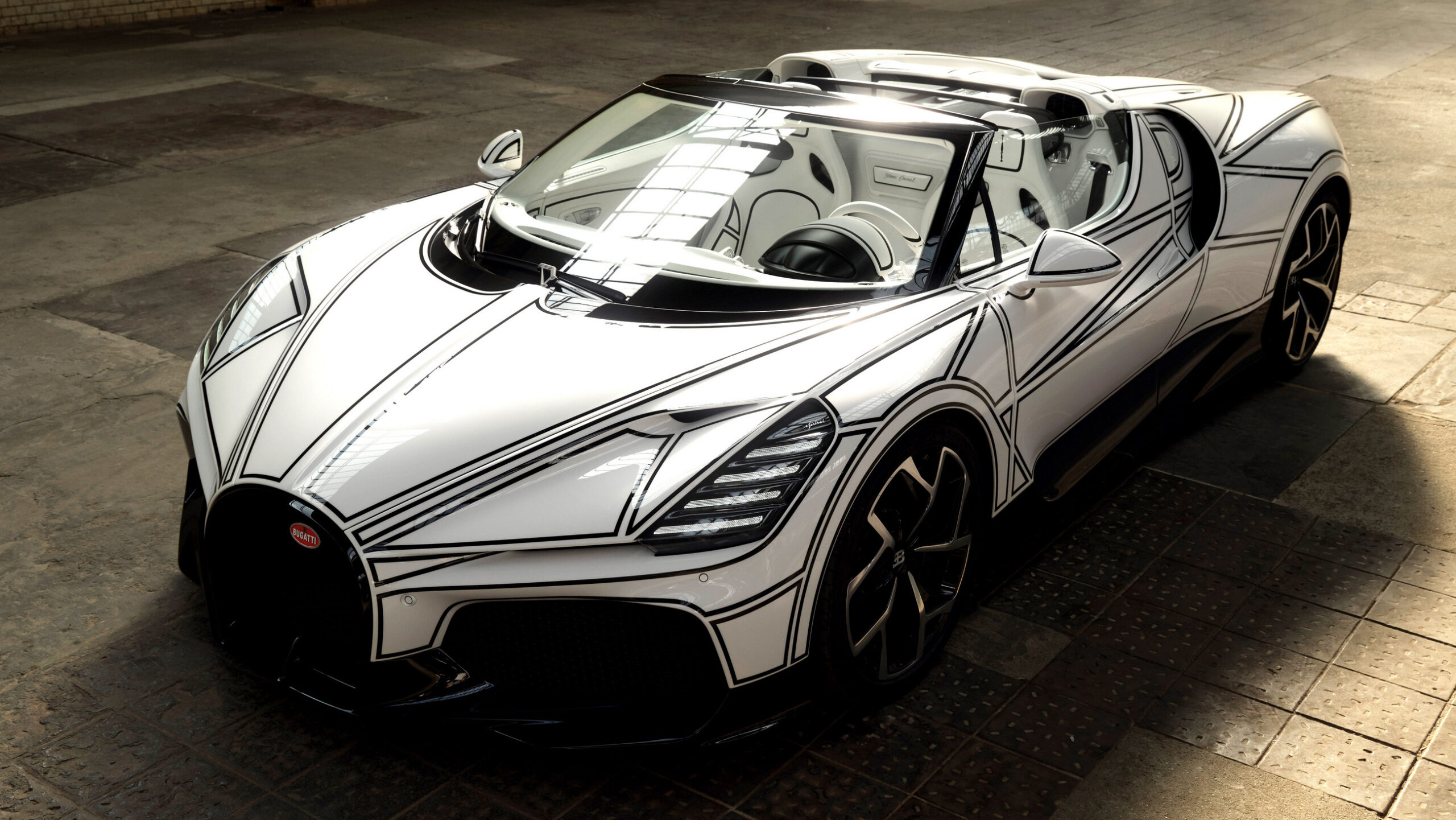
Blanc Éternel Hides Its Speed Behind a Gas Cap
Bugatti built a 261-mph roadster and made sure you'd notice the porcelain first.
From the other desks.

Gold Leaf on a Lacquer Dial, and the Weight of What That Costs
Awake's Frosted Leaf Royal Blue asks a question Vietnamese craft has never quite had to answer at this price.

ESPN Named Him. Then Unnamed Him. Nobody's Explaining the Gap.
A retraction without a reckoning is just a deleted link.

Hide My Email Has Been Showing Your Email
Apple's privacy flagship has a hole in it. They've known for over a year.