Hyundai Drew Supercar Lines on a Commuter Car. Now Everyone Has to Respond.
The 2027 Elantra didn't borrow from the competition — it borrowed from something much more dangerous.
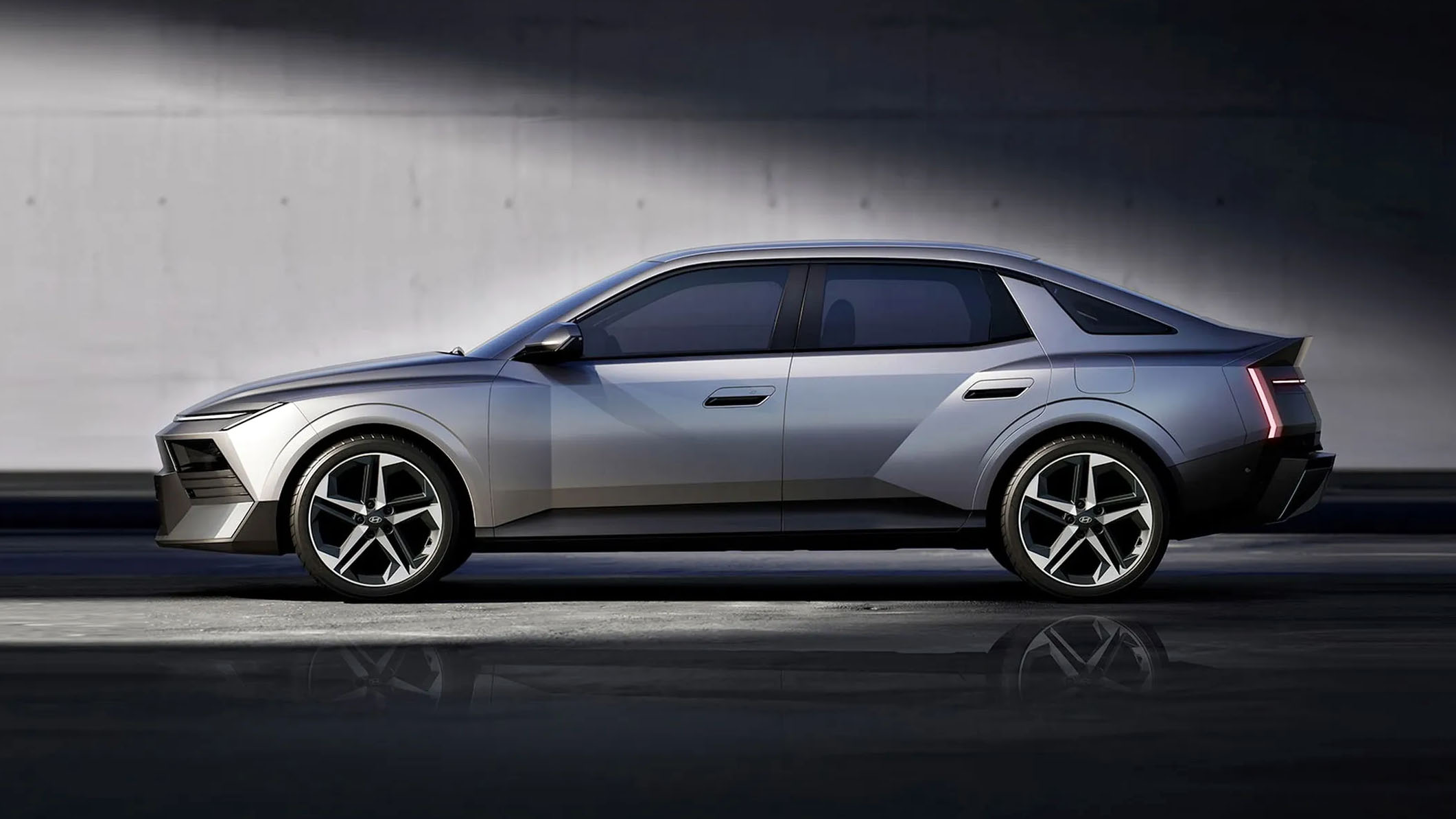
Photo · The Drive
There's a version of this story where Hyundai plays it safe. A compact sedan refresh, a few tweaked creases, updated infotainment, done. Nobody gets hurt. Nobody gets excited either.
That is not what happened.
The 2027 Elantra — sold in South Korea as the Avante — arrives wearing what Hyundai calls its 'Art of Steel' design language, and the sources covering it seem genuinely surprised at how far the company was willing to go. The Drive called it going "kind of hard." Jalopnik noted that Hyundai didn't play it safe with one of its best-selling cars. Autocar described it as the most extreme application of the 'Art of Steel' philosophy yet. That's three publications independently reaching for the same word: extreme. For a compact sedan. That's worth sitting with.
The visual reference point here isn't a rival from Toyota or Honda. According to the coverage, the surfacing and lighting draw from the N Vision 74 — a supercar concept. Hyundai pulled supercar DNA and stitched it onto a car that people buy to drive to work. That's either a bold act of design philosophy or a category-collapsing provocation, and honestly, it might be both.
Bigger, Sharper, More of Everything
The numbers back up the ambition. The wheelbase grows 30mm over the previous generation. The car also widens by 30mm. Autocar notes it's slightly larger than the Skoda Octavia as a reference point for scale. Hyundai says the priority was interior space — and inside, the design wraps the cabin around the occupant, dashboard and door cards cocooning the seats. The word Hyundai chose for that interior feeling: "cozy and comfortable." That's an interesting tension they're not resolving so much as holding. Aggressive outside. Sheltered inside. Like armor with a good lining.
Power comes from updated petrol and hybrid options. There's a new infotainment system called Pleos. The bones of the thing are solid, functional, generation-over-generation improvement.
But nobody's writing four separate pieces about the infotainment system.
What Nobody's Quite Saying
Here's the meta-observation the coverage circles without landing on: this redesign isn't really about the Elantra. It's about permission.
For years, mass-market compact sedans existed in a visual category defined by inoffensiveness. You made them aerodynamic, maybe slightly sporty, but you never made them confrontational. Confrontational was for halo cars. Confrontational was earned, not given. The implicit rule was: if you sell 200,000 units a year, you design for the median, not the edge.
Hyundai just ignored that rule publicly, on a global stage, with a car that sells in serious volume. The sharp angles, the aggressive surfacing, the lighting geometry pulled from a concept vehicle — that's not a styling department having fun on a Friday. That's a corporate bet that the mass-market buyer has changed, or at least that enough of them have changed to make this worth the risk.
Maybe they're right. The Elantra has been competitive enough that Hyundai had room to gamble. When your fundamentals are solid, you can spend some credibility on vision.
What I keep coming back to is the weight of that choice. Every other compact sedan maker now has to decide: do we respond in kind, or do we hold the line on restraint? Because if this design resonates — if buyers reward the aggression rather than flinching from it — the entire segment gets repriced. Not in dollars. In ambition.
A car that looks like it wants something is a different object than a car that just wants to be chosen.
Keep reading cars.

800 Horsepower, One Ton of Doubt
Lamborghini built the most powerful SUV it's ever made. It's also slower than what it replaced.

£11,990 Draws a Line Under Every Excuse You Had Left
Dacia just made the cheapest new car in Britain electric — and that's not a footnote, it's a verdict.
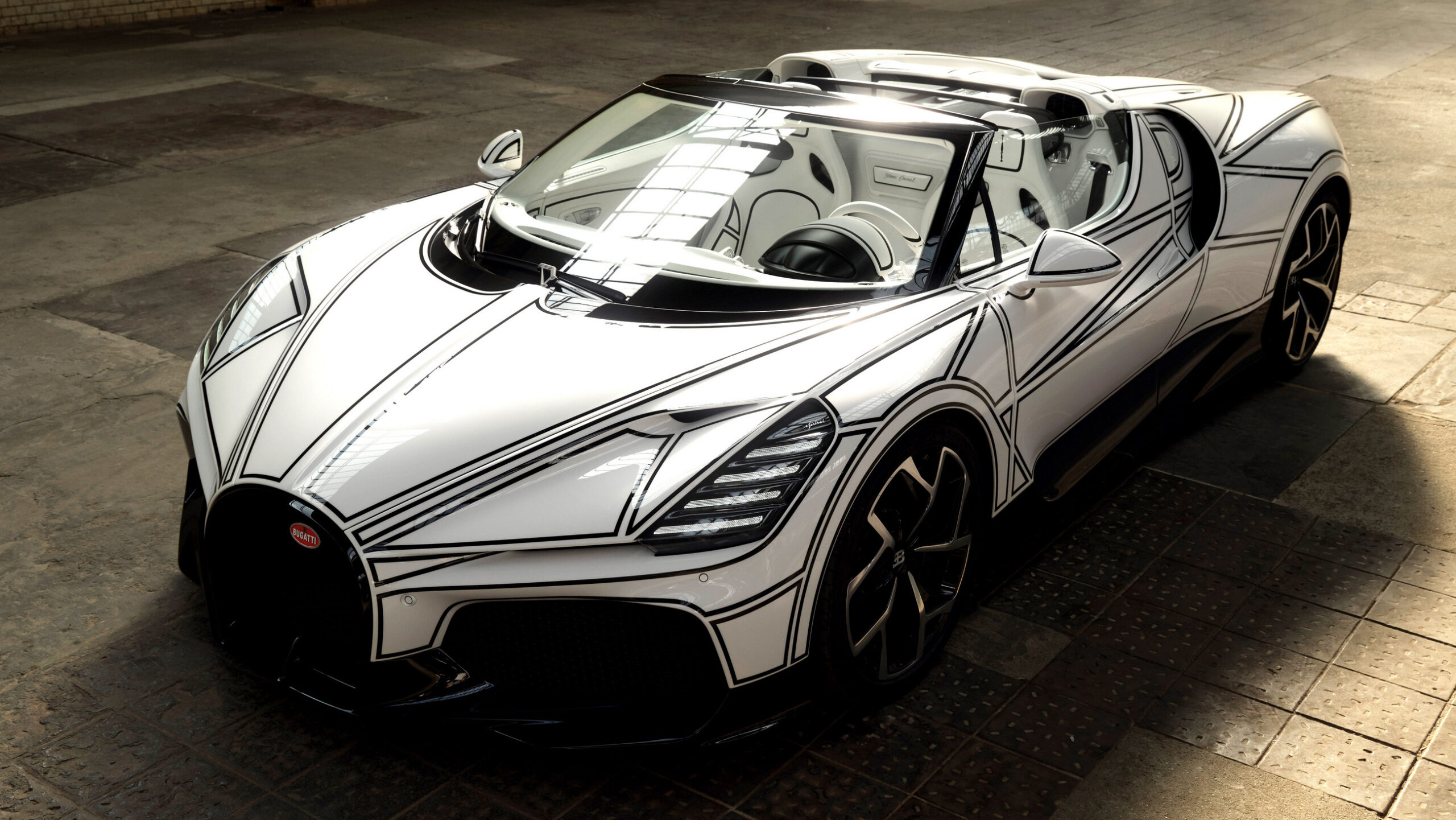
Blanc Éternel Hides Its Speed Behind a Gas Cap
Bugatti built a 261-mph roadster and made sure you'd notice the porcelain first.
From the other desks.

Gold Leaf on a Lacquer Dial, and the Weight of What That Costs
Awake's Frosted Leaf Royal Blue asks a question Vietnamese craft has never quite had to answer at this price.

ESPN Named Him. Then Unnamed Him. Nobody's Explaining the Gap.
A retraction without a reckoning is just a deleted link.

Hide My Email Has Been Showing Your Email
Apple's privacy flagship has a hole in it. They've known for over a year.