Volkswagen Is Trying to Survive Itself
A hundred thousand jobs. Four factories. One company that may not exist in its current form much longer.
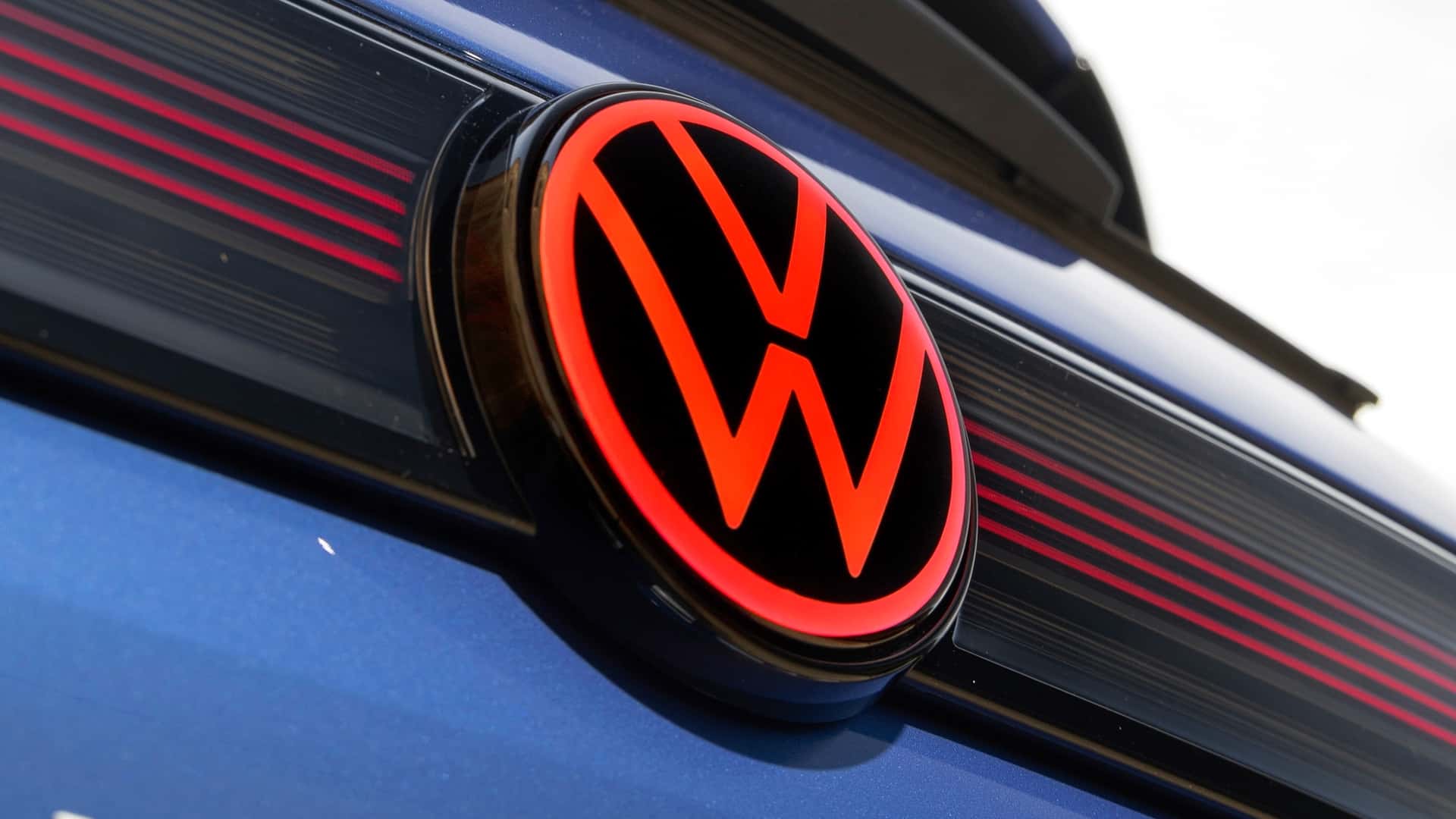
Photo · Motor1.com - Articles
There's a version of this story where you call it a pivot. A bold restructuring. A company reading the room. But when the numbers attached to your survival plan include 100,000 jobs and four factory closures, you've moved past pivot. You're in demolition territory.
That's where Volkswagen reportedly finds itself. According to coverage across Motor1, Ars Technica, and Engadget, the automaker is weighing cuts at a scale that would reshape not just its workforce but its fundamental architecture — with one report suggesting the core VW brand could be separated from VW Group entirely. That last detail is the one that keeps pulling me back. Not the job numbers, staggering as they are. The structure. Because if you're splitting the nameplate from the conglomerate, you're not trimming fat. You're questioning whether the whole animal was ever the right shape.
The Map No Longer Matches the Territory
The backdrop here matters, and the sources are clear about it: sales have fallen in the US, and the situation in China — once the engine of VW's global growth — has deteriorated significantly. That's not a rough quarter. That's a structural shift in two of the most consequential car markets on earth, happening simultaneously, to a company that built its modern identity on volume.
Volkswagen became what it became by selling a lot of cars to a lot of people. The whole logic of the group — the tiered brands, the shared platforms, the manufacturing footprint — was optimized for that reality. When that reality changes, the machine doesn't just underperform. It becomes its own liability. Every factory you can't fill is overhead. Every platform you can't amortize across enough units is a bet that didn't pay.
So you get a restructuring plan that sounds less like a business strategy and more like controlled disassembly. Four factories. A hundred thousand people. And the possibility that the brand most people associate with the whole operation gets carved out and repositioned as its own thing.
What Legacy Costs
Here's the part the coverage doesn't quite name directly, but that sits underneath all three pieces: the scale that made Volkswagen powerful is now the thing making it slow. The very infrastructure built to dominate a combustion-era market — the plants, the workforce, the organizational complexity — is what has to be dismantled to compete in whatever comes next.
That's a brutal irony, and it's not unique to VW. But VW is the one staring at nine figures in workforce reduction right now, which makes the irony considerably less abstract.
Legacy automakers have been promising transitions for years. Electrification timelines. Platform overhauls. Carbon targets set comfortably in the future. What's different about this moment is that the reckoning isn't theoretical anymore. It's denominated in factory closures and separation agreements and the kind of numbers that make labor unions mobilize. The credibility gap between the roadmap and the balance sheet has finally closed — just not in the direction anyone wanted.
The question nobody can fully answer yet is whether a company that has to break itself apart to stay competitive ends up with something coherent on the other side, or just a smaller version of the same problem.
Scale doesn't guarantee survival. But dismantling it doesn't either.
Keep reading cars.

800 Horsepower, One Ton of Doubt
Lamborghini built the most powerful SUV it's ever made. It's also slower than what it replaced.

£11,990 Draws a Line Under Every Excuse You Had Left
Dacia just made the cheapest new car in Britain electric — and that's not a footnote, it's a verdict.

Blanc Éternel Hides Its Speed Behind a Gas Cap
Bugatti built a 261-mph roadster and made sure you'd notice the porcelain first.
From the other desks.

Gold Leaf on a Lacquer Dial, and the Weight of What That Costs
Awake's Frosted Leaf Royal Blue asks a question Vietnamese craft has never quite had to answer at this price.

ESPN Named Him. Then Unnamed Him. Nobody's Explaining the Gap.
A retraction without a reckoning is just a deleted link.

Hide My Email Has Been Showing Your Email
Apple's privacy flagship has a hole in it. They've known for over a year.