McLaren Wants $375 for a Golf Iron. Lotus Dealers Are Eating $68,000.
Two data points from opposite ends of the hypercar pricing experiment — and together, they tell you exactly where the badge economy is headed.
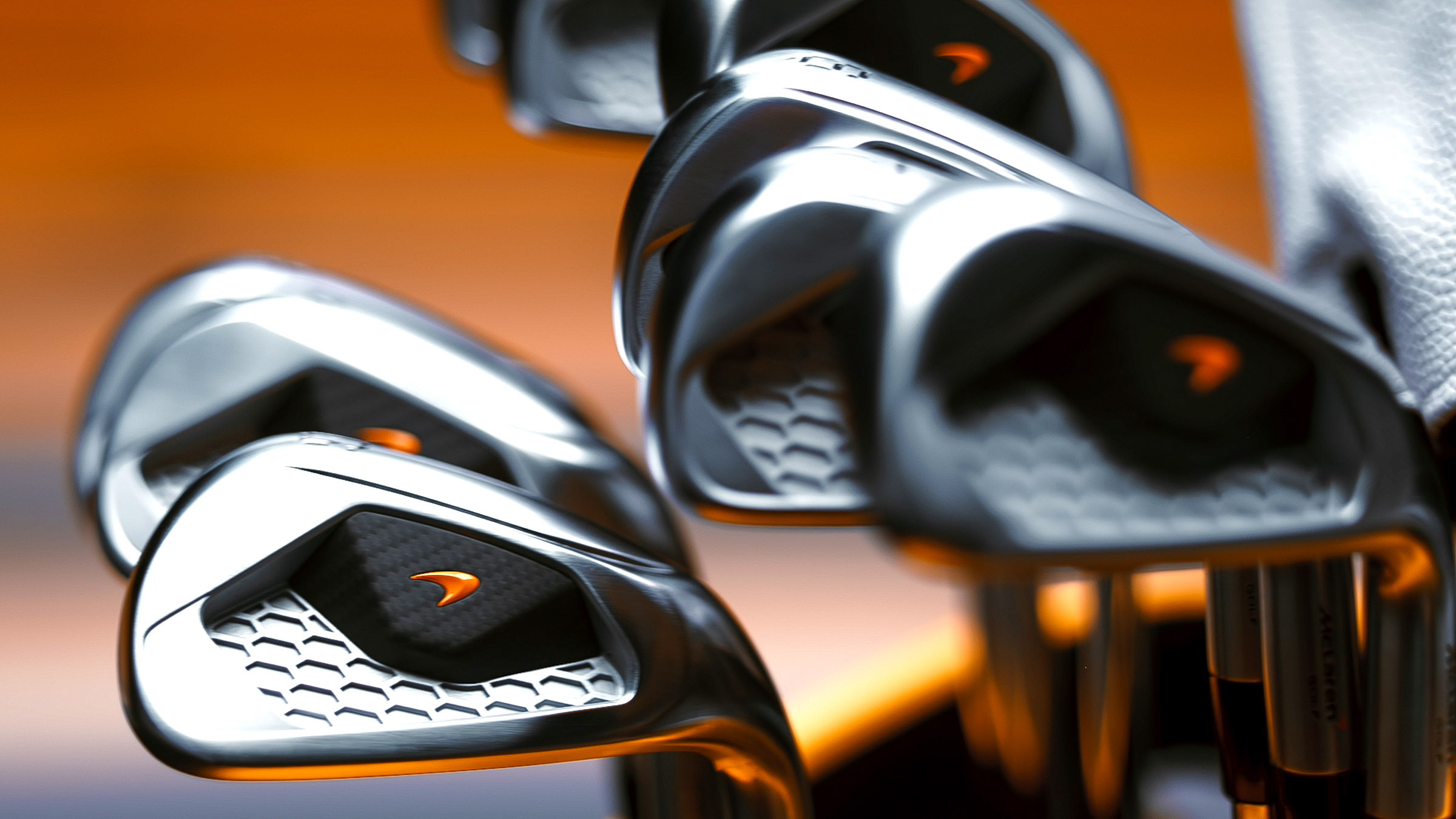
Photo · Carscoops
There's a number that keeps surfacing in coverage of the hypercar world lately, and it isn't a horsepower figure or a lap time. It's a discount. Sixty-eight thousand dollars, to be precise — the gap between what Lotus wants for the Emeya and what UK dealers are apparently willing to take for it, according to Carscoops. Unused cars. Sitting on lots. Marked down from $189,000 to around $121,000.
That's not a sale. That's a confession.
When the Badge Stops Doing the Work
At roughly the same moment, McLaren launched a golf range. A single iron — one club — carries a $375 price tag, according to the same outlet. Bags, hats, headcovers: all priced in the same register, all carrying the same winged logo that sits on cars costing hundreds of thousands of dollars.
These two stories seem unrelated. They are not.
One brand is trying to grow the badge into new territory, stretching it across fairways and country clubs, betting that the name still commands a premium anywhere it lands. The other brand is watching its badge fail to hold a price on the very product that built the badge in the first place. Both moves make a kind of sense in isolation. Together, they reveal something uncomfortable about where performance car pricing has arrived.
For a decade or more, the calculus was simple: build something fast enough, rare enough, and loud enough, and the number on the window becomes almost beside the point. The buyer isn't comparing spreadsheets. They're buying access to a story. The car is almost secondary to the mythology around it.
But mythology has carrying costs. And 905 horsepower, it turns out, doesn't automatically justify a sticker when a buyer can see the same car sitting unsold down the road with $68,000 quietly removed from the ask.
Two Strategies, One Problem
McLaren's golf iron isn't cynical, exactly. Extending into lifestyle is a reasonable play — plenty of performance brands have done it, and done it well. But $375 for a single club works only if the person buying it believes, without hesitation, that the name on the shaft means something beyond the car. That the mythology is portable. That it travels onto the green as cleanly as it travels down a straight.
The Lotus situation suggests that mythology is harder to port than it looks. The Emeya is, by any technical measure, a serious machine — 905 horsepower, a direct swing at the electric sedan segment's most credible players. Carscoops framed it as a Taycan rival. The specs are there. What apparently isn't there, at the original price, is enough buyers willing to pay for the name attached to those specs.
So the dealers moved. Sixty-eight thousand dollars of movement.
There's a version of this story where you feel sympathy for Lotus — a brand genuinely trying to reinvent itself in the most expensive segment of the most expensive market shift in automotive history. There's another version where you recognize that the EV performance sedan space has gotten crowded fast, and that heritage only carries so far when the competition has newer hardware and stronger infrastructure.
Both versions are probably true.
What neither version can escape is this: when the market reprices your car by $68,000 in what appears to be real time, the gap between what a brand believes it's worth and what a buyer will actually pay has become visible. Uncomfortably, publicly visible.
McLaren is betting the badge can expand. Lotus is learning the badge has limits.
Somewhere between a $375 golf iron and a $68,000 markdown is the actual value of a name — and right now, nobody seems entirely sure where that number lands.
Keep reading cars.

800 Horsepower, One Ton of Doubt
Lamborghini built the most powerful SUV it's ever made. It's also slower than what it replaced.

£11,990 Draws a Line Under Every Excuse You Had Left
Dacia just made the cheapest new car in Britain electric — and that's not a footnote, it's a verdict.
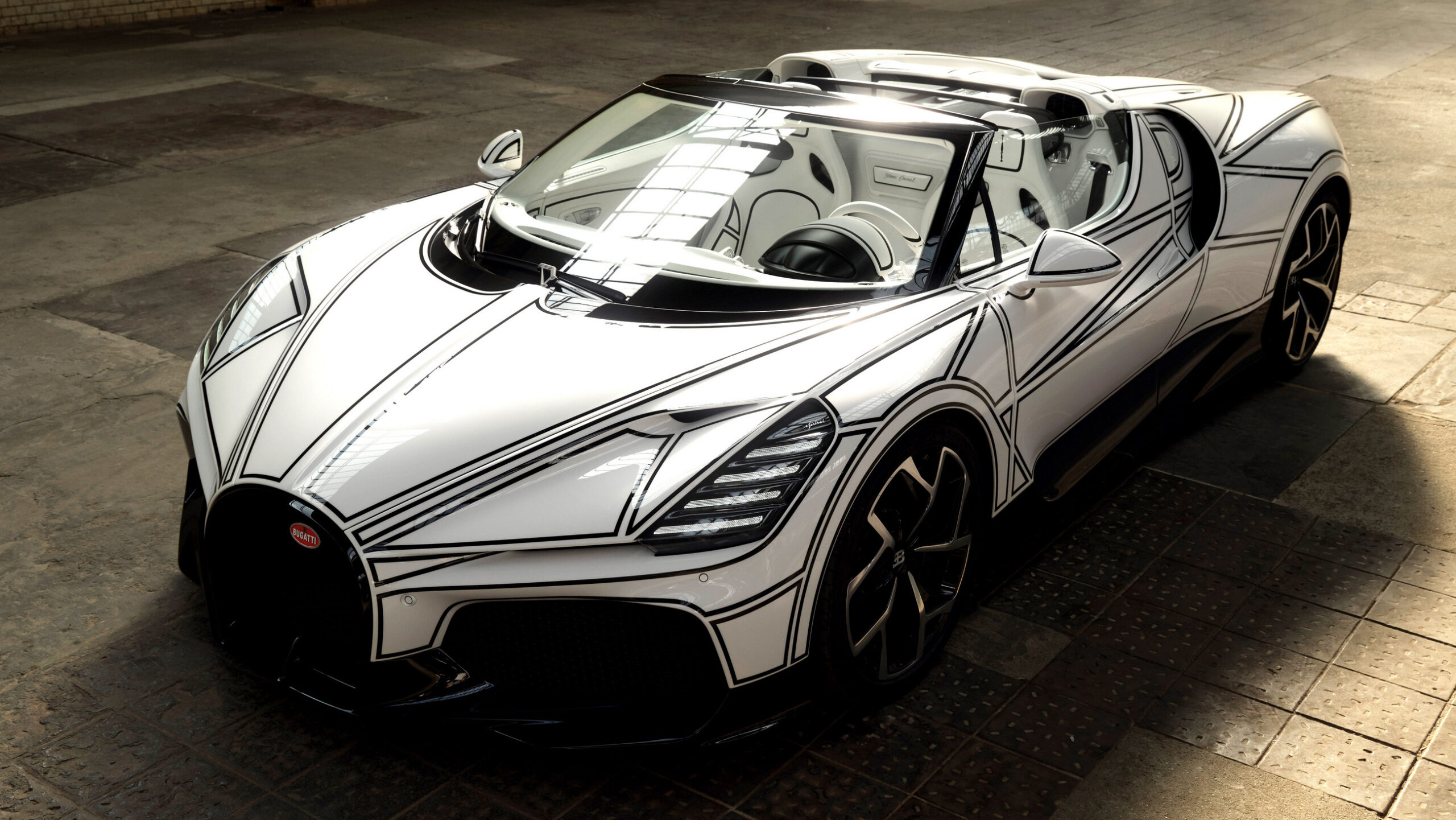
Blanc Éternel Hides Its Speed Behind a Gas Cap
Bugatti built a 261-mph roadster and made sure you'd notice the porcelain first.
From the other desks.

Gold Leaf on a Lacquer Dial, and the Weight of What That Costs
Awake's Frosted Leaf Royal Blue asks a question Vietnamese craft has never quite had to answer at this price.

ESPN Named Him. Then Unnamed Him. Nobody's Explaining the Gap.
A retraction without a reckoning is just a deleted link.

Hide My Email Has Been Showing Your Email
Apple's privacy flagship has a hole in it. They've known for over a year.