Mercedes Helped Build the Thing That's Coming to Replace It
The Denza Z9 GT is a 1,139-hp shooting brake — and the fact that Mercedes co-created the brand behind it is the most interesting part of the story.
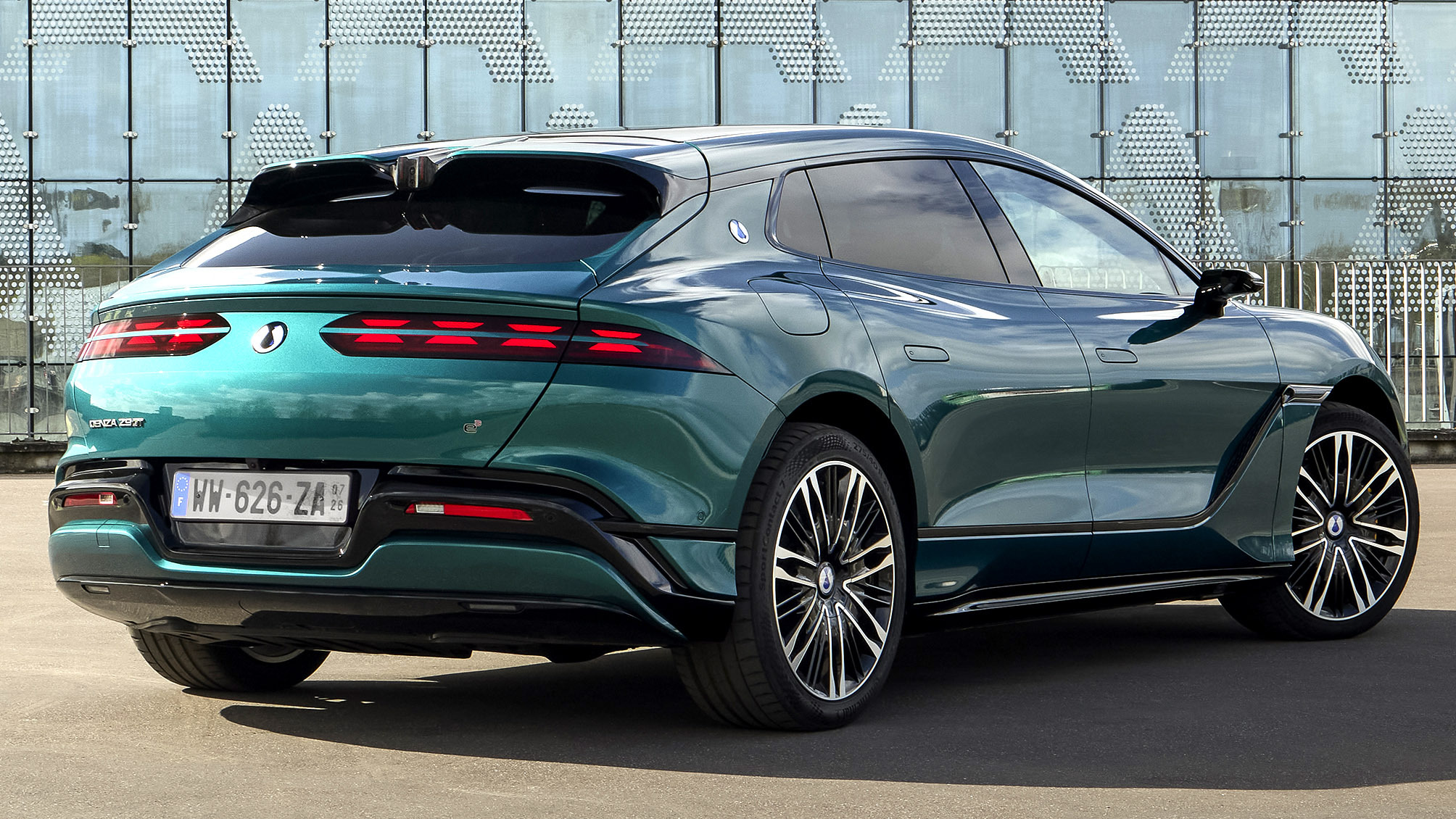
Photo · Carscoops
There's a particular kind of irony that only global capitalism can produce. Mercedes-Benz spent years helping BYD build Denza into a credible nameplate. Now Denza is arriving in Europe with a 1,139-horsepower shooting brake, targeting exactly the buyers Mercedes has spent a century cultivating. Carscoops has flagged this contradiction plainly, and they're right to. The story isn't really about the car. It's about what it means that this car exists at all.
The Z9 GT is the kind of vehicle that stops a conversation. A shooting brake with over a thousand horsepower is already a provocation. That it comes from a brand Mercedes helped engineer, fund, and legitimize makes it something closer to a parable.
What Mercedes Actually Built
When European manufacturers partnered with Chinese companies over the past decade, the framing was always the same: we're accessing their market, they're accessing our expertise. A clean exchange. Both sides get something, nobody loses anything they weren't already willing to give.
That framing is aging badly.
BYD didn't just absorb the lessons and stay put. They built on them, scaled them, and are now pointing the result westward. Denza is the specific vehicle for that move — positioned above BYD's mainstream offerings, carrying enough design ambition to credibly compete on a showroom floor in Munich or Milan. The Z9 GT, with its shooting brake roofline and four-figure power output, isn't an experiment. It's a statement of intent rendered in steel and software.
Mercedes didn't just help create a competitor. They helped create a competitor that knows exactly who Mercedes' customers are, because those were the customers the partnership was always oriented around.
The Number That Changes the Conversation
1,139 horsepower is a press release number. No one needs it. That's not the point.
The point is that Denza is leading with excess on purpose. You don't open a European market push with a long-range minivan and a four-figure horsepower shooting brake because you expect both to sell in volume. You do it because you want to be taken seriously before anyone has a chance to decide not to. It's the same move Hyundai made with the original Genesis Coupe, the same move Kia made with the EV6 GT. Arrive loud. Make the press write about you. Let the more sensible products follow once the name means something.
The difference here is that the brand already has two decades of history, a co-founder with a German accent, and a manufacturing base that can move faster than almost anyone in the industry.
Carscoops is right to treat this as a European push worth watching. What they've identified — even if the piece doesn't quite linger on it — is that the Denza story is the clearest example yet of the joint-venture era producing an outcome that the Western half of those ventures didn't fully price in.
Mercedes built something. It just wasn't theirs to keep.
Keep reading cars.

800 Horsepower, One Ton of Doubt
Lamborghini built the most powerful SUV it's ever made. It's also slower than what it replaced.

£11,990 Draws a Line Under Every Excuse You Had Left
Dacia just made the cheapest new car in Britain electric — and that's not a footnote, it's a verdict.
Blanc Éternel Hides Its Speed Behind a Gas Cap
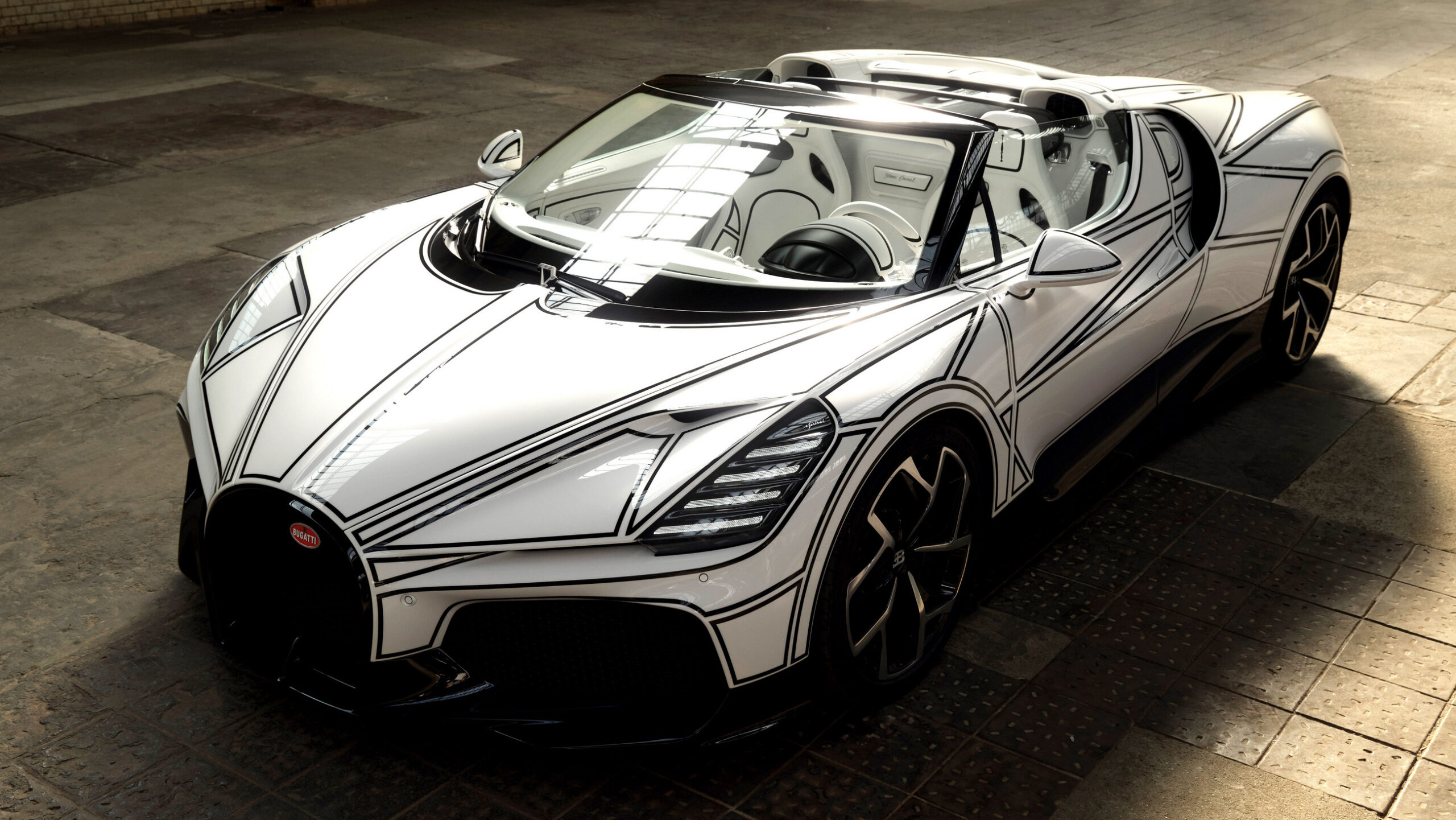
Bugatti built a 261-mph roadster and made sure you'd notice the porcelain first.
From the other desks.

Gold Leaf on a Lacquer Dial, and the Weight of What That Costs
Awake's Frosted Leaf Royal Blue asks a question Vietnamese craft has never quite had to answer at this price.

ESPN Named Him. Then Unnamed Him. Nobody's Explaining the Gap.
A retraction without a reckoning is just a deleted link.

Hide My Email Has Been Showing Your Email
Apple's privacy flagship has a hole in it. They've known for over a year.