Mercedes Is Winning the Wrong Race
Strong EVs, rising numbers, and a China problem that math can't fix.
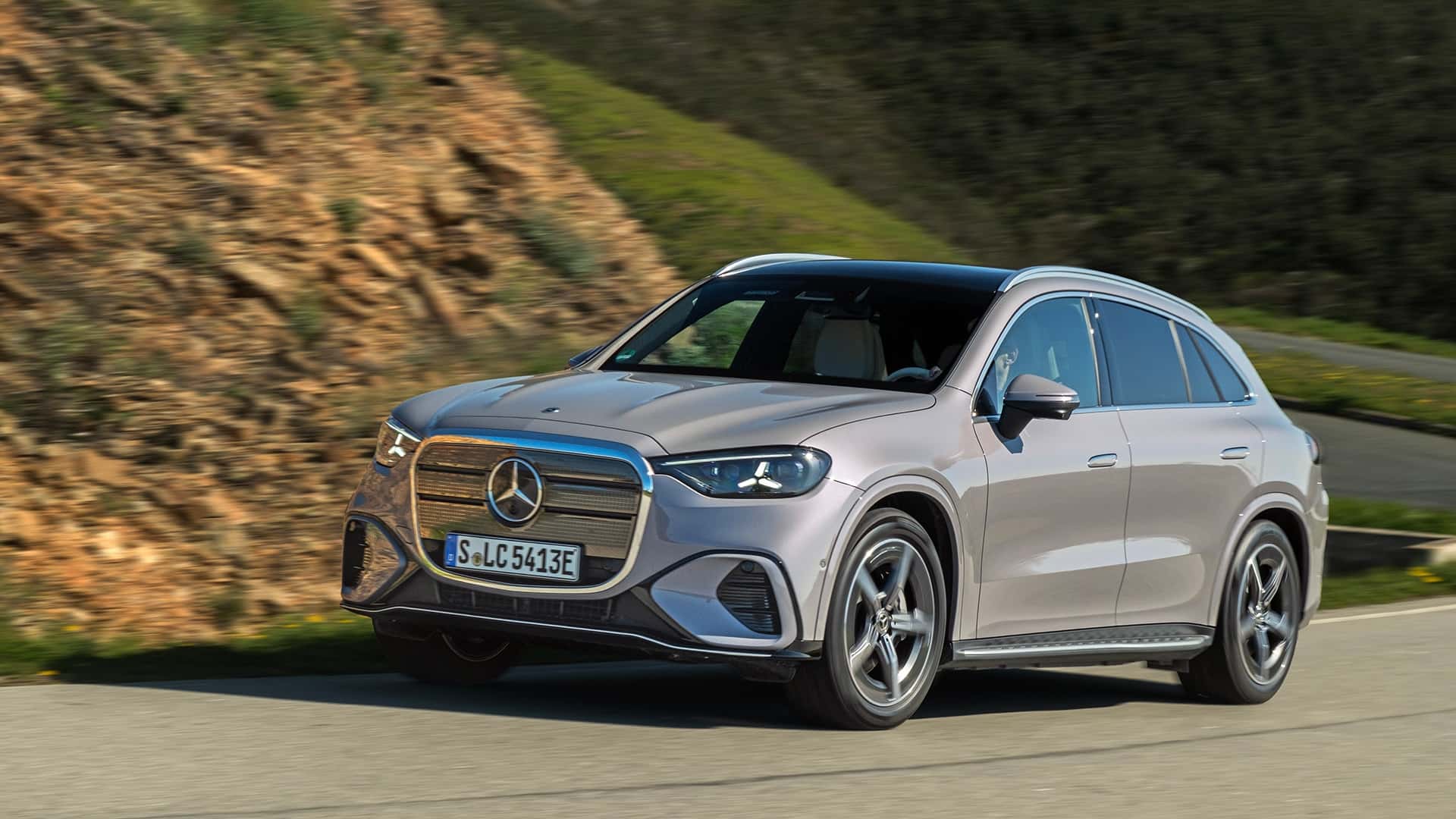
Photo · InsideEVs - Articles
The Scoreboard Lies
There's a version of this story where Mercedes is doing fine. The new CLA is building momentum. The electric GLC is finding buyers. The numbers in certain markets are moving in the right direction, and if you squint at the right columns, you can almost convince yourself the transition is going smoothly.
A writer at InsideEVs isn't squinting. They're pointing at China — and what's happening there is doing real damage to Mercedes' global EV totals. One market. One quarter. Enough to undercut the rest of the story.
That's the take, and it's worth sitting with. Not because it's devastating — Mercedes isn't going anywhere — but because of what it reveals about the geography of ambition in the EV era.
When Momentum Has a Leak
Winning in Europe or the U.S. while losing ground in China isn't a minor footnote. China is too large, too fast, and too competitive for any automaker to treat it as an acceptable loss. The domestic brands there have moved quickly, and the pressure they've created isn't easing. For a German brand built on the idea that prestige travels, watching that prestige erode in one of the world's most important markets is a specific kind of problem — one that a strong CLA quarter in Germany doesn't solve.
What the InsideEVs piece captures is the tension that lives inside aggregate numbers. A company can be genuinely improving in some places while genuinely struggling in others, and the total just flattens it into a single misleading data point. Mercedes' EV story right now is both of those things at once, and pretending otherwise would be lazy.
The new models are real progress. The electric GLC and the CLA aren't vaporware or concept-show theater — they're cars people are actually buying. That matters. Momentum in product development is hard to fake and harder to reverse once it's lost. Mercedes has it, at least in part.
But product momentum and market momentum aren't the same thing. You can build a better car and still lose ground if the market you're losing it in has already moved on to something else, something cheaper, something built closer to home with a supply chain that doesn't have to cross an ocean.
China has that. In abundance.
The honest read of this quarter isn't that Mercedes is failing. It's that the company is running two races simultaneously — one it's starting to win, one it's still figuring out how to enter — and the results are getting averaged together in a way that obscures both truths.
Regional dominance was always going to be the intermediate prize. The automakers who thought winning in their home markets or their traditional strongholds would be enough have been getting a slow, expensive education. The EV transition isn't a single competition with a single leaderboard. It's a dozen competitions, some of them with rules that keep changing, and China is the one where the stakes are highest and the home-field advantage belongs to someone else.
Mercedes knows this. The question is whether knowing it and solving it are anywhere close to the same timeline.
A good quarter in the wrong places is still a warning.
Keep reading cars.

800 Horsepower, One Ton of Doubt
Lamborghini built the most powerful SUV it's ever made. It's also slower than what it replaced.

£11,990 Draws a Line Under Every Excuse You Had Left
Dacia just made the cheapest new car in Britain electric — and that's not a footnote, it's a verdict.

Blanc Éternel Hides Its Speed Behind a Gas Cap
Bugatti built a 261-mph roadster and made sure you'd notice the porcelain first.
From the other desks.

Gold Leaf on a Lacquer Dial, and the Weight of What That Costs
Awake's Frosted Leaf Royal Blue asks a question Vietnamese craft has never quite had to answer at this price.

ESPN Named Him. Then Unnamed Him. Nobody's Explaining the Gap.
A retraction without a reckoning is just a deleted link.

Hide My Email Has Been Showing Your Email
Apple's privacy flagship has a hole in it. They've known for over a year.