Mercedes Spent Millions on Aerodynamics. A Screwdriver Stopped the Car.
When a smart tool malfunctions at the worst possible moment, the question isn't what broke — it's what that says about how far the engineering has gone.
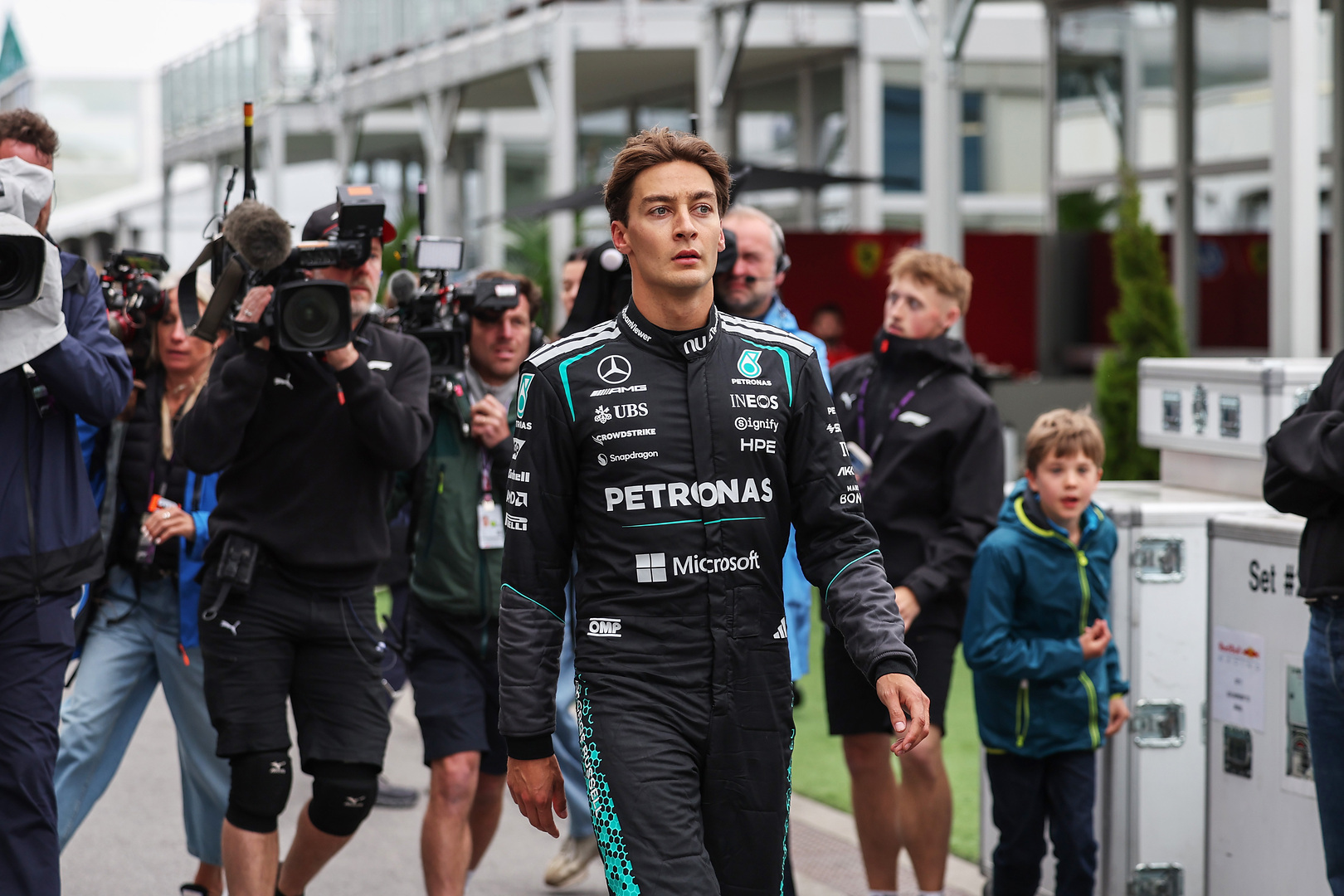
Photo · MotorBiscuit
The Tool That Knew Too Much
Somewhere in the hierarchy of Formula 1 failures — blown tires, fuel miscalculations, pit wall radio calls that haunt drivers for years — a malfunctioning power tool doesn't usually make the list. And yet here we are. A writer at MotorBiscuit has staked out a piece of ground worth standing on: George Russell's race wasn't taken by a rival, wasn't surrendered to a mechanical failure born of speed or stress. It was ended by a "smart" screwdriver that, in the moment it mattered most, wasn't smart enough.
That's the kind of detail that should stick in your throat.
When Complexity Becomes the Liability
Formula 1 has always been a negotiation between ambition and fragility. The cars are extraordinary precisely because they operate so close to their own limits — a tenth of a second here, a gram of downforce there, tolerances that exist in a register most engineering disciplines never touch. That's the romance of it. That's also the trap.
The more sophisticated a system becomes, the more it trusts itself. A "smart" tool is a tool that thinks. It makes decisions. And when it makes the wrong one — during a pit stop, under pressure, with a race on the line — there's no manual override that arrives in time. The intelligence built to prevent mistakes becomes the mechanism of one.
What the MotorBiscuit piece gets right, even if it doesn't dwell there long, is the sheer absurdity of the contrast. Mercedes is one of the most resourced operations in motorsport. The engineering poured into a single corner of one of their cars would fund entire seasons for smaller teams. And then a handheld tool — the kind of device that's supposed to be the reliable, repeatable part of the process — introduces a variable nobody accounted for.
That's not a fluke. That's a structural irony.
Pit stops in modern Formula 1 are already operating at a level that strains comprehension. The choreography is rehearsed to the point of instinct. Every crew member has a defined role, a defined window, a defined consequence for deviation. The margin for error isn't small — it's essentially theoretical. Which means when something fails inside that system, the failure doesn't just cost time. It costs the entire premise.
Russell lost his race not to a faster car, not to a better strategy call from across the garage, not even to bad luck in the traditional sense. He lost it to a tool that was trusted with a job it couldn't finish. There's something almost philosophical about that — the idea that peak sophistication carries its own specific vulnerability, one that simpler systems don't.
A ratchet doesn't glitch. It either turns or it doesn't.
The sport will absorb this, as it absorbs everything. The data will be reviewed. The tool will be examined. A protocol will probably change. Formula 1 is nothing if not iterative — every failure becomes a lesson that feeds back into the machine. But the lesson underneath the lesson is harder to process: when you engineer out every obvious weakness, the obscure ones move to the front of the line.
Perfection, it turns out, has a long tail.
Keep reading cars.

Rust at $450,000 a Panel
Icon 4x4 built a brand-new truck that looks like it's been sitting in a field since the Carter administration — and the price tag is the least surprising part of the story.
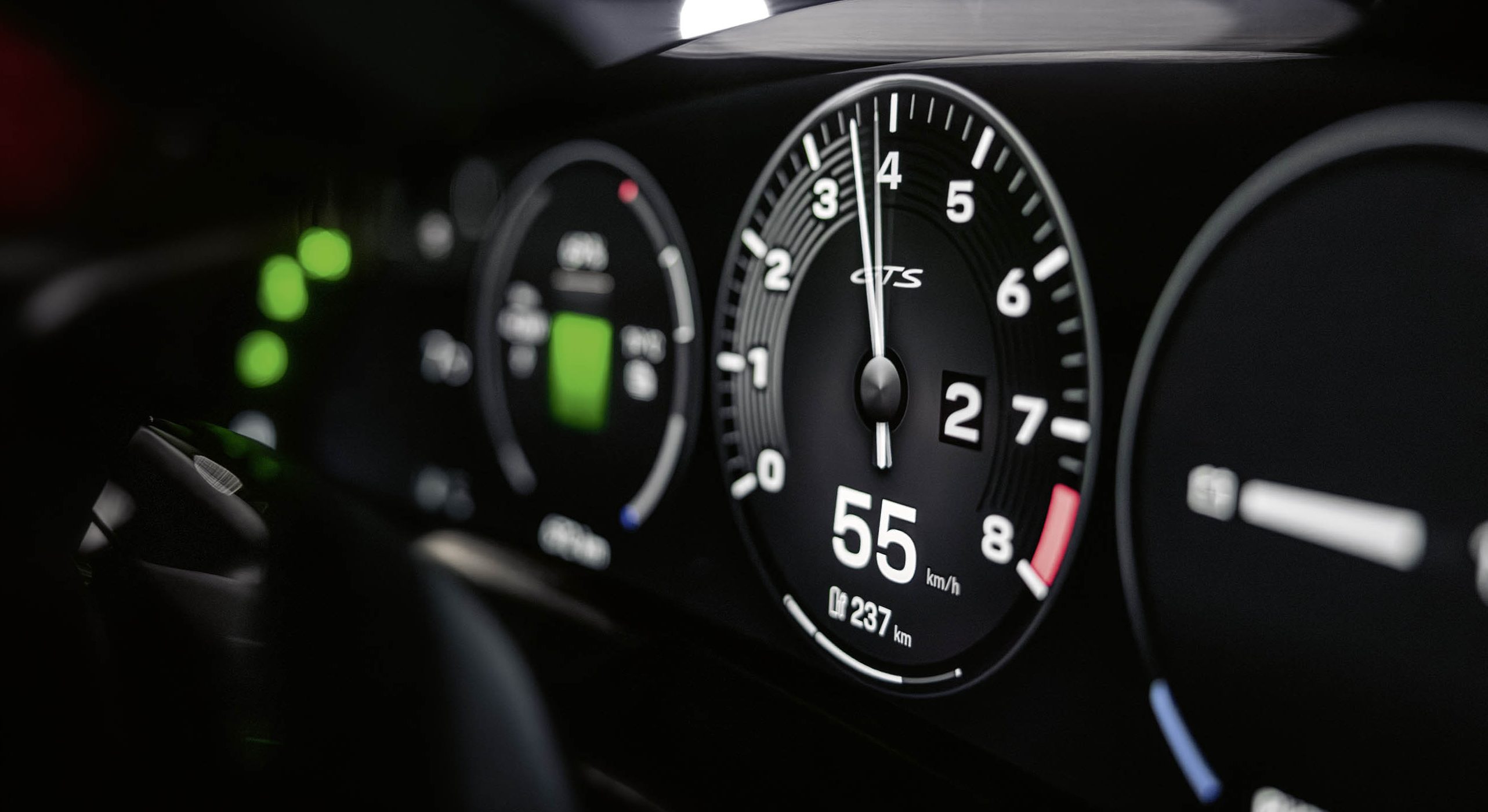
Porsche Borrowed Hyundai's Trick. Nobody Wants to Say That Out Loud.
Eight fake gears, one very real question about what driving conviction is actually worth.
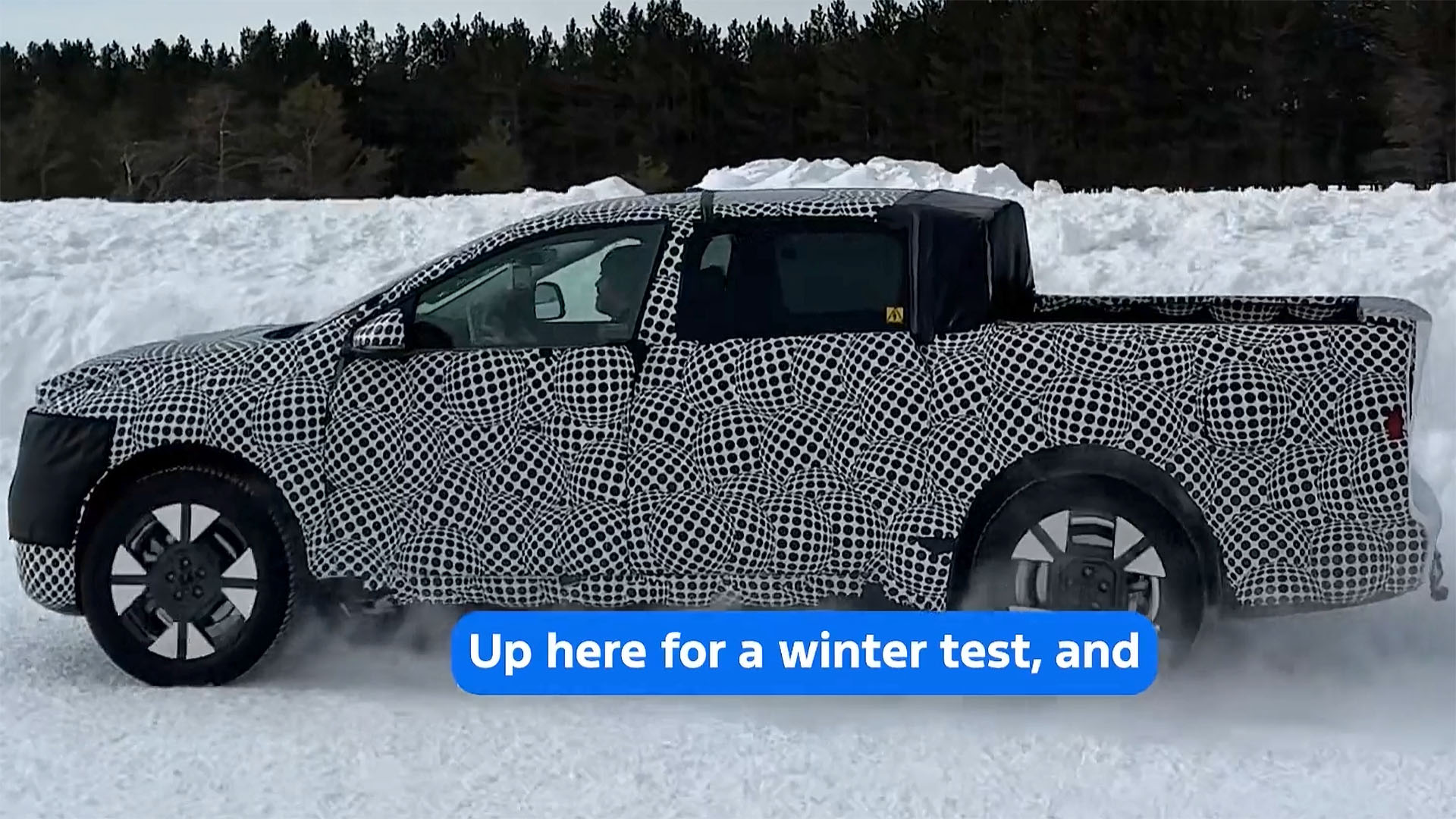
Ford Built a $30,000 Electric Truck and Filmed It in the Snow
Prototype footage and a teaser site are doing real work — but the harder question is whether thirty grand survives contact with a dealer lot.
From the other desks.
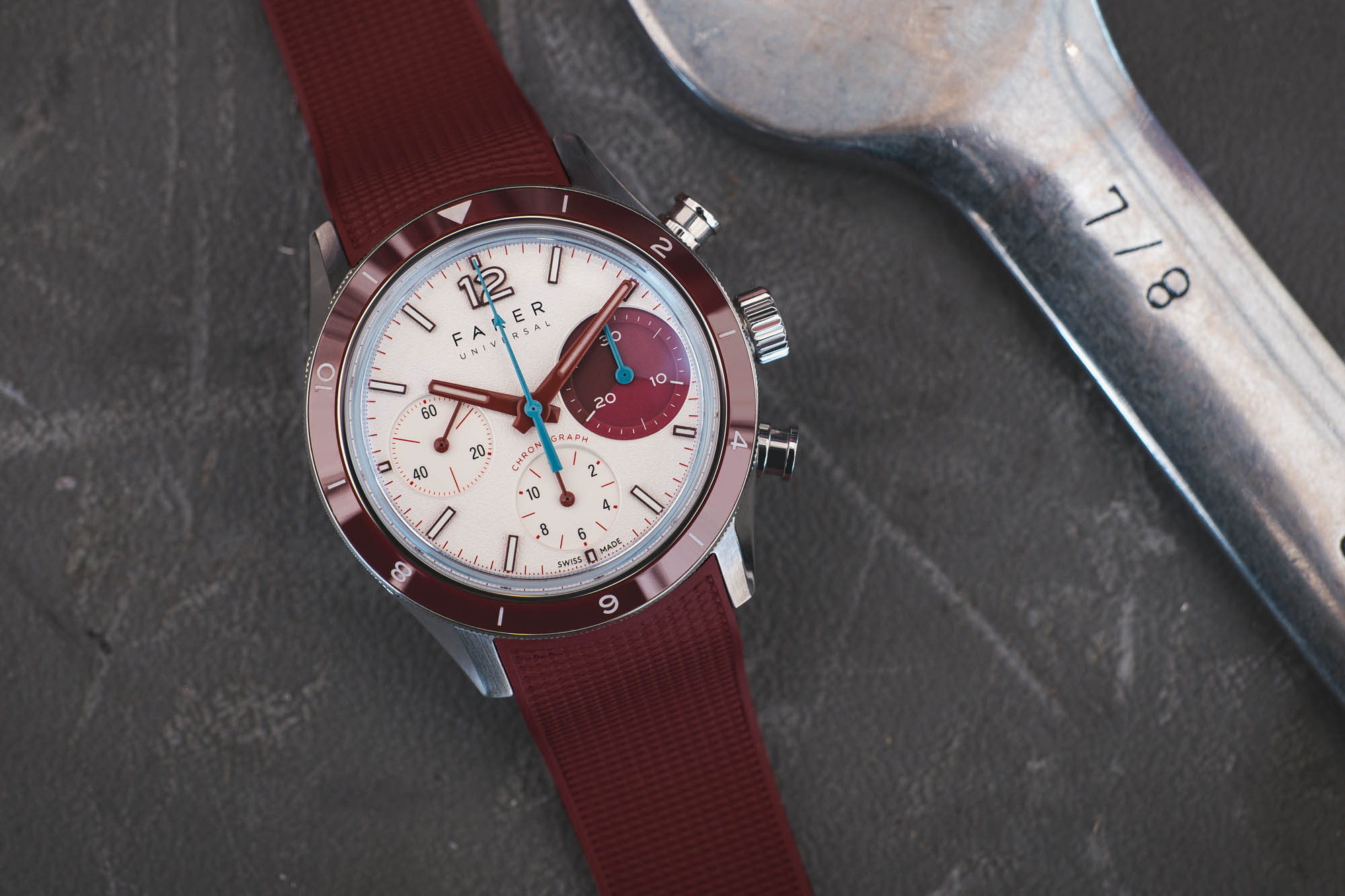
Farer Painted Three Watches in Racing Livery and Asked You to Feel Something
When vintage motorsport aesthetics become design language rather than archive recovery, the romance has to earn its keep.

Owen Wilson Showed Up. Nobody Looked.
When a 26-year-old golfer outdraws a movie star, the sport has a choice: notice what it has, or keep waiting for someone easier to sell.

Draw the Line, Then Move It
Washington weaponized AI export controls and discovered, almost immediately, that weapons need a consistent hand.