Ford Built a $30,000 Electric Truck and Filmed It in the Snow
Prototype footage and a teaser site are doing real work — but the harder question is whether thirty grand survives contact with a dealer lot.
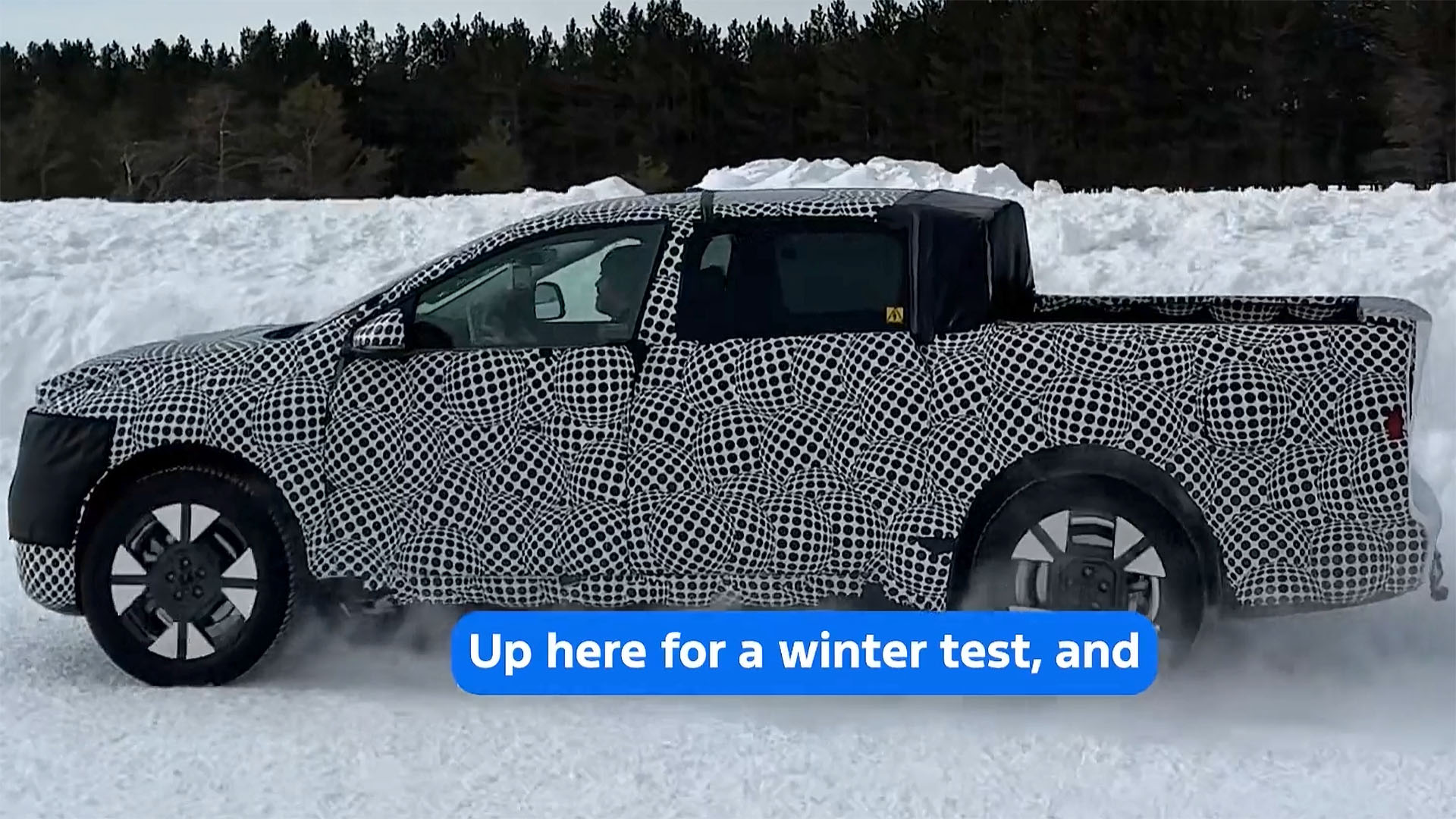
Photo · The Drive
There's something almost defiant about watching a prototype run in winter conditions. Not a render. Not a stage reveal with a CEO in a turtleneck. Footage. Cold ground, real tires, the kind of test that leaves tire tracks you can actually see.
Ford is calling this its Model T moment, according to The Drive — and that's either the most confident framing in the auto industry right now or the most dangerous. Possibly both. The $30,000 electric pickup is real, it's being tested, and it's slated to hit dealers next year. Carscoops has seen the teaser site. Winter testing clips are circulating. The truck exists in the physical world, and Ford wants you to know it.
That matters more than it sounds.
The Machine Before the Myth
For years, affordable electric vehicles in America operated mostly as promise. The vehicles that actually moved metal were expensive. The ones that weren't expensive were small. A full-size electric pickup at thirty thousand dollars — a number most working people can actually type into a loan calculator without laughing — was the category that kept getting announced and kept getting delayed.
Now there's prototype footage in the snow. That's not a launch, but it's not nothing.
What Ford seems to understand, at least in the framing of this rollout, is that optics matter at this stage. Showing winter testing clips isn't just engineering transparency — it's a signal to a skeptical buyer that the truck has been somewhere cold and kept moving. It's a handshake with the person who needs a truck to work in February, not just look good in September press photos.
The teaser site, the footage, the Model T framing — all of it is pointed at a specific doubt: is this real? And for once, the answer appears to be yes.
Where the Price Goes
Here's the thing about thirty thousand dollars for an electric pickup: it's a number that does enormous cultural work before anyone has driven the vehicle. It signals access. It says the EV transition doesn't require you to be in a certain tax bracket. It invites a different buyer into the conversation entirely.
But thirty thousand dollars is also a number that has to survive a supply chain, a margin calculation, a dealer markup, and whatever the market looks like twelve months from now. Ford has said next year. Ford has shown footage. Ford has not yet put a window sticker on a truck that someone can actually buy.
The history of affordable EVs — not just from Ford, but across the industry — is full of prices that made headlines and then quietly climbed before anyone signed paperwork. That's not cynicism, it's pattern recognition. The announced price and the transaction price are two different numbers, and the distance between them is where trust gets lost.
Which is why the winter footage is doing real work right now. It's not proof of a price. But it's proof of a truck. And in a segment this contested, at a number this symbolic, proof of a truck is a start.
Thirty thousand dollars in the snow. Everything else is still being decided.
Keep reading cars.
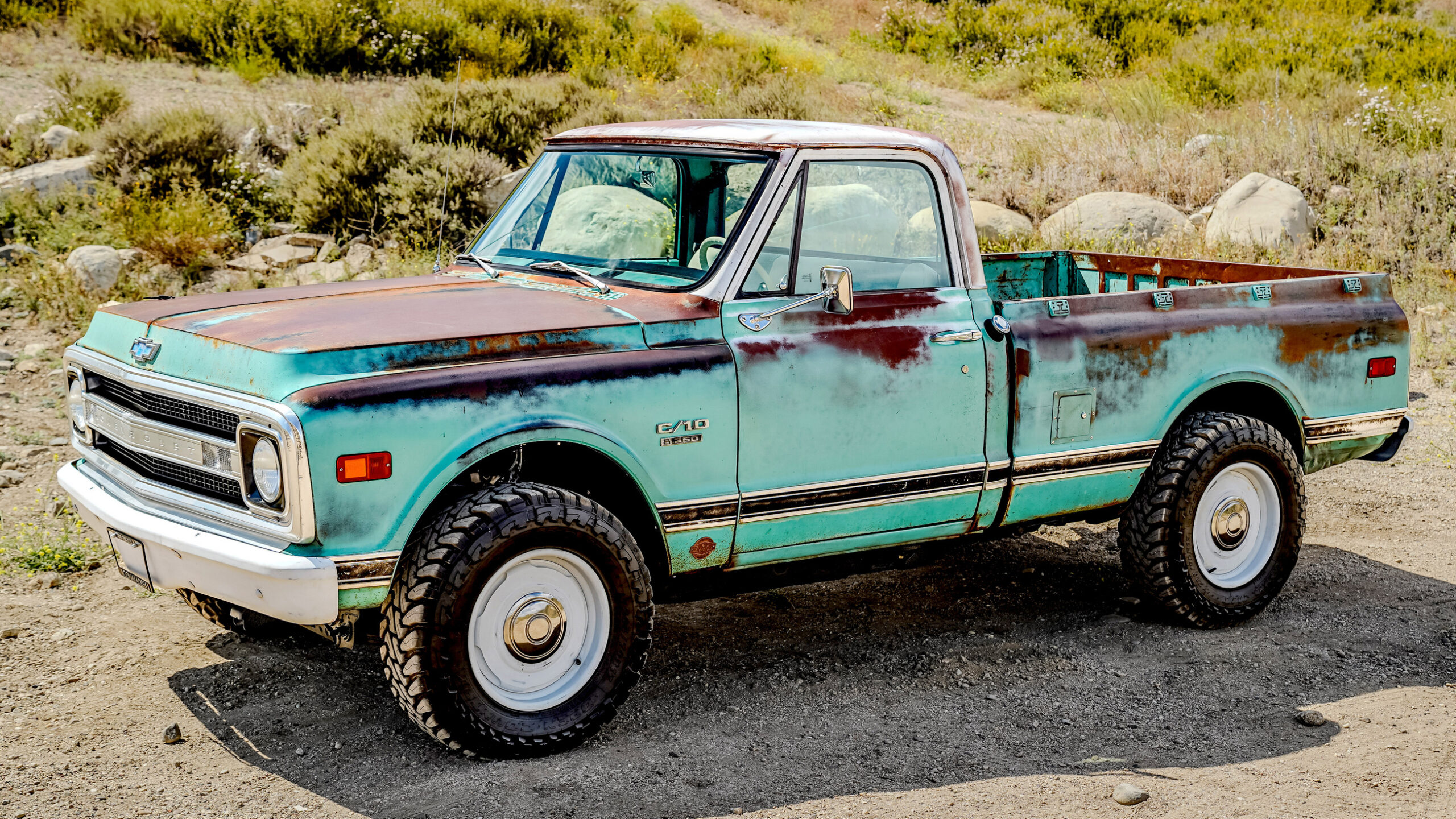
Rust at $450,000 a Panel
Icon 4x4 built a brand-new truck that looks like it's been sitting in a field since the Carter administration — and the price tag is the least surprising part of the story.
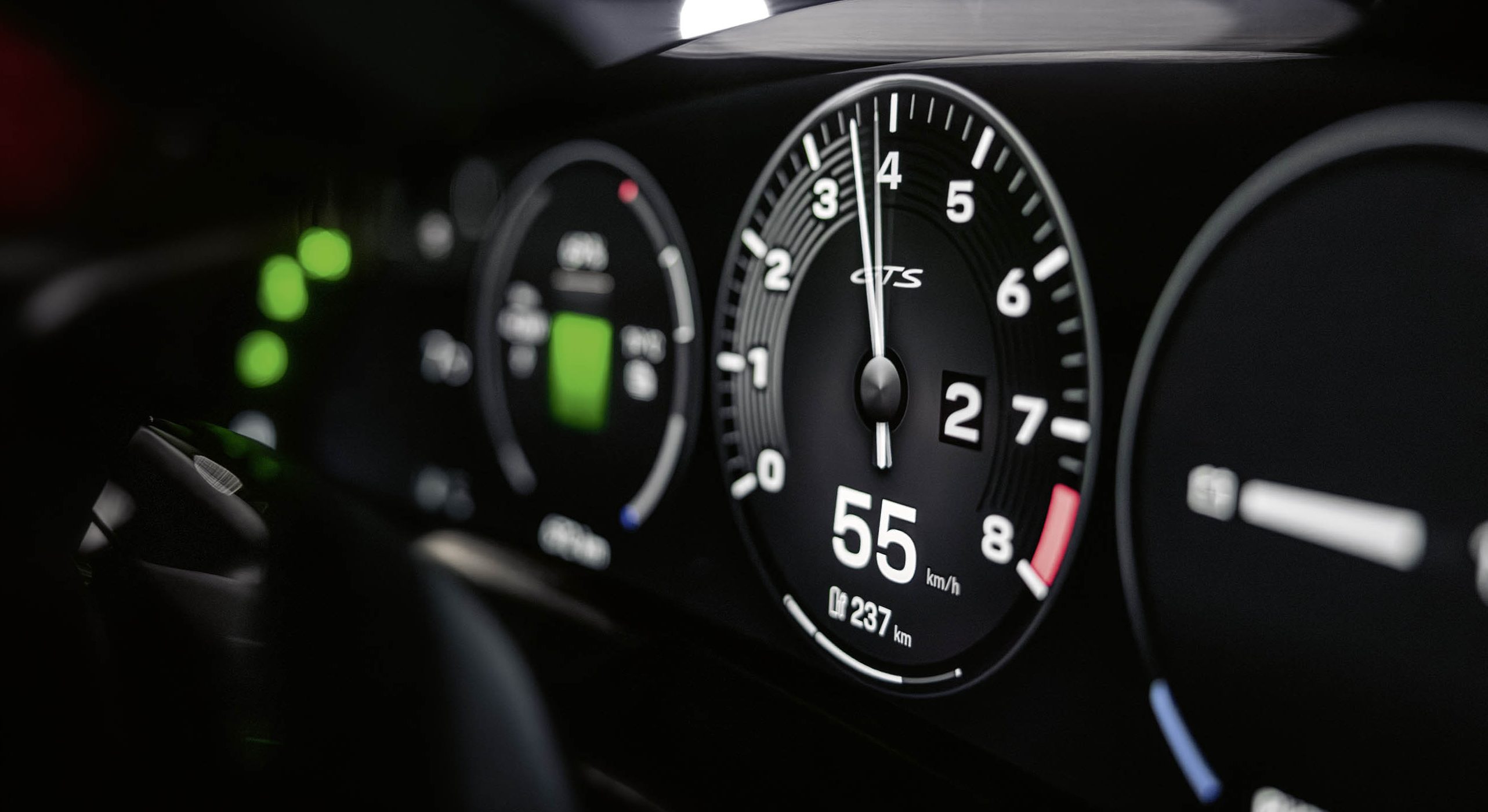
Porsche Borrowed Hyundai's Trick. Nobody Wants to Say That Out Loud.
Eight fake gears, one very real question about what driving conviction is actually worth.

Mercedes Spent Millions on Aerodynamics. A Screwdriver Stopped the Car.
When a smart tool malfunctions at the worst possible moment, the question isn't what broke — it's what that says about how far the engineering has gone.
From the other desks.
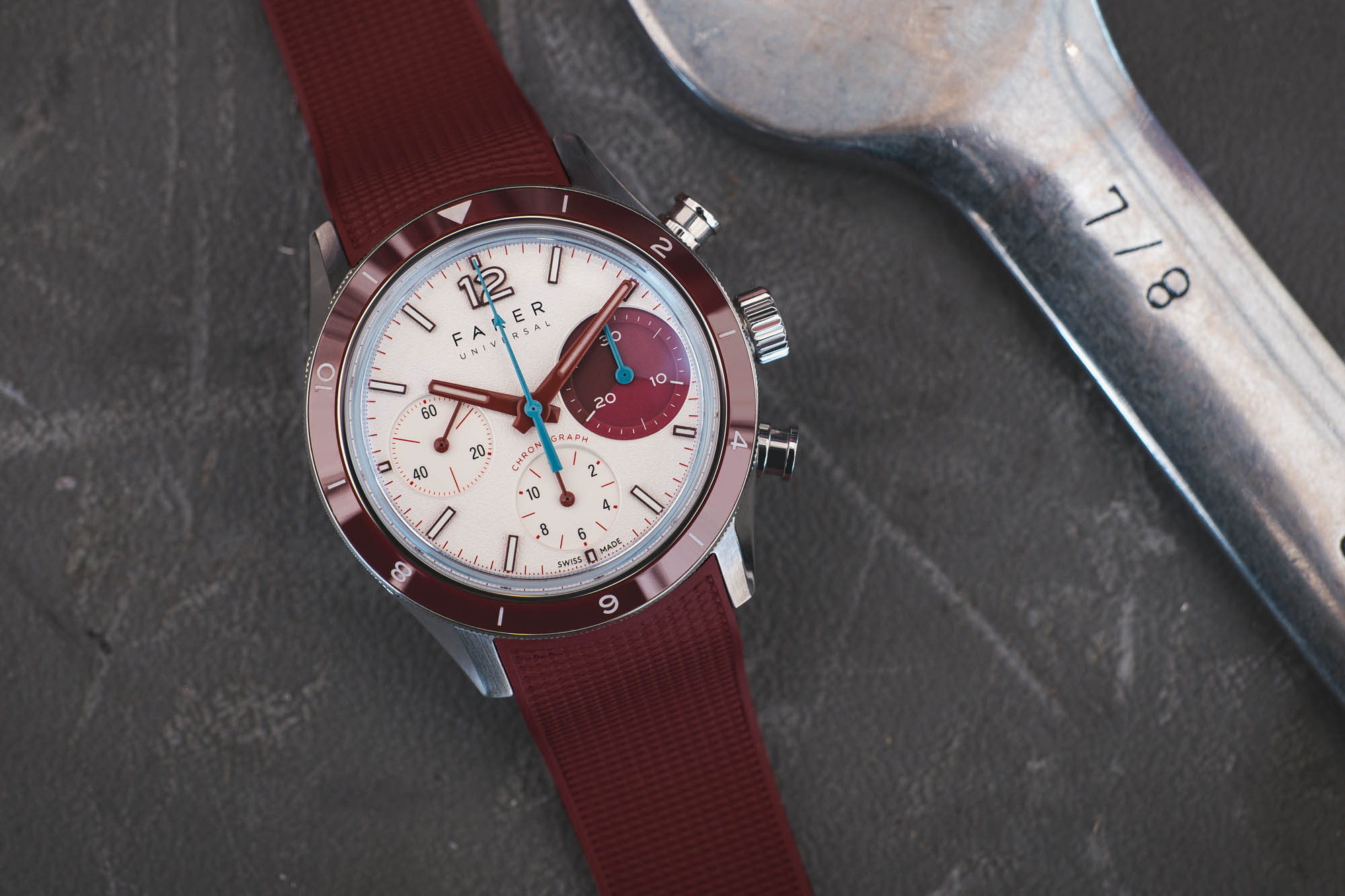
Farer Painted Three Watches in Racing Livery and Asked You to Feel Something
When vintage motorsport aesthetics become design language rather than archive recovery, the romance has to earn its keep.

Owen Wilson Showed Up. Nobody Looked.
When a 26-year-old golfer outdraws a movie star, the sport has a choice: notice what it has, or keep waiting for someone easier to sell.

Draw the Line, Then Move It
Washington weaponized AI export controls and discovered, almost immediately, that weapons need a consistent hand.