Musk Has Said This Before. Exactly This.
FSD v15 is going to far exceed human safety. Just like v12 did. Just like v14 did.

Photo · Electrek
The promise is the product now.
A writer at Electrek has done something simple and devastating: lined up what Elon Musk said about FSD v12, what he said about v14, and what he's now saying about v15. The quotes are functionally identical. The version number is the only variable. What makes this worth more than a sigh is that someone finally wrote it down in one place, with receipts, and the pattern is impossible to dismiss once you see it laid out.
"Far exceed human levels of safety." That phrase has a version number attached to it now. It'll have another one soon.
The Expiration Date Built Into Every Headline
This is how the cycle works. A user posts a detailed account of real-world FSD performance — in this case, 600-plus miles of testing. The results are mixed. Musk responds not by engaging with the specifics but by pointing past them, toward the next major release. The current version becomes a stepping stone. The next version becomes the real version. The real version is always coming.
It's a rhetorical structure that makes criticism structurally impossible. Every limitation you identify is a known limitation that the next release will address. Every concern you raise is already being solved. The conversation is always about the future, never about what's in your car right now.
The problem is that the future keeps becoming the present, and the present keeps being roughly what the past was.
What This Reveals About the Moment
The Electrek piece matters not because it's exposing a lie — that's too simple — but because it's exposing a pattern that the tech press has been reluctant to name directly. There's always been a generous read available: the technology is genuinely hard, the timelines are genuinely uncertain, optimism is genuinely necessary to push development forward. That read made sense for a while.
It makes less sense when the language is this identical across multiple years and multiple versions. At some point, "far exceed human safety" stops being a prediction and starts being a launch phrase. A ritual. The thing you say when a new version is coming.
The autonomous vehicle space has always run on forward-looking statements. That's partly structural — you can't sell the present state of the technology on its present merits, so you sell the trajectory. But most players in that space have learned, painfully, to hedge. Waymo doesn't promise to far exceed human safety. It publishes safety data and lets the numbers do the work.
Tesla's approach is the opposite. The promise comes first, loud and unqualified. The data, when it arrives, is harder to find and harder to interpret. And when the gap between promise and delivery becomes visible, there's always a new version number to point toward.
I'm not arguing FSD is dangerous or that the technology isn't improving. I'm arguing that the way it's being sold has become a story unto itself — and that story is now old enough to have a pattern.
A version number is not a safety record. And v16 is already being written.
Keep reading cars.

800 Horsepower, One Ton of Doubt
Lamborghini built the most powerful SUV it's ever made. It's also slower than what it replaced.

£11,990 Draws a Line Under Every Excuse You Had Left
Dacia just made the cheapest new car in Britain electric — and that's not a footnote, it's a verdict.
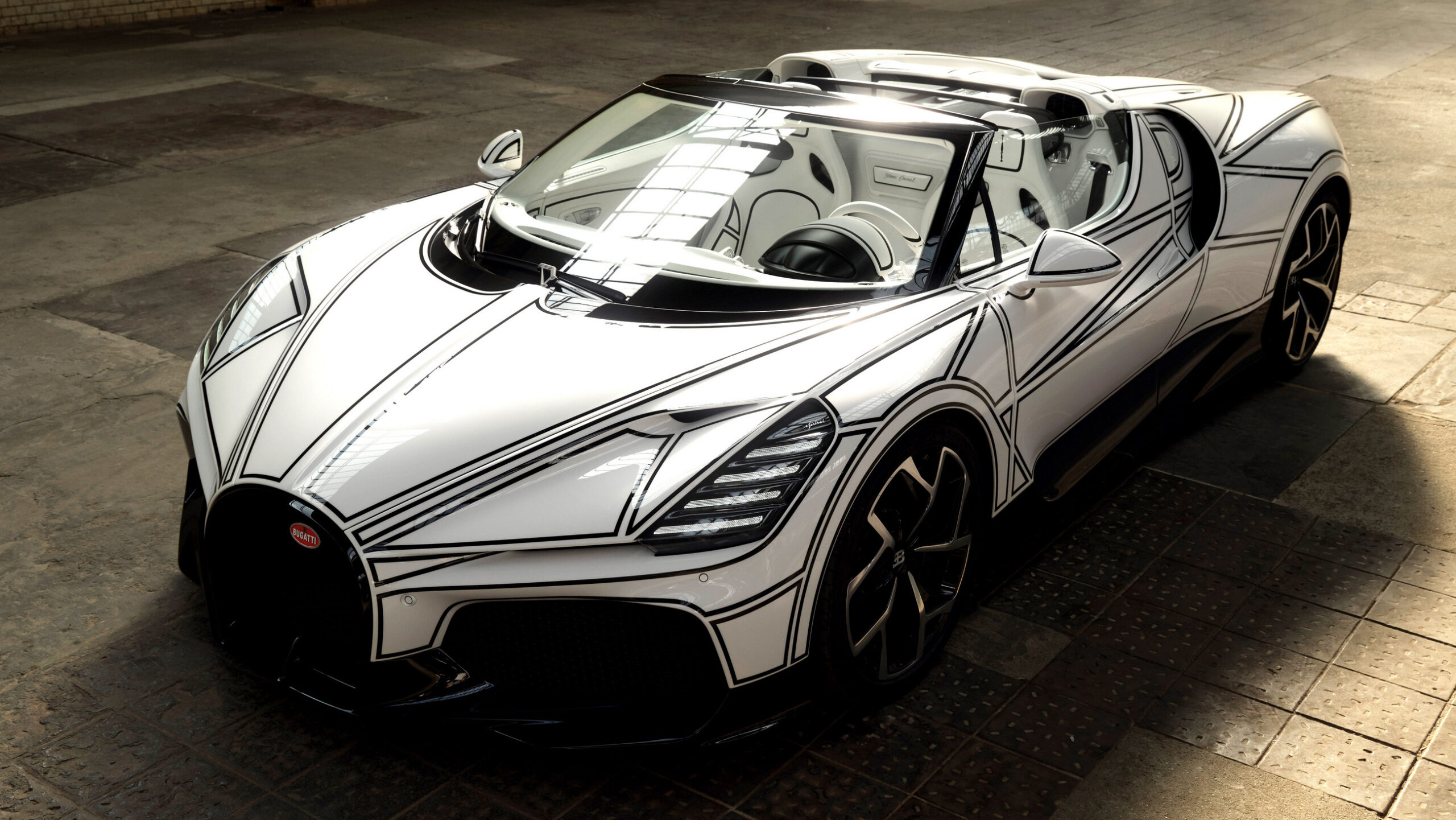
Blanc Éternel Hides Its Speed Behind a Gas Cap
Bugatti built a 261-mph roadster and made sure you'd notice the porcelain first.
From the other desks.

Gold Leaf on a Lacquer Dial, and the Weight of What That Costs
Awake's Frosted Leaf Royal Blue asks a question Vietnamese craft has never quite had to answer at this price.

ESPN Named Him. Then Unnamed Him. Nobody's Explaining the Gap.
A retraction without a reckoning is just a deleted link.

Hide My Email Has Been Showing Your Email
Apple's privacy flagship has a hole in it. They've known for over a year.