Nissan Blinked First, But It Won't Be the Last
The pivot to trucks at Nissan's Mississippi plant isn't a strategy shift — it's a confession the whole industry is waiting to echo.

Photo · Motor1.com - Articles
There's a particular kind of honesty that only arrives under financial pressure. Nissan just delivered some.
The automaker is killing its EV plans in America and pivoting to trucks and body-on-frame vehicles — including a new Xterra and a redesigned Frontier — built at its Mississippi factory. Read that plainly: a manufacturer that spent years positioning electrification as its next chapter just looked at the American market, looked at its balance sheet, and chose steel rails and a transfer case instead.
That's not a course correction. That's an admission.
What the Market Has Been Saying
The EV transition was always sold with a kind of inevitability — a rolling tide that would eventually reach every driveway in America whether the driveway wanted it or not. Manufacturers invested accordingly. Governments subsidized accordingly. Analysts predicted accordingly. And then actual buyers did what actual buyers do, which is make decisions based on what they need, what they can afford, and what they trust.
Body-on-frame trucks and SUVs are what a significant portion of the American market needs, can afford to maintain, and has trusted for decades. The Frontier has a buyer. The Xterra — a nameplate being resurrected, not invented — has a buyer. The hypothetical American EV crossover that was going to anchor Nissan's electric future apparently did not have enough of them.
That's not a failure of vision. It's a failure of assumption. The assumption was that preference was temporary, that range anxiety and charging infrastructure were solvable problems that would dissolve on a predictable timeline, and that the market would arrive at the correct conclusion if you just kept building toward it. Nissan — and Nissan is far from alone here — built toward it. The market did not arrive on schedule.
Mississippi Gets a Different Assignment
There's something grounding about the specificity of the Mississippi plant detail. This isn't abstract strategy talk from a Tokyo boardroom. There are workers in that facility, there is tooling, there are supply chains — and now there is a new production mandate. Trucks. Frame-based. The kind of vehicles that have defined American automotive preference for the better part of two generations.
A writer at Motor1 framed this as a pivot, which is the diplomatic word. Pivot implies you were going somewhere intentional and chose a new direction. What's harder to say out loud — and what this move quietly communicates — is that the original direction wasn't working. The EV plans didn't die because Nissan got excited about the Xterra. They died because the math stopped adding up.
The interesting question isn't whether Nissan made the right call. It probably did. The interesting question is who makes the same call next, and how loudly, and whether the industry finds language for it that doesn't sound like retreat.
Because this is going to keep happening. The manufacturers who staked their American identities on electric futures are going to keep running into the same wall — not because EVs are a bad product, but because the American market's appetite for them, in volume, at accessible price points, on the necessary timeline, has not materialized the way the projections required. Some will adjust quietly. Some will need a Mississippi moment to do it publicly.
Nissan just showed everyone how the press release reads when you finally stop pretending.
Keep reading cars.

800 Horsepower, One Ton of Doubt
Lamborghini built the most powerful SUV it's ever made. It's also slower than what it replaced.

£11,990 Draws a Line Under Every Excuse You Had Left
Dacia just made the cheapest new car in Britain electric — and that's not a footnote, it's a verdict.
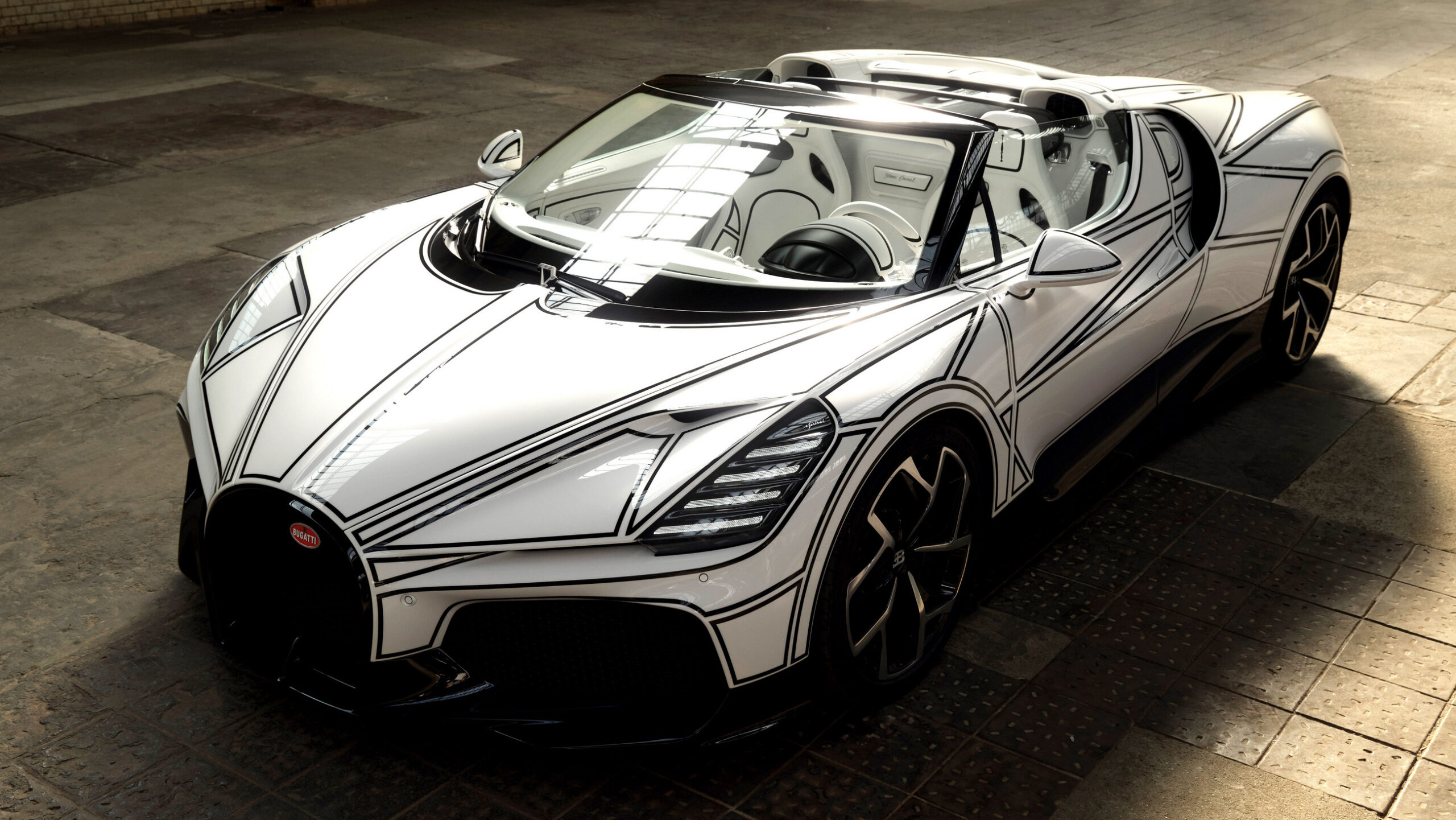
Blanc Éternel Hides Its Speed Behind a Gas Cap
Bugatti built a 261-mph roadster and made sure you'd notice the porcelain first.
From the other desks.

Gold Leaf on a Lacquer Dial, and the Weight of What That Costs
Awake's Frosted Leaf Royal Blue asks a question Vietnamese craft has never quite had to answer at this price.

ESPN Named Him. Then Unnamed Him. Nobody's Explaining the Gap.
A retraction without a reckoning is just a deleted link.

Hide My Email Has Been Showing Your Email
Apple's privacy flagship has a hole in it. They've known for over a year.