One Crash, One Module, Every Secret the Car Ever Kept
A wrecked car gave up its entire history from a single chip — and nobody warned you that was possible.
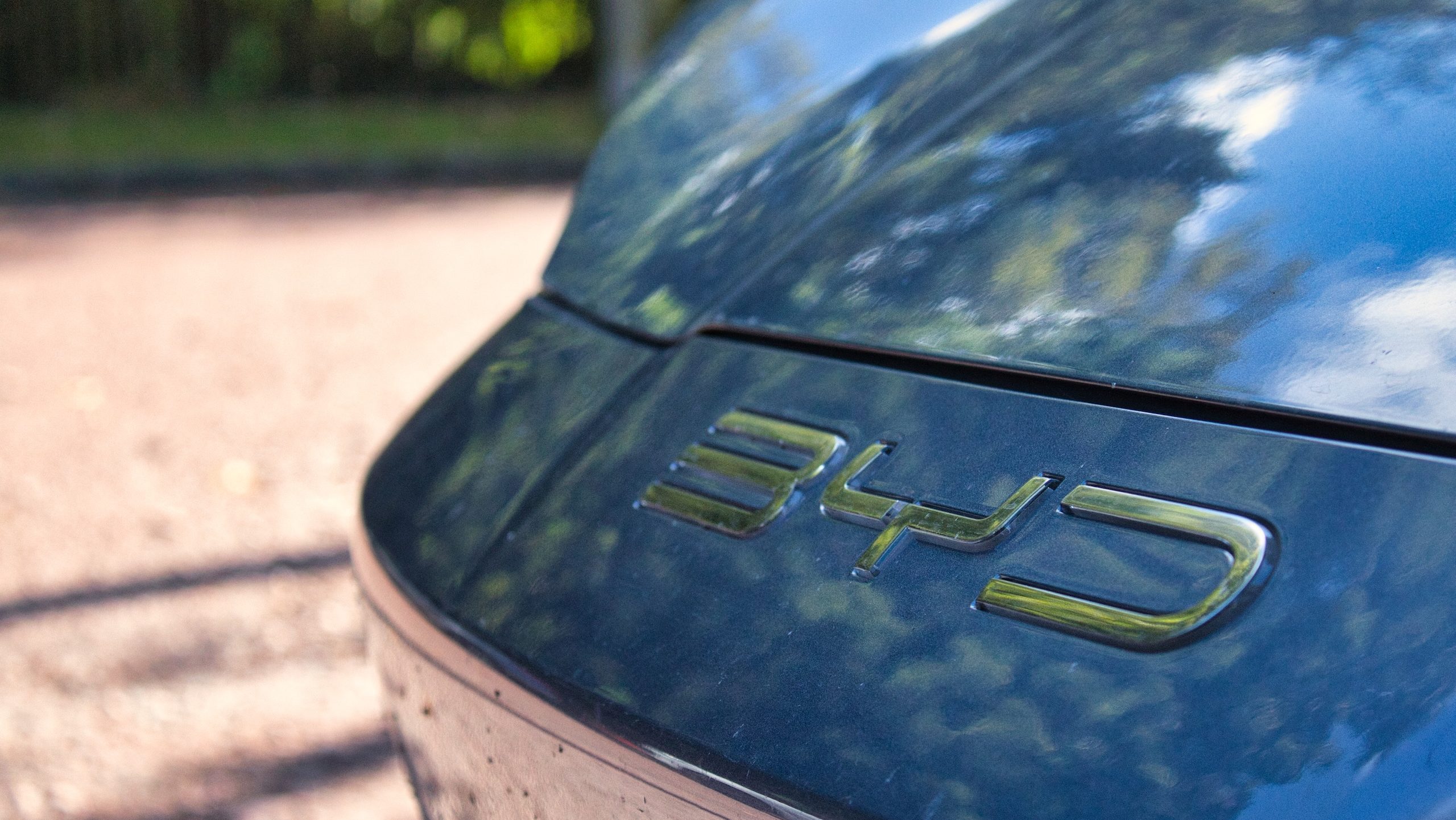
Photo · The Drive
There's a version of this story where it's about forensics, about clever researchers pulling data from wreckage to understand what happened in the final seconds before impact. That's the version The Drive ran. Hackers, they report, reconstructed a wrecked car's complete movement history using nothing more than a single onboard computer module.
Read it once and it sounds impressive. Read it again and something colder settles in.
The Reconstruction Was the Easy Part
What the piece reveals — without quite saying it plainly — is that the hard part wasn't extracting the data. The hard part would have been not extracting it. The record was just there. Complete. Patient. Waiting in a module pulled from a destroyed vehicle, carrying every movement the car had ever made.
This is the part worth sitting with. Not the hack. Not the technique. The fact that your car has been taking notes on you since the day you drove it off the lot, and the only thing standing between that record and anyone curious enough to look is physical access to the hardware.
We've had a decade-long public argument about phones and data and surveillance and consent. Legislation, hearings, think pieces, the whole apparatus. Meanwhile, the thing sitting in your driveway — the object that knows your commute, your detours, your 2 a.m. drives, the parking lot you circled twice before leaving — has been largely exempt from that conversation. It doesn't ask for your location. It just notes it.
Who Actually Owns What the Car Knows
The Drive's piece doesn't get deep into the ownership question, and that's precisely what makes it worth responding to. Because the reconstruction story is only interesting if you ask the follow-up: whose data was that?
The registered owner never consented to a comprehensive movement log. They consented to buying a car. The module doesn't distinguish between a crash investigator with legitimate purpose and anyone else with the tools and physical access to read it. A totaled vehicle at a salvage yard isn't exactly a secured facility. The data doesn't expire when the car does.
Insurers have been quietly interested in telematics for years. Law enforcement has used vehicle data in prosecutions. Divorce attorneys have gotten creative. None of this required a network breach or a sophisticated attack — just someone with the right reader and a module that kept its mouth shut until it didn't.
We built the surveillance in first. We're only now, slowly, starting to ask whether that was the deal we agreed to.
The researchers who pulled this off — and the writer at The Drive who covered it — are doing something useful by making the capability visible. Visibility is the first step toward accountability. But there's a risk that framing it as a hacker story, a forensics story, a cool technology story, lets the larger question slide. The interesting thing isn't that someone reconstructed a car's movements from a single module.
The interesting thing is that there was anything to reconstruct at all.
Keep reading cars.

800 Horsepower, One Ton of Doubt
Lamborghini built the most powerful SUV it's ever made. It's also slower than what it replaced.

£11,990 Draws a Line Under Every Excuse You Had Left
Dacia just made the cheapest new car in Britain electric — and that's not a footnote, it's a verdict.

Blanc Éternel Hides Its Speed Behind a Gas Cap
Bugatti built a 261-mph roadster and made sure you'd notice the porcelain first.
From the other desks.

Gold Leaf on a Lacquer Dial, and the Weight of What That Costs
Awake's Frosted Leaf Royal Blue asks a question Vietnamese craft has never quite had to answer at this price.

ESPN Named Him. Then Unnamed Him. Nobody's Explaining the Gap.
A retraction without a reckoning is just a deleted link.

Hide My Email Has Been Showing Your Email
Apple's privacy flagship has a hole in it. They've known for over a year.