Pedigree Is Losing the Argument
Exotic car prices are spiking in 2026, and the collector market is quietly rewriting what it values.
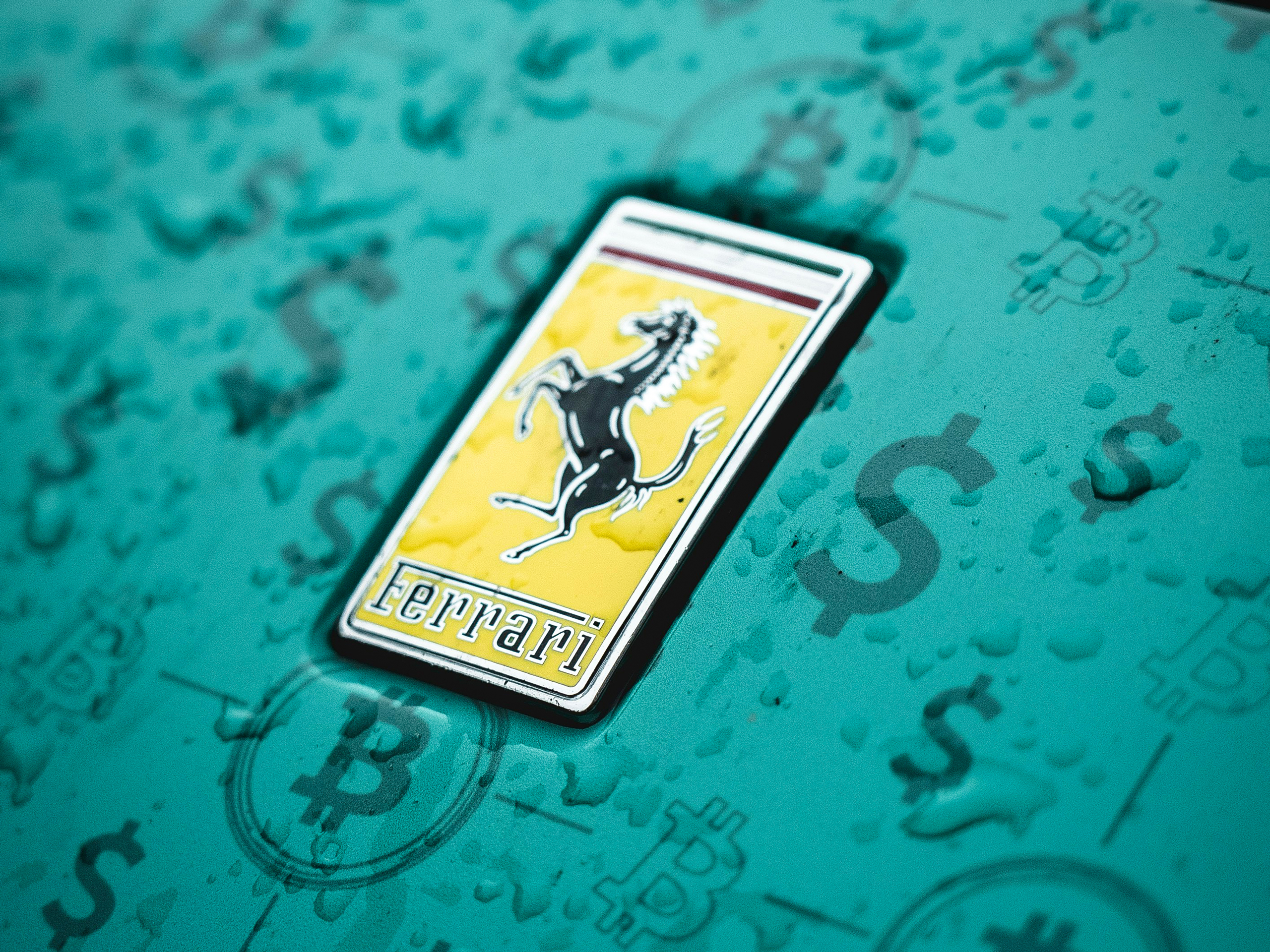
Photo · Hagerty Media
Someone who has spent thirteen years editing the U.K. Hagerty Price Guide just flagged something worth paying attention to: certain exotic European cars are rising in value — fast. Not gradually. Not in the way a well-tended market appreciates over time. Quickly. The kind of quickly that makes a seasoned price-guide editor stop and say something rather unusual happened.
Auction records have fallen in 2026. That part, the editor notes, isn't unusual on its own. Auctions are theatrical. They reward obstinacy as much as they reward taste. But the pattern underneath the hammer prices — that's where it gets interesting.
The Market Is Voting
For a long time, the collector car world operated on a fairly legible hierarchy. Heritage mattered. Brand history mattered. A name with decades of motorsport behind it, or a lineage tied to some golden era of coachbuilt excess, carried weight almost automatically. You didn't need to justify why a particular marque was desirable. The story did the work.
What the Hagerty editor is observing suggests that logic is fracturing. The cars moving fastest aren't necessarily the ones with the deepest résumés. The market is fragmenting — not collapsing, fragmenting — along lines that have less to do with where a car came from and more to do with how few of them exist. Rarity is winning arguments that pedigree used to win by default.
This is a meaningful shift. It means buyers aren't being told what to want by the traditional gatekeepers — the auction houses, the heritage brands, the consensus taste that calcified over decades of magazine coverage. They're arriving with their own convictions. And those convictions are landing on things that are scarce, unusual, or simply hard to find rather than things that are historically significant in the approved way.
What Gets Left Behind
If rarity is the new organizing principle, then the cars that lose are the ones that are merely famous. The ones that exist in large enough numbers that ownership feels accessible, that show up reliably at concours, that have been correctly valued for so long that there's no surprise left in them. Those cars don't disappear from the market. They just stop accelerating.
The cars that win are stranger. Smaller production runs. Odder specifications. Things that require a buyer who already knows what they are — because there's no longer a crowd to explain it to them.
I find this genuinely interesting, not because it reshapes what's worth buying today, but because of what it says about collector psychology in this particular moment. The people with real money to spend on exotic machinery seem increasingly uninterested in the validated choice. They want the thing that someone else hasn't already decided is correct. That's a cultural signal as much as a financial one.
A thirteen-year veteran of pricing this market noticed it. That's not a trend piece. That's a practitioner's log, and those are usually right before the magazines catch up.
The question now isn't which cars are rising. It's whether the brands built on the old hierarchy are paying attention — or still waiting for the market to come back to its senses.
Keep reading cars.

800 Horsepower, One Ton of Doubt
Lamborghini built the most powerful SUV it's ever made. It's also slower than what it replaced.

£11,990 Draws a Line Under Every Excuse You Had Left
Dacia just made the cheapest new car in Britain electric — and that's not a footnote, it's a verdict.
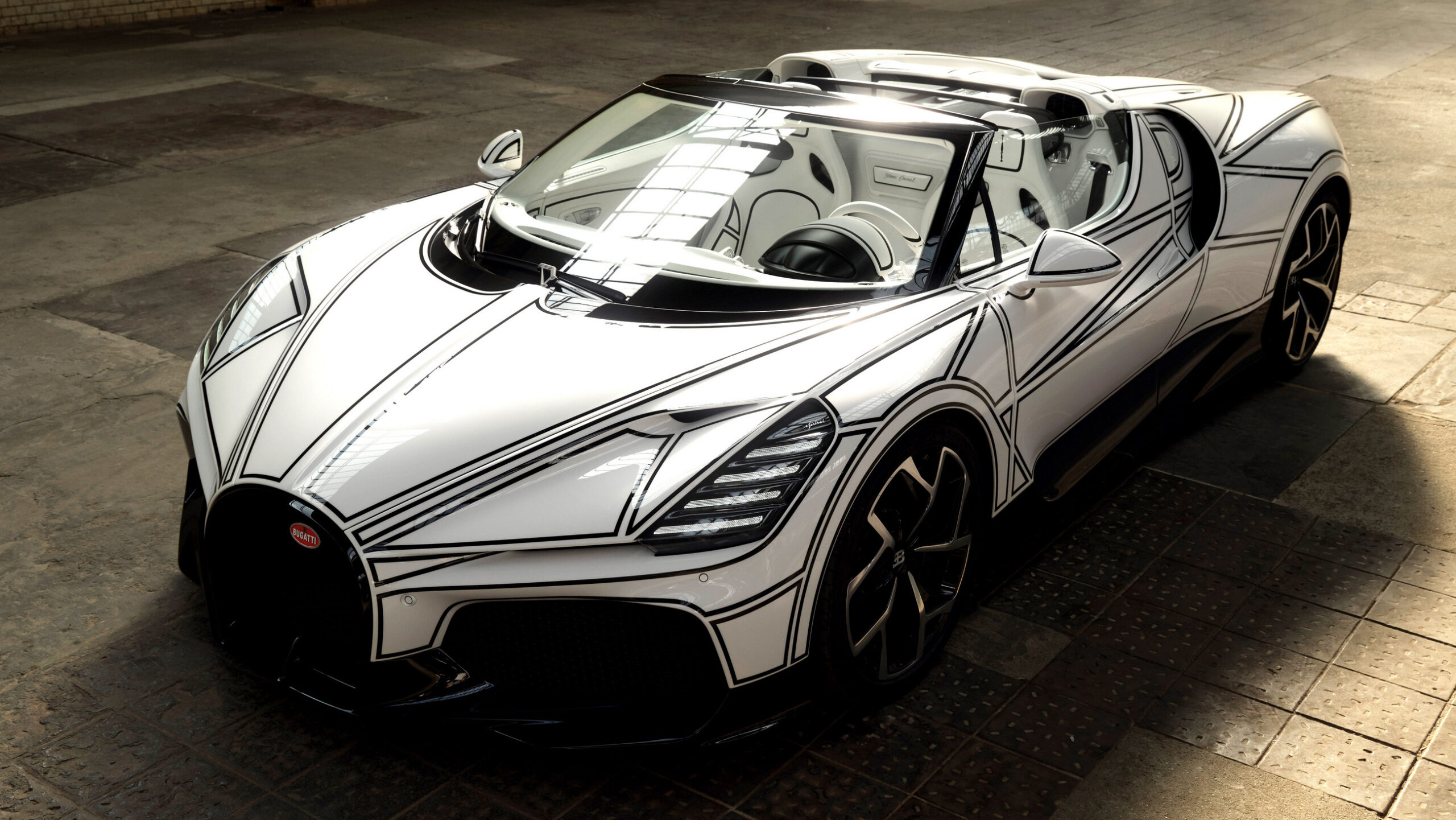
Blanc Éternel Hides Its Speed Behind a Gas Cap
Bugatti built a 261-mph roadster and made sure you'd notice the porcelain first.
From the other desks.

Gold Leaf on a Lacquer Dial, and the Weight of What That Costs
Awake's Frosted Leaf Royal Blue asks a question Vietnamese craft has never quite had to answer at this price.

ESPN Named Him. Then Unnamed Him. Nobody's Explaining the Gap.
A retraction without a reckoning is just a deleted link.

Hide My Email Has Been Showing Your Email
Apple's privacy flagship has a hole in it. They've known for over a year.