Sell the Roar, Discontinue the Animal
The IIHS says advertising is feeding a speed obsession. What it didn't mention: the cars that justified the ads are almost gone.

Photo · The Drive
A writer at The Drive surfaced something this week that deserves more air than it got. The Insurance Institute for Highway Safety has pointed a finger at advertising — specifically at the automotive industry's relentless push of speed and performance imagery — as a driver of America's cultural obsession with going fast. The IIHS has a point. It's just not the one that stings most.
The part worth sitting with isn't the accusation. It's the timing.
The Fantasy Outlived the Cars
Enthusiast cars are disappearing. Not slowly, not quietly — at a pace that would have seemed absurd ten years ago. The vehicles that actually delivered what the ads promised, the ones where the performance wasn't metaphor but physics, are being discontinued, consolidated, or replaced by something heavier and electrified and fine but not the same thing. And yet the advertising hasn't changed register at all. The imagery still roars. The copy still implies a relationship between you and the road that fewer and fewer products in the lineup can actually honor.
This is the tension The Drive piece gestures toward: enthusiast cars vanishing while the marketing machine keeps selling the dream of them. What you get is an industry running a bait-and-switch it didn't fully intend — the messaging calcified around an identity the product portfolio is quietly abandoning.
The IIHS framing is useful but incomplete. Yes, advertising shapes desire. Yes, aspirational speed content has consequences on public roads. These aren't wrong observations. But blaming the ads without acknowledging that the ads are now largely fiction is like criticizing a movie trailer for overselling a film that was never made.
What This Actually Reveals
There's a specific kind of cynicism in selling a performance identity when you're in the middle of retiring the performance. It's not malicious — it's inertia, brand equity preservation, the lag between what a company used to be and what it's becoming. Marketing departments run on longer cycles than product decisions. The cars get cut; the tone stays.
But the IIHS stepping in here reveals something else: who gets blamed when culture and commerce collide. Not the policy environment. Not the infrastructure. Not the decades of road design that made highways feel like they were built for speeds nobody's legally allowed to hit. The ad. The sixty-second spot with a car going sideways on a closed course with the fine print rolling at the bottom.
There's something almost nostalgic about that argument — the idea that advertising is powerful enough to make millions of people dangerous. It probably isn't that simple. People who want to drive fast were going to find their way there. But people who were sold a version of driving that no longer exists in the showroom? That's a different kind of damage. Quieter. More corrosive.
The car that made the ad credible is gone. The ad is still running.
That gap — between what's being sold and what's being built — is the real speed problem nobody's measuring.
Keep reading cars.

800 Horsepower, One Ton of Doubt
Lamborghini built the most powerful SUV it's ever made. It's also slower than what it replaced.

£11,990 Draws a Line Under Every Excuse You Had Left
Dacia just made the cheapest new car in Britain electric — and that's not a footnote, it's a verdict.
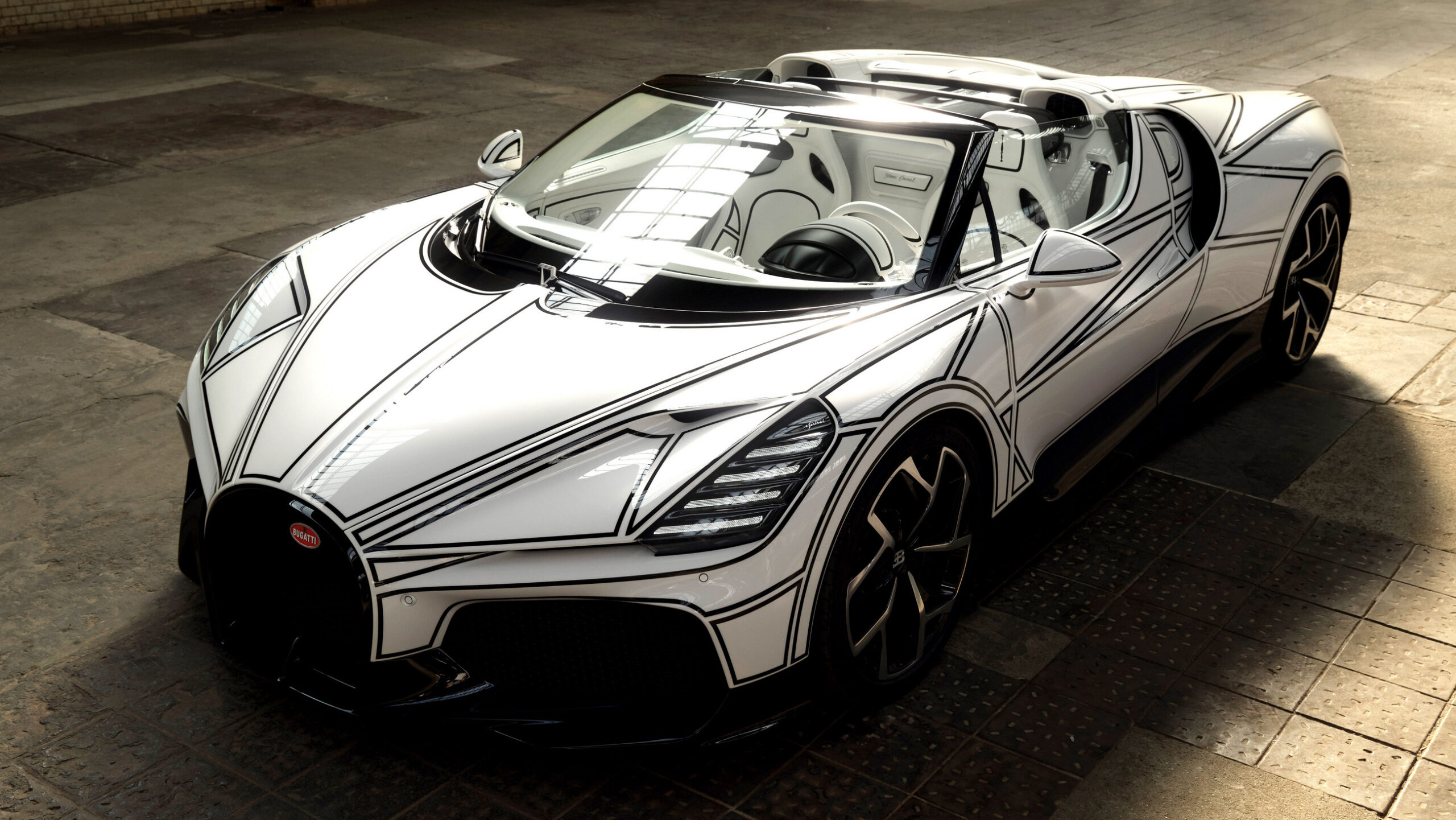
Blanc Éternel Hides Its Speed Behind a Gas Cap
Bugatti built a 261-mph roadster and made sure you'd notice the porcelain first.
From the other desks.

Gold Leaf on a Lacquer Dial, and the Weight of What That Costs
Awake's Frosted Leaf Royal Blue asks a question Vietnamese craft has never quite had to answer at this price.

ESPN Named Him. Then Unnamed Him. Nobody's Explaining the Gap.
A retraction without a reckoning is just a deleted link.

Hide My Email Has Been Showing Your Email
Apple's privacy flagship has a hole in it. They've known for over a year.