Porsche Wants to Tell You You're Dying — In Racing Stripes
Stuttgart just patented a battery indicator that would make any gauge cluster designer feel quietly ashamed.
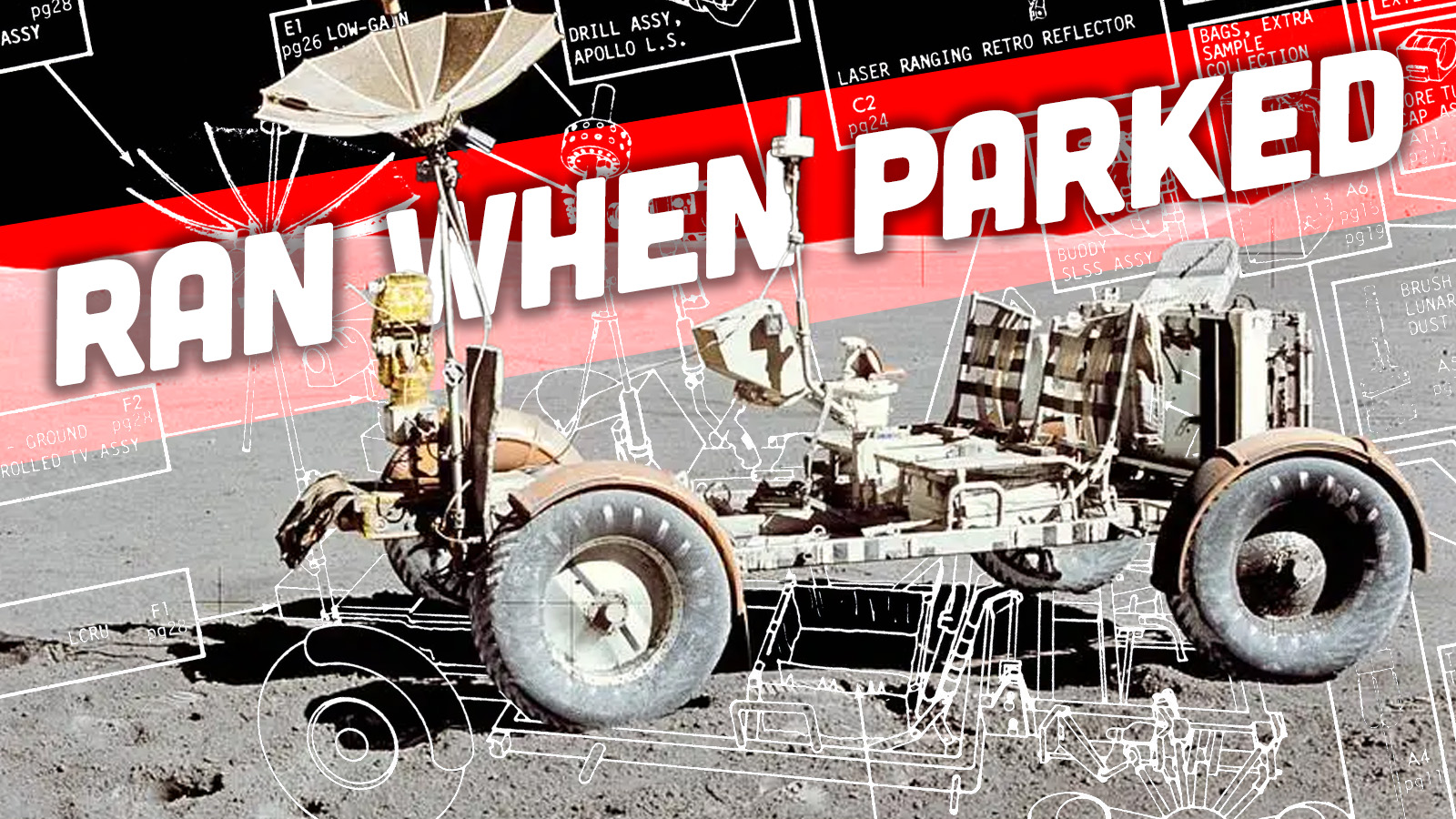
Photo · The Autopian
The number on the screen isn't working.
Not technically — technically it's fine. It tells you the percentage, the estimated range, the kilowatts flowing in or out. Everything you need to know, formatted like a spreadsheet. And yet EV drivers still feel anxiety that ICE drivers never quite did. The number is right there. The dread persists anyway.
Porsche, apparently, has a theory about why.
A writer at The Autopian flagged a Porsche patent this week for electrically-activated racing stripes — stripes that fade and disappear as the battery depletes. Full charge, full stripes. Run it down, watch them go. It sounds like a novelty. It isn't.
The Gauge Cluster Failed Us First
What Porsche's engineers seem to understand — and what the patent makes visible — is that the problem with EV range anxiety isn't information. It's legibility. A percentage is abstract. A stripe vanishing along the flank of a car is not. One is data. The other is a story you can read without thinking about it.
This is what motorsport figured out decades ago. Lap times matter, but what the crowd responds to is the car moving. The number on the timing tower is for engineers. The sound, the smoke, the shape of the thing at speed — that's for everyone else. Porsche has always known which side of that line it lives on. The patent suggests it still does.
There's also something worth sitting with here: the stripes aren't decorative in the new proposal — they're functional, and the function is emotional. That's a design philosophy, not a feature list. It's closer to how a mechanical watch communicates the time than how a phone does. You're not reading it. You're sensing it.
What It Says That This Exists
Patents are not products. Most of them die quietly in a folder somewhere. But patents are also decisions — someone in Stuttgart had to believe this idea was worth the paperwork. Worth protecting. That's the part worth paying attention to.
The EV industry's default answer to range anxiety has been more data, better apps, faster charging, longer range. All of it useful. None of it addressing the fact that humans don't actually relate to percentages the way we relate to things we can see changing. A fuel gauge works not because it's precise — it isn't — but because the needle moving is something your peripheral vision catches without asking your brain to do math.
Porsche is betting that the solution to a digital problem might be an analog one. Not a screen. A stripe.
The Autopian piece frames this as a curiosity, and it is one. But the curiosity is doing real work. It's evidence that at least one legacy automaker is thinking about the EV experience as a sensory problem rather than an engineering one. That's rarer than it should be in an industry that has spent five years arguing about charging networks.
The other thing no one is saying loudly enough: racing stripes as a battery indicator is also just cool. It ties the Taycan — a car that already carries more motorsport DNA than it gets credit for — back to the 917s and 911 RSRs that made those stripes mean something. The charge indicator becomes a livery. The livery becomes a statement.
If it makes production, it won't be for everyone. It will absolutely be for someone.
The best ideas in car design always look slightly insane until they don't.
Keep reading cars.

800 Horsepower, One Ton of Doubt
Lamborghini built the most powerful SUV it's ever made. It's also slower than what it replaced.

£11,990 Draws a Line Under Every Excuse You Had Left
Dacia just made the cheapest new car in Britain electric — and that's not a footnote, it's a verdict.
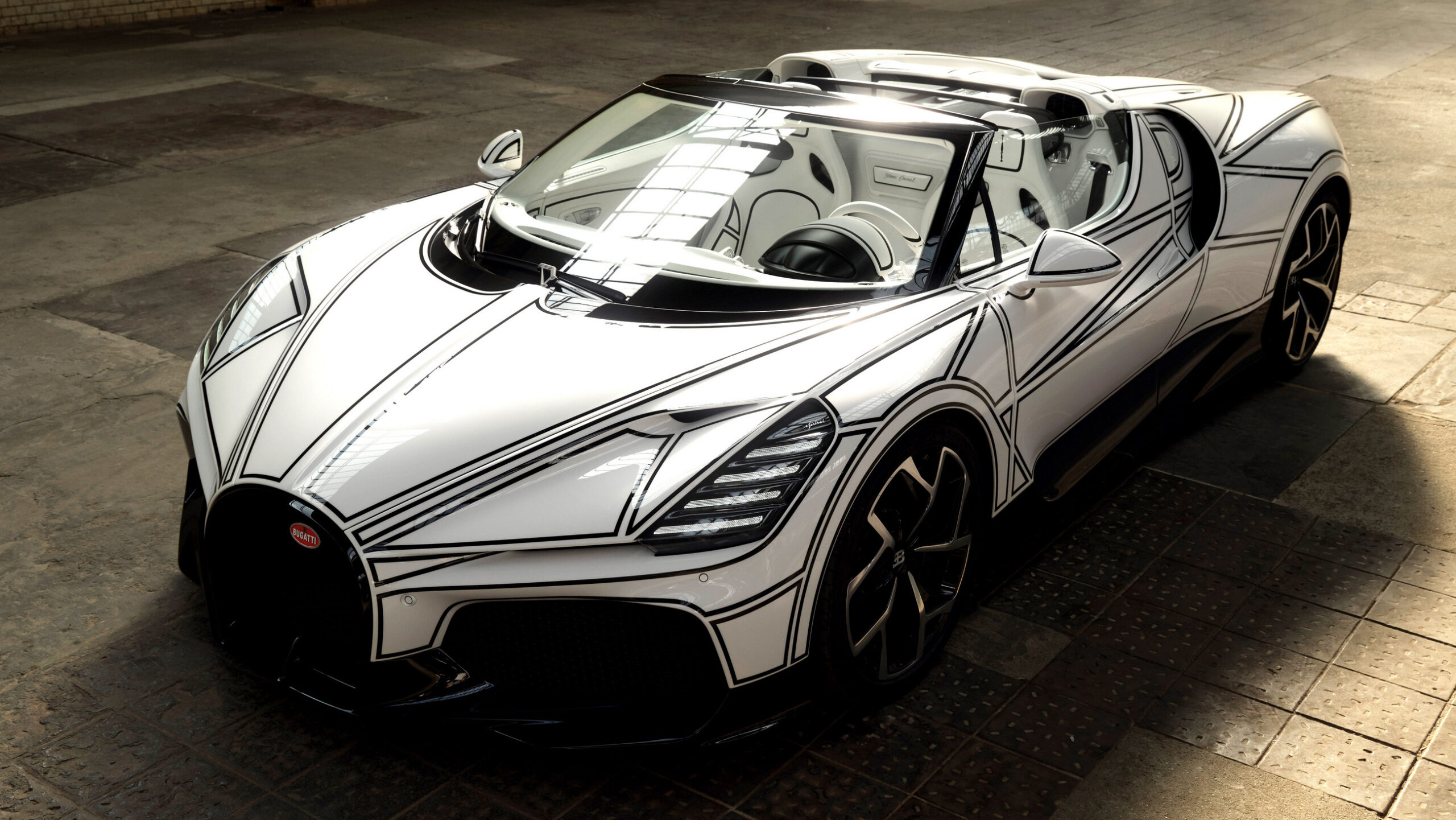
Blanc Éternel Hides Its Speed Behind a Gas Cap
Bugatti built a 261-mph roadster and made sure you'd notice the porcelain first.
From the other desks.

Gold Leaf on a Lacquer Dial, and the Weight of What That Costs
Awake's Frosted Leaf Royal Blue asks a question Vietnamese craft has never quite had to answer at this price.

ESPN Named Him. Then Unnamed Him. Nobody's Explaining the Gap.
A retraction without a reckoning is just a deleted link.

Hide My Email Has Been Showing Your Email
Apple's privacy flagship has a hole in it. They've known for over a year.