Sony and Honda Killed the Car. They Kept the Meeting.
Afeela is gone, but the partnership lives on — rebranded as an AI project, which tells you everything about what this was always for.
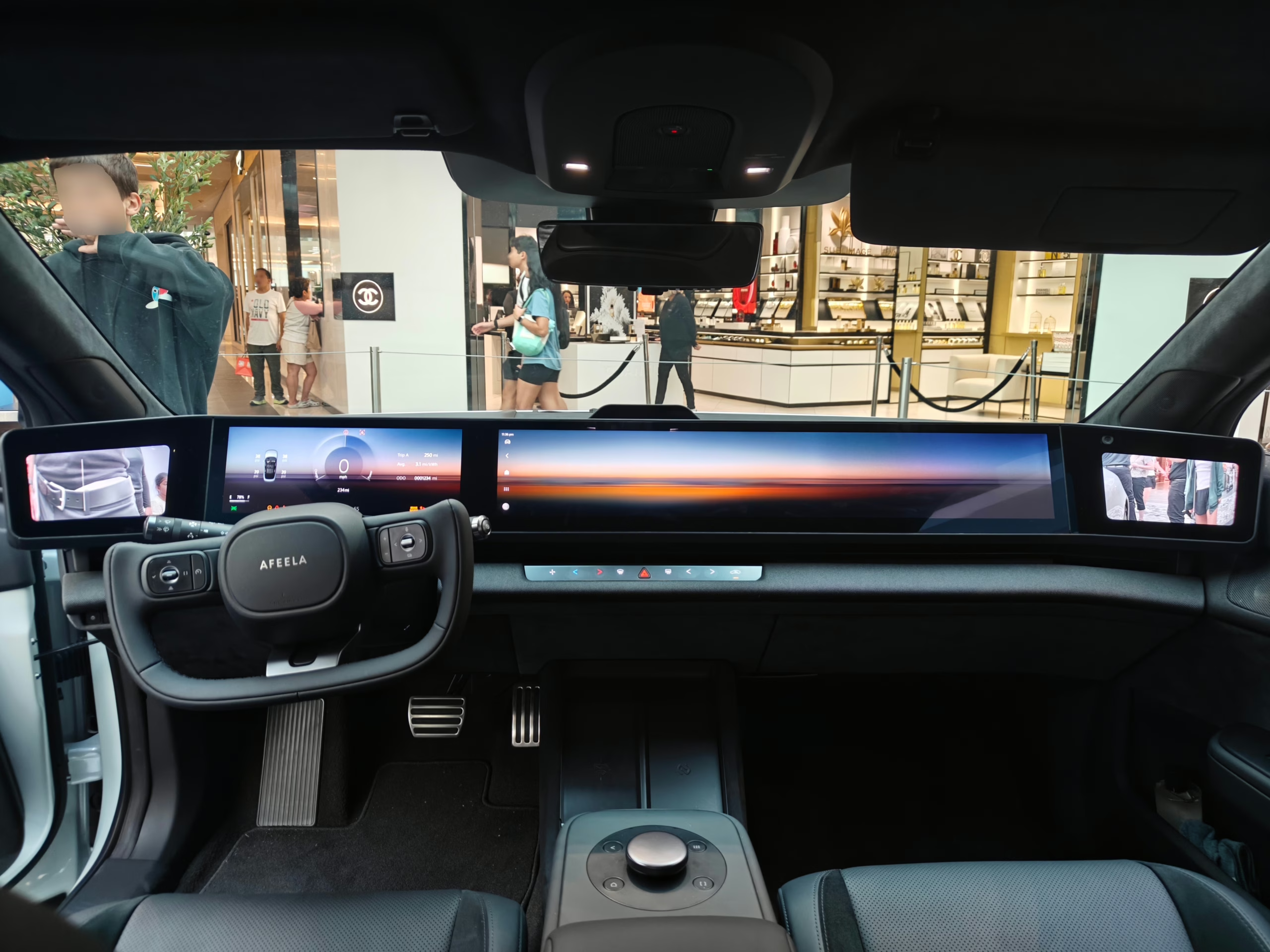
Photo · MotorBiscuit
Here's what actually happened: two enormous companies built a joint venture, named a car, showed it at CES, generated years of coverage, and then quietly dissolved the part that required them to manufacture anything. Sony Honda Mobility — the joint venture formed to produce the Afeela EVs — is done. The cars are gone. But according to reporting from both MotorBiscuit and Jalopnik, the partnership itself is continuing, now redirected toward AI assistants and audio systems.
Read that again slowly. The car was the hard part. The car required factories, supply chains, safety certifications, service networks, and the kind of operational commitment that separates a press release from a product. And that's the part they dropped.
What they kept was the meeting.
The Car Was Always the Alibi
Sony and Honda didn't come together because either of them urgently needed to build an EV. They came together because the EV moment gave each of them a credible reason to want what the other had. Honda had manufacturing infrastructure and automotive credibility. Sony had software, entertainment ecosystems, and consumer electronics pedigree. The Afeela was the story they told the world — and maybe themselves — about why those two things belonged in the same room.
But a car is unforgiving. It has to work at highway speed in January rain. It has to be serviced in Omaha. It has to survive a recall without killing the brand. AI assistants and audio systems don't carry that weight. They ship as software updates. They get better over time. They don't require a dealer network.
Jalopnik's framing is worth sitting with: Sony and Honda are, in their words, still pretending to be automotive partners. That word — pretending — does a lot of work. It implies that the automotive identity was always somewhat performative, a frame around a collaboration that was really about something else. Consumer technology. Entertainment infrastructure. The connected cabin as a product category that doesn't require you to own the vehicle underneath it.
MotorBiscuit reports the pivot toward AI assistants and audio systems as a continuation, an alliance finding new footing after a setback. That's the generous read. The less generous read is that the setback revealed the truth: the car was never the destination. It was the premise.
What Gets Left Behind
There's something genuinely deflating about this, and I don't want to rush past it. The Afeela represented a specific kind of optimism — that the future of the automobile would be written by people who understood software and experience design, not just torque curves and crash ratings. That a company like Sony, which knows how to make people feel something through a screen, might bring that sensibility to the one product most people spend more time inside than any other room in their life.
That bet didn't pay off. Not here, anyway. The EV market is brutal right now, and building cars from scratch with a joint venture structure was always the longest of long games. The math didn't work, or the timeline didn't work, or the appetite for the risk didn't survive contact with the actual risk.
What survives is a software collaboration between a hardware company and an entertainment company — which, honestly, is a fine thing to be. It just isn't a car company.
And somewhere out there, the Afeela concept sits in a design archive, fully rendered, never driven by anyone who paid for it. A beautiful alibi for a partnership that always had a different destination in mind.
Keep reading cars.

800 Horsepower, One Ton of Doubt
Lamborghini built the most powerful SUV it's ever made. It's also slower than what it replaced.

£11,990 Draws a Line Under Every Excuse You Had Left
Dacia just made the cheapest new car in Britain electric — and that's not a footnote, it's a verdict.
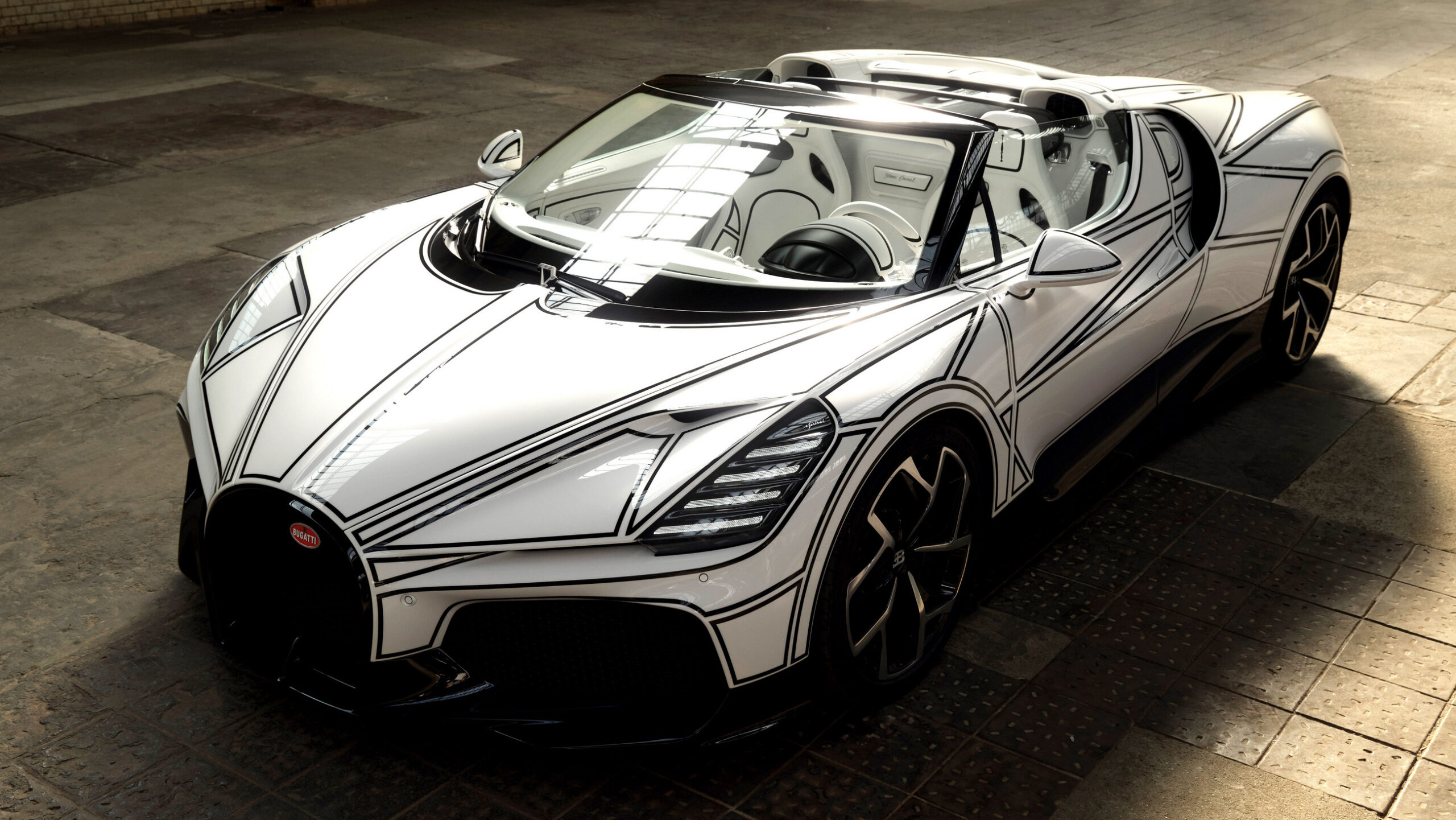
Blanc Éternel Hides Its Speed Behind a Gas Cap
Bugatti built a 261-mph roadster and made sure you'd notice the porcelain first.
From the other desks.

Gold Leaf on a Lacquer Dial, and the Weight of What That Costs
Awake's Frosted Leaf Royal Blue asks a question Vietnamese craft has never quite had to answer at this price.

ESPN Named Him. Then Unnamed Him. Nobody's Explaining the Gap.
A retraction without a reckoning is just a deleted link.

Hide My Email Has Been Showing Your Email
Apple's privacy flagship has a hole in it. They've known for over a year.