The Outback Didn't Just Crash. It Was Already Falling.
A brutal week for the Subaru Outback reveals something the sales numbers alone can't explain.
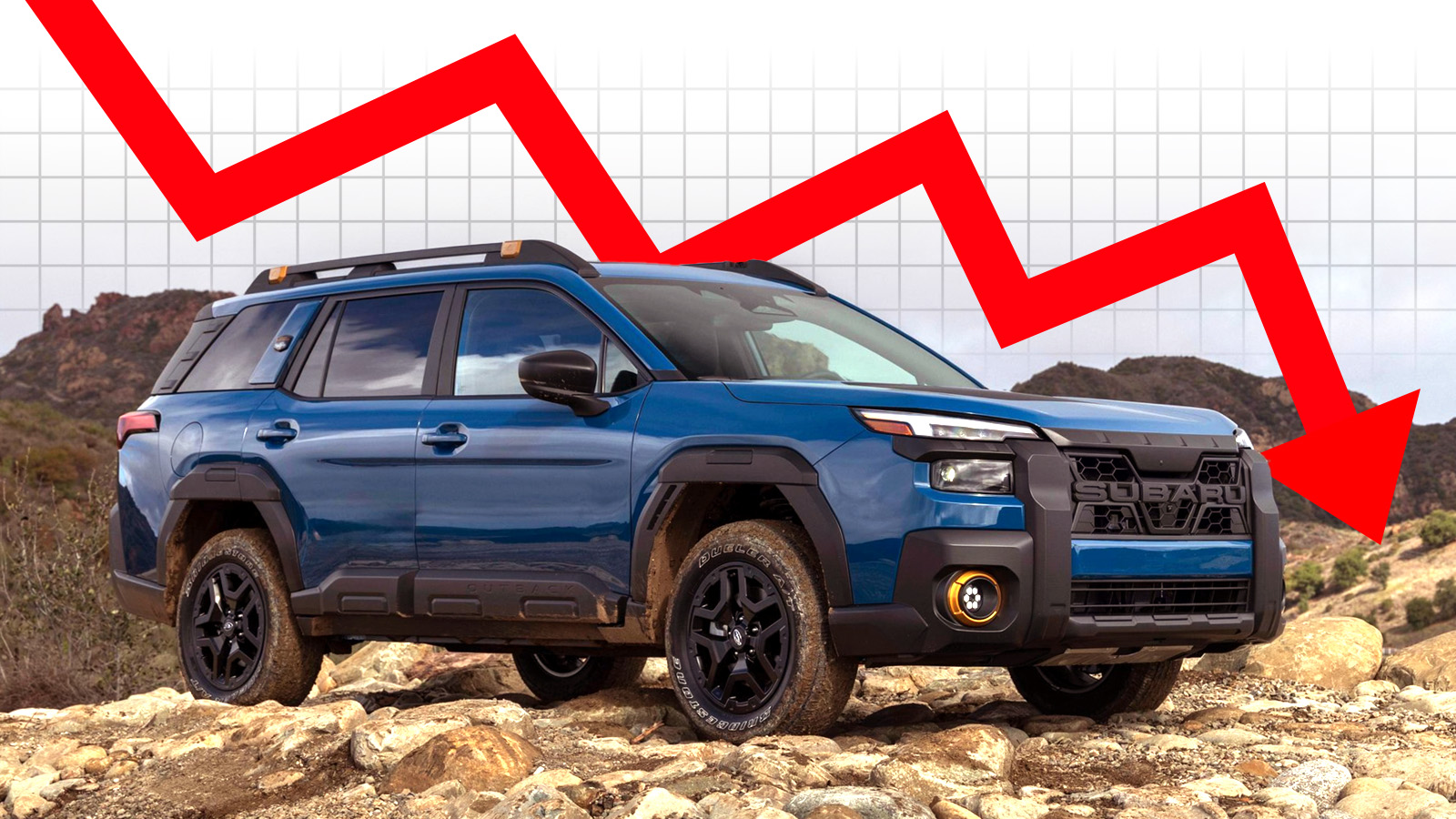
Photo · The Autopian
Two stories about a Subaru Outback landed recently, and neither of them is good. One involves a police cruiser, a black Outback getting flipped onto a parked BMW 330i GT, and three injured people. The other involves sales figures falling off a cliff. Together, they paint a picture of a vehicle that can't seem to catch a break — and, more to the point, a brand that may have engineered its own misfortune before the quarter even closed.
Start with the crash. According to MotorBiscuit, an NYPD patrol car T-boned the Outback during an emergency response, sending it airborne and landing on the BMW beside it. Three people hurt, including two officers. It's the kind of incident that gets shared everywhere — dramatic, visual, unlucky. The Outback didn't cause it. But there it is, front and center, absorbing the impact of someone else's momentum. Hard not to read that as metaphor.
The Design No One Asked For
The Autopian's coverage of the sales decline gets at something more structural. The Outback, historically one of Subaru's strongest performers, made the jump from lifted wagon to something that reads much more like a conventional SUV for the 2026 model year. The people who loved the old Outback — who specifically chose it because it wasn't a conventional SUV — noticed. And they said so, loudly.
The Autopian notes the redesign drew real anger. That's not a small thing. Outback buyers weren't casual shoppers who wandered in off the street. They were the kind of people who bought the same car twice, who recommended it to their siblings, who understood the specific value proposition of a wagon that could handle a fire road without pretending to be a truck. That loyalty is rare. It's also fragile.
When you redesign toward a broader audience and away from your core, you're making a bet. The bet is that the new people you attract outnumber the old people you lose. Subaru appears to have lost that bet, at least for now.
What a Brand Owes Its People
The Autopian's framing is careful — the sales drop isn't entirely about the redesign. There are other forces at work. But the redesign is clearly part of it, and that's the part worth sitting with. Because it speaks to a pattern that shows up across the industry: a brand earns a devoted following by being specific, then gets nervous about being too specific, then smooths the edges to chase volume, and then wonders why the people who loved it most are shopping elsewhere.
Subaru built something genuinely different with the Outback. Not flashy. Not status-signaling. Useful in a way that felt almost principled. The kind of car that said something quiet about the person driving it. That's a hard thing to manufacture, and an easy thing to accidentally throw away.
One collision you can survive. Losing the people who believed in you is harder to walk back.
Keep reading cars.

800 Horsepower, One Ton of Doubt
Lamborghini built the most powerful SUV it's ever made. It's also slower than what it replaced.

£11,990 Draws a Line Under Every Excuse You Had Left
Dacia just made the cheapest new car in Britain electric — and that's not a footnote, it's a verdict.
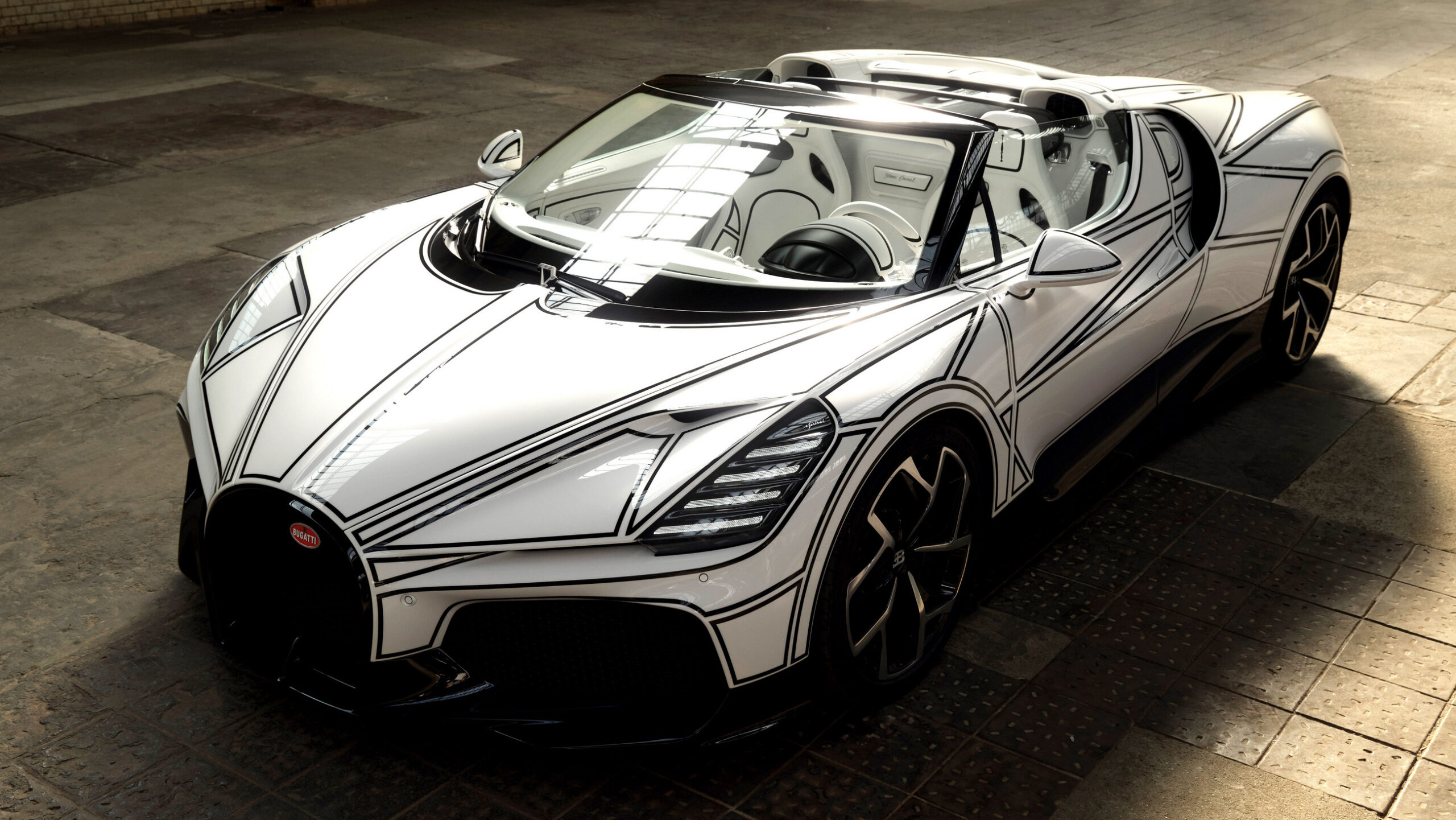
Blanc Éternel Hides Its Speed Behind a Gas Cap
Bugatti built a 261-mph roadster and made sure you'd notice the porcelain first.
From the other desks.

Gold Leaf on a Lacquer Dial, and the Weight of What That Costs
Awake's Frosted Leaf Royal Blue asks a question Vietnamese craft has never quite had to answer at this price.

ESPN Named Him. Then Unnamed Him. Nobody's Explaining the Gap.
A retraction without a reckoning is just a deleted link.

Hide My Email Has Been Showing Your Email
Apple's privacy flagship has a hole in it. They've known for over a year.