The Button Is Back, and VW Is Counting on You Noticing
The ID.3 Neo is a facelift, yes — but the real story is an industry admitting it overcorrected.
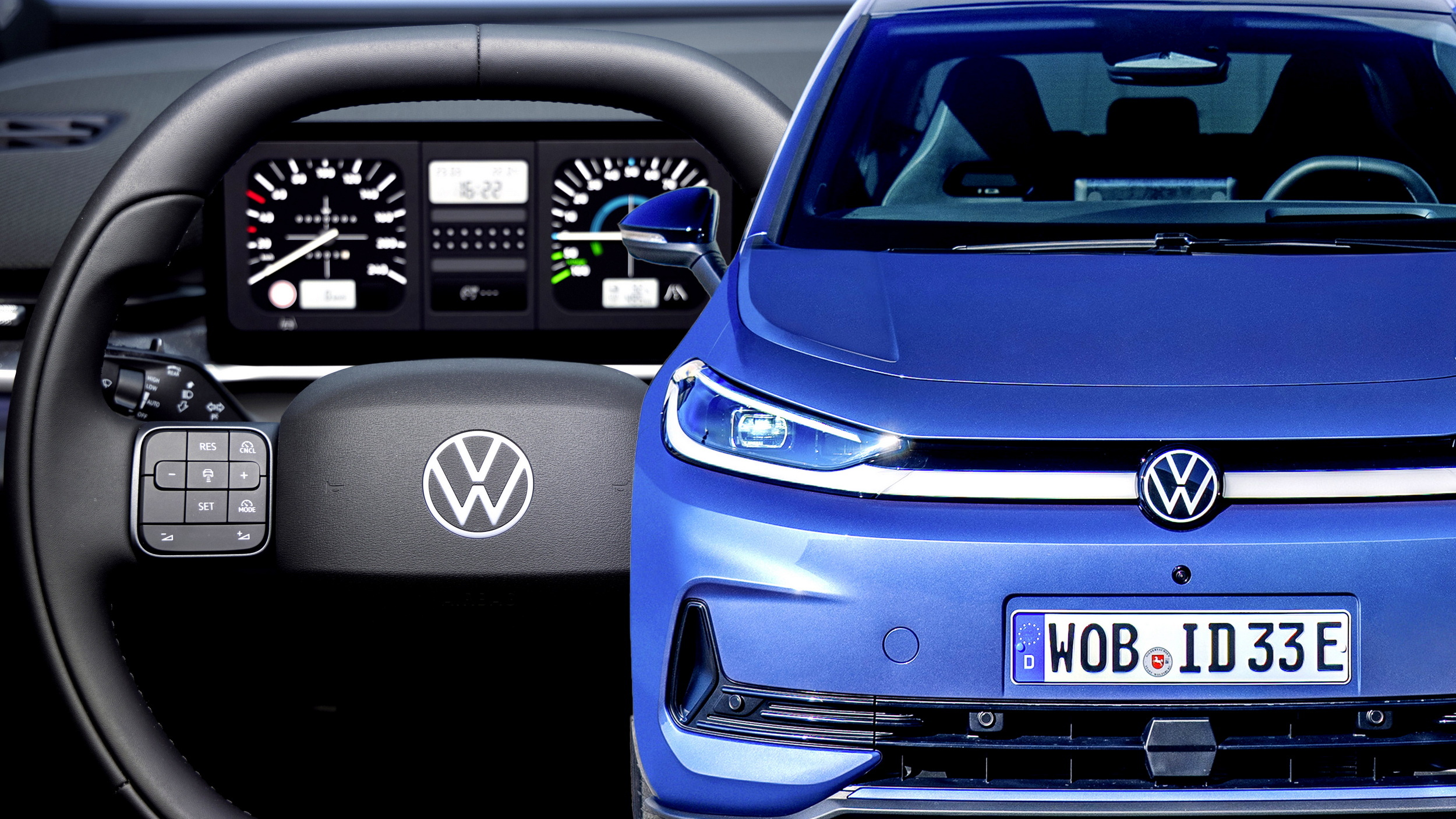
Photo · Carscoops
The Correction Nobody Wants to Call a Mistake
Six years. That's how long Volkswagen spent evangelizing the touchscreen future — stripping knobs, burying functions in menus, betting that drivers would adapt. The ID.3 was the purest expression of that bet: a bespoke electric hatchback built from scratch to prove that the old tactile world was over.
The ID.3 Neo exists because that bet lost.
Not dramatically. Not with a press release that said we were wrong. But the evidence is in the hardware: physical buttons returning to the interior, a proper volume knob, dedicated steering-wheel controls, actual switches for the rear windows. According to Autocar, the new interior layout — physical controls and all — will be shared with the upcoming ID Polo and ID Cross siblings. That's not a one-car fix. That's a platform decision. That's policy.
The touch slider that drew particular criticism in the original car is gone, replaced by buttons, per Motor1. InsideEVs called the result a car that "looks a lot more conventional" — and meant it as a compliment. Carscoops framed the whole thing plainly: VW spent years removing knobs from its cars, and the ID.3 Neo puts them back.
When four different outlets covering the same reveal all lead with the buttons, you're not covering a facelift. You're covering a reckoning.
What the Range Number Actually Signals
There's more to the Neo than controls. The batteries are bigger, with Carscoops reporting up to 391 miles of range. The exterior styling has been sharpened. Autocar notes the car has been positioned as embodying a "true VW spirit" — a phrase that, intentionally or not, implies the original didn't quite get there.
VW is also quietly restructuring how it names its EVs. The ID.4 is set to become the ID Tiguan when it receives its major update. But the ID.3 keeps its number, because — per Autocar — the brand equity is real enough to protect. That's a small detail that says something larger: the ID.3, for all its interface frustrations, landed. People know it. The name stuck. Now VW just needs the car to match what the name promises.
The timing matters too. Autocar flags that the electric Golf is coming. The ID.3 Neo arrives ahead of it, freshened and repositioned, as if to hold the line before the more familiar nameplate shows up and redraws the whole conversation.
What I keep coming back to is how the industry talks about touchscreens versus how people actually use cars. The tech argument was always coherent on paper: fewer physical parts, cleaner surfaces, software-updatable everything. But a clean surface and a usable surface are not the same thing. Reaching for a knob while watching the road isn't a habit that needs to be broken. It's a reflex that exists for a reason.
VW apparently agrees now. The question is whether they get credit for listening, or whether buyers remember what they had to live through first.
Sometimes the most radical thing a brand can do is admit the obvious — and occasionally, the market rewards honesty faster than it forgives stubbornness.
Keep reading cars.

800 Horsepower, One Ton of Doubt
Lamborghini built the most powerful SUV it's ever made. It's also slower than what it replaced.

£11,990 Draws a Line Under Every Excuse You Had Left
Dacia just made the cheapest new car in Britain electric — and that's not a footnote, it's a verdict.
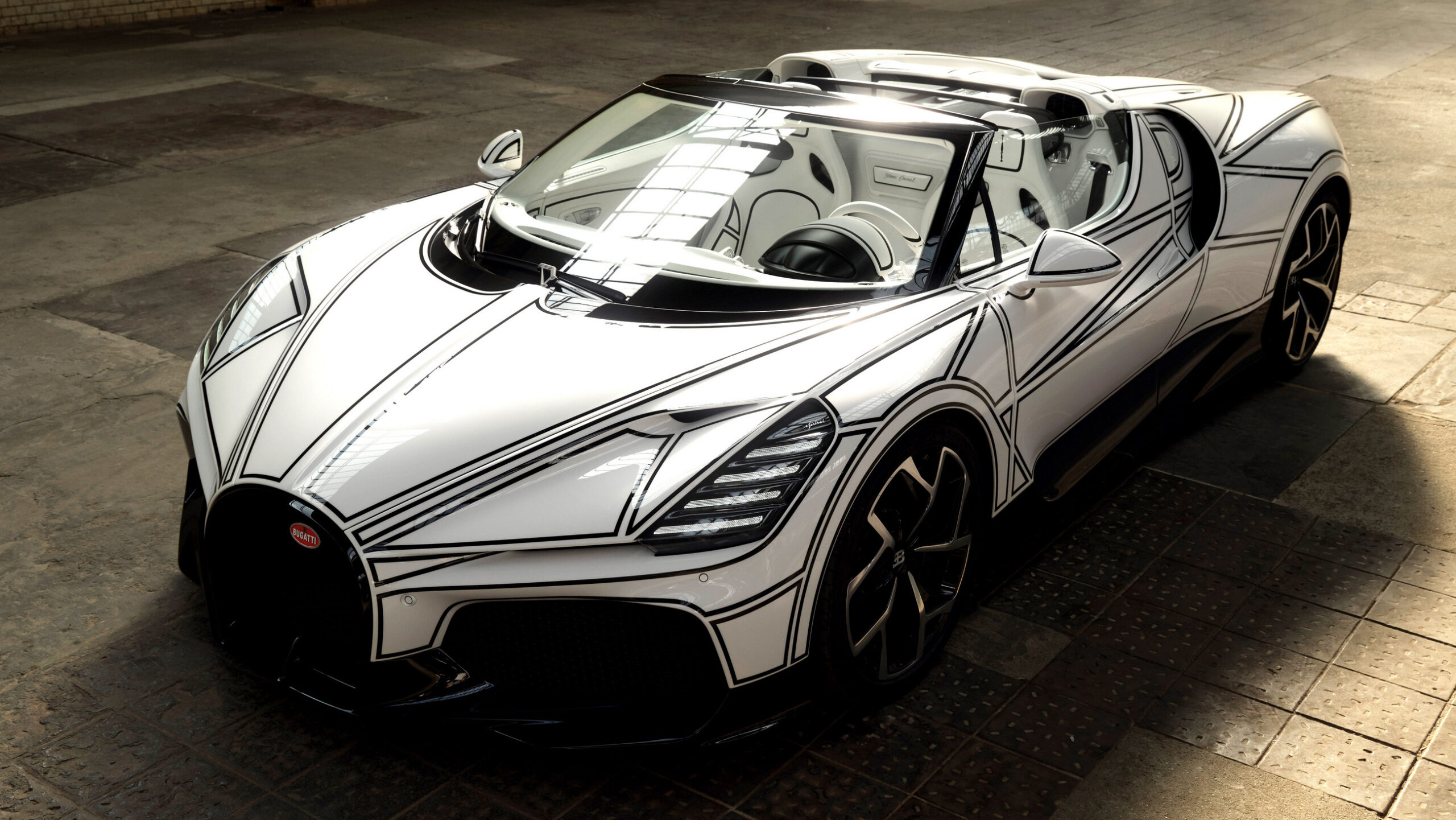
Blanc Éternel Hides Its Speed Behind a Gas Cap
Bugatti built a 261-mph roadster and made sure you'd notice the porcelain first.
From the other desks.

Gold Leaf on a Lacquer Dial, and the Weight of What That Costs
Awake's Frosted Leaf Royal Blue asks a question Vietnamese craft has never quite had to answer at this price.

ESPN Named Him. Then Unnamed Him. Nobody's Explaining the Gap.
A retraction without a reckoning is just a deleted link.

Hide My Email Has Been Showing Your Email
Apple's privacy flagship has a hole in it. They've known for over a year.