The Last Roar Has a Charging Port
BMW's M5 Touring PHEV isn't a compromise — it's a eulogy written in 708 horsepower.
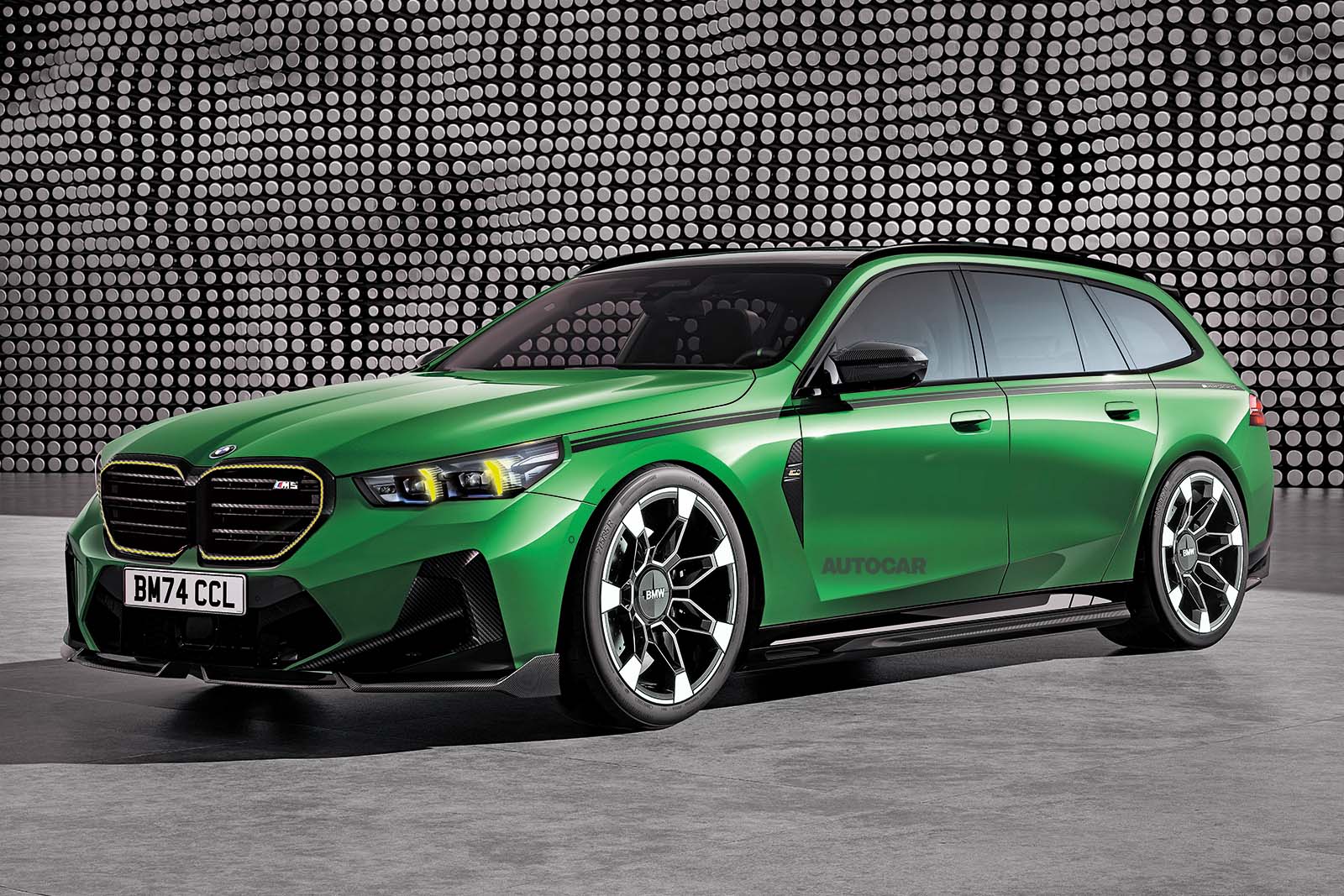
Photo · Autocar RSS Feed
Someone at Autocar has done the math, and the numbers are uncomfortable if you love what M used to mean. Seven hundred and eight horsepower. Forty-three miles of electric range. A body that's grown 36mm longer and 70mm wider than the car it replaces. The new M5 Touring is, by every measurable standard, more than the thing it follows. And yet the piece lands with the quiet weight of a closing argument.
The Division That Reads the Room
What's interesting isn't the spec sheet. It's the context Autocar is willing to put around it. This is being described, with some care, as one of the final combustion-engined cars from BMW's M division. Not the last — M hasn't announced an end date — but one of the final. That's a specific kind of language. It's the language of transition dressed up as celebration.
The reporting makes clear what's coming: a pure-electric M sports saloon based on the next-generation 3 Series, arriving in 2026, with an all-EV lineup anticipated to follow as BMW builds out its Neue Klasse electric platform. The M5 Touring PHEV, then, isn't just a new car. It's the bridge. And bridges, by definition, mean you're leaving something behind.
There's something almost generous about the way BMW has engineered this particular goodbye. Plug-in hybrid power means the V8 doesn't have to do everything alone anymore — it gets help, it gets cover, it gets to sound like itself without the full moral weight of the moment pressing down on it. Forty-three miles of electric range is enough to run school pickups in silence, enough to make a CFO feel responsible, enough to let the person who actually wants to press the throttle pretend, for a moment, that none of this is happening.
What 708bhp Is Really Saying
The number itself is a statement of intent. You don't arrive at 708 horsepower by accident. You arrive there because you want to make sure that when people remember this era, they remember it as the era when M still meant something physical — something that pushed you back in your seat and made the road feel personal.
The Touring body is its own kind of argument. A wagon with that output, that footprint, that charging port tucked somewhere in the bodywork — it's M division saying: we know who you are. You have children, or dogs, or both. You need the boot space. You still want to feel something on the way home from the supermarket. We see you. Here is your car.
What Autocar has published is, on its surface, a launch preview. But read it as a cultural document and it's something else — an acknowledgment that the performance arms of legacy manufacturers are in the business of managed endings now. The aggression is real. The power is real. The 43-mile range is also real, and it points in only one direction.
The V8 era isn't over yet. But it's making its peace.
Keep reading cars.

800 Horsepower, One Ton of Doubt
Lamborghini built the most powerful SUV it's ever made. It's also slower than what it replaced.

£11,990 Draws a Line Under Every Excuse You Had Left
Dacia just made the cheapest new car in Britain electric — and that's not a footnote, it's a verdict.
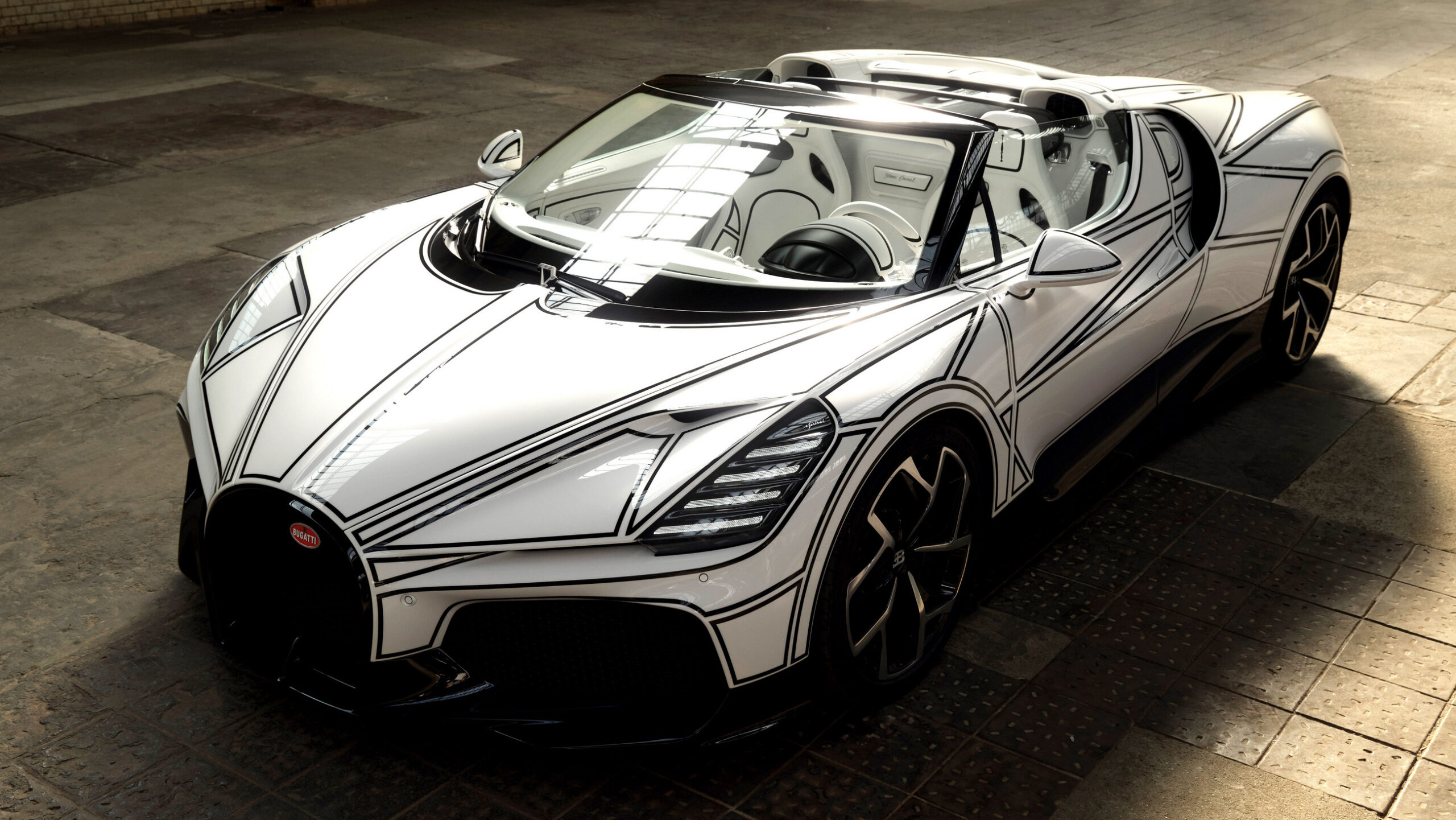
Blanc Éternel Hides Its Speed Behind a Gas Cap
Bugatti built a 261-mph roadster and made sure you'd notice the porcelain first.
From the other desks.

Gold Leaf on a Lacquer Dial, and the Weight of What That Costs
Awake's Frosted Leaf Royal Blue asks a question Vietnamese craft has never quite had to answer at this price.

ESPN Named Him. Then Unnamed Him. Nobody's Explaining the Gap.
A retraction without a reckoning is just a deleted link.

Hide My Email Has Been Showing Your Email
Apple's privacy flagship has a hole in it. They've known for over a year.