The Price Was Always the Lie
EVs just undercut gas cars in the UK — and the real story isn't about batteries.

Photo · Latest Content - Autoweek
Here's what actually happened: electric vehicles in the UK are now cheaper to buy upfront than petrol cars. Not cheaper to run — they've been winning that argument for a while — but cheaper at the point of sale. According to data from Autotrader, the UK's largest auto-buying platform, the sticker price has flipped.
The industry will tell you this is progress. I'd call it a confession.
The Tariff Line Is the Tell
The reason this is happening in the UK and not in most other markets comes down to one thing: Chinese EVs are available there. As Electrek noted in its coverage, low-cost Chinese electric vehicles are either unavailable or subject to heavy tariffs in much of the rest of the world. The UK, without those walls up, is seeing what the market actually does when competition is allowed to function.
What it does is drop prices. Fast.
For years, Western automakers and their defenders argued that EVs were expensive because batteries were expensive, because the technology was new, because scale hadn't arrived yet. All of that was partially true. But it was also a very comfortable explanation for margins that nobody was in a hurry to compress. When you control the supply and the narrative, you can afford to be patient about affordability.
Chinese competition ended that patience. Not through superior engineering mystique or decades of brand equity — through price. The blunt instrument. The one that actually works.
What the Flip Really Means
The upfront cost crossing over matters because it was always the psychological wall. Running costs, fuel savings, lower maintenance — EV advocates have been citing those numbers for years. Consumers heard them and still hesitated, because the number on the window sticker was the number that felt real. That's the number you hand over. That's the number that makes your stomach drop or doesn't.
Now that number has moved. And it moved because of pressure from outside the traditional market, not because of generosity from within it.
This is the part worth sitting with. If Chinese competition can shift UK sticker prices below petrol equivalents, then the previous pricing wasn't purely a function of cost. It was a function of what the market would bear. Consumers in Europe and North America are still bearing it — because their governments decided, through tariffs, that they should. Whether that's industrial policy or consumer betrayal probably depends on which side of the factory gate you're standing on.
I'm not making an argument for or against trade policy here. That's a longer, messier conversation. But I am saying: the UK data is evidence. It's a controlled experiment running in real time, and the result is that EVs don't have to cost what they've been costing.
The machine was always capable of being affordable. Someone just needed a reason to let it be.
Keep reading cars.

800 Horsepower, One Ton of Doubt
Lamborghini built the most powerful SUV it's ever made. It's also slower than what it replaced.

£11,990 Draws a Line Under Every Excuse You Had Left
Dacia just made the cheapest new car in Britain electric — and that's not a footnote, it's a verdict.
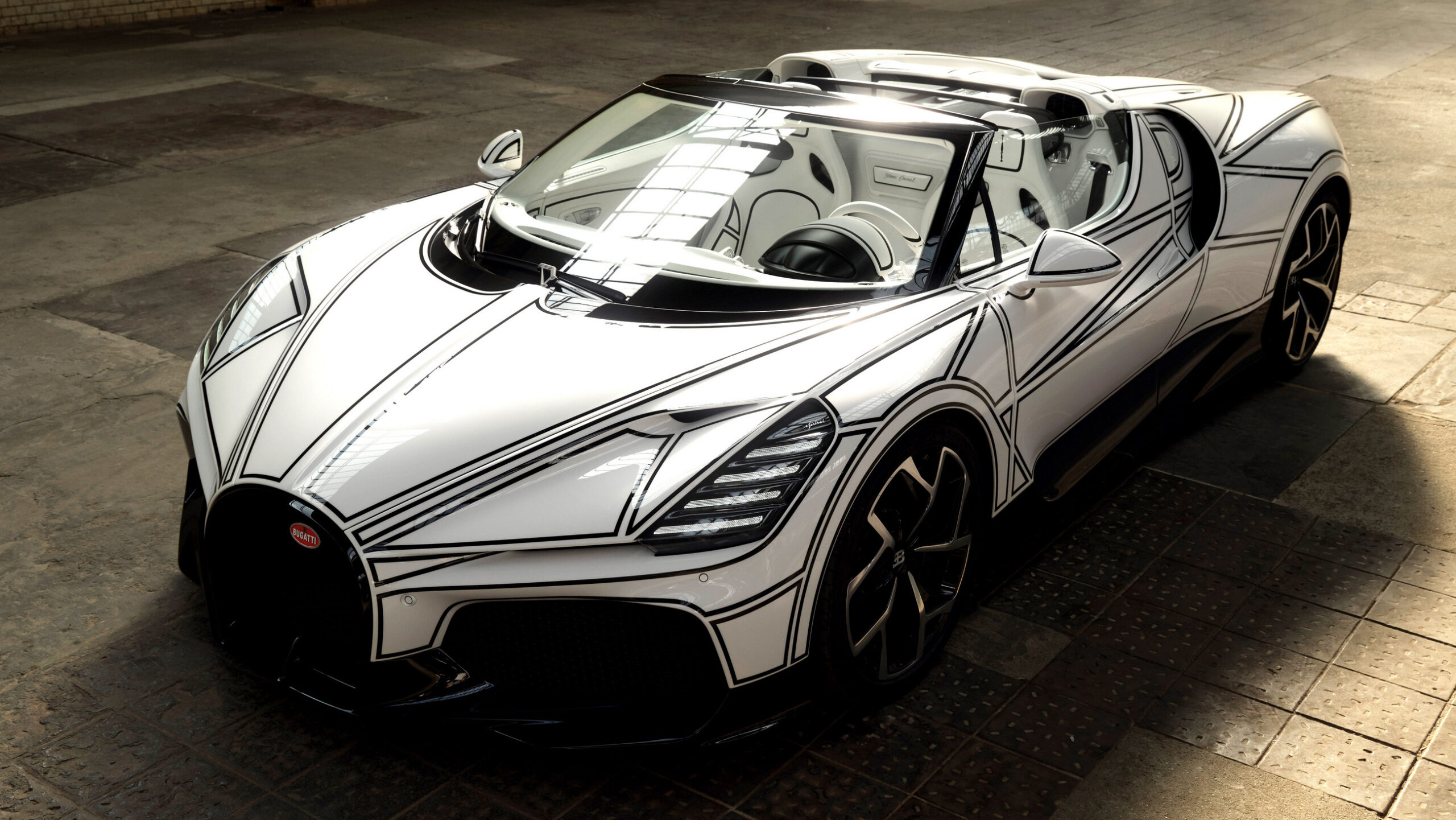
Blanc Éternel Hides Its Speed Behind a Gas Cap
Bugatti built a 261-mph roadster and made sure you'd notice the porcelain first.
From the other desks.

Gold Leaf on a Lacquer Dial, and the Weight of What That Costs
Awake's Frosted Leaf Royal Blue asks a question Vietnamese craft has never quite had to answer at this price.

ESPN Named Him. Then Unnamed Him. Nobody's Explaining the Gap.
A retraction without a reckoning is just a deleted link.

Hide My Email Has Been Showing Your Email
Apple's privacy flagship has a hole in it. They've known for over a year.